

Wataru Chino spent more than a decade at Honda designing motor control systems and autonomous driving tech. But when he left to launch his own venture in 2021, the navigation challenge he set out to solve wasn't for cars. It was for people.
Ashirase, the Tokyo-based company Chino founded, builds haptic navigation devices for blind and low-vision users. The premise is deceptively simple: attach lightweight sensors to your shoes, and let vibrations guide you turn by turn—without tying up your hands or drowning out the sounds of traffic, voices, and other crucial environmental cues. Both feet buzz when you're pointed the right way. A pulse on your right foot? Turn right. Heel vibrations mean stop or reverse.
On July 29, 2025, Ashirase closed the first tranche of its Series A round, led by SBI Investment, with backing from MIRAIDOOR and returning investor Honda Motor. The company disclosed cumulative funding of ¥715 million—roughly $4.6 to $5.0 million at mid-2025 exchange rates—and said a second close would follow in the fall. As of February 2026, Ashirase reported selling more than 750 units in Japan. Whether that qualifies as traction or a toe-hold depends on whom you ask, but in a nascent category with few direct competitors, the company appears to be carving out space.
From Automaker Incubator to Independent Venture
Ashirase emerged from Honda's IGNITION program, an internal incubator designed to spin out new businesses. It was the automaker's first such startup, founded in April 2021 and announced in June with Chino at the helm. The connection has proven durable: Honda participated in the company's ¥50 million seed round two months after inception, returned for a ¥300 million pre-Series A in October 2022 (alongside ASICS Ventures, Real Tech Fund, QB Capital, and others), and backed the latest raise as well.
The technology itself targets a global population the World Health Organization estimated in 2020 at 43.3 million blind individuals and 295 million with moderate to severe vision impairment. For many, independent navigation means relying on white canes or guide dogs—tools that require constant hand or cognitive engagement—or smartphone apps that deliver turn-by-turn audio directions, which can mask car horns, crosswalk signals, or approaching bicycles.
Ashirase's device—a shoe-mounted sensor pair weighing about 55 grams each—combines GNSS positioning, motion sensors, and smartphone-based route planning. The companion app offers voice input and screen reader compatibility. Users describe the experience as intuitive once learned, though as with any assistive technology, there's a learning curve.
Expanding Beyond Consumer Sales
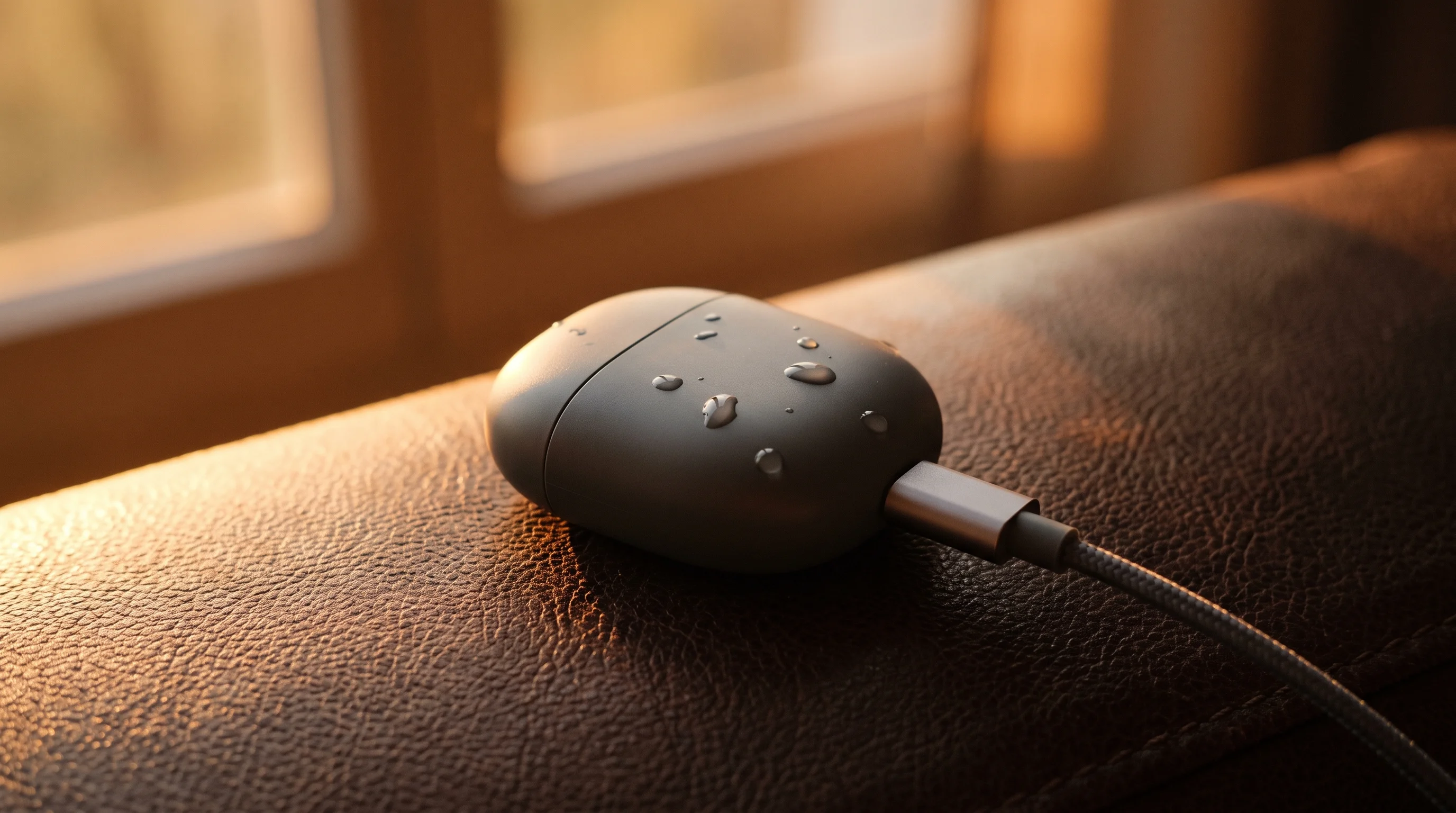
The current model, Ashirase 2, entered mass production in October 2024 and retails for ¥54,000, plus either a ¥550 monthly or ¥6,000 annual subscription for the app. Each unit carries an IPX5 waterproof rating and promises up to 10 hours of runtime on a two-hour USB-C charge. It's a consumer product, yes, but the company has lately been testing waters beyond individual sales.
On February 12, 2026, Ashirase partnered with JR East and LUMINE for a pilot at Tokyo's Takanawa Gateway City, a sprawling mixed-use development. The trial integrated outdoor GPS navigation with indoor beacon and visual positioning systems, guiding users from train platforms to specific retail storefronts. It's the kind of proof-of-concept that could eventually open enterprise or municipal contracts—assuming the technology scales.
Ashirase has also collaborated with Ericsson on haptics-related IP and showcased its system at ASICS House during the 2024 Paris Olympics, lending the startup visibility in assistive tech circles. Recognition has followed: a Good Design Gold Award in 2022, a CES 2023 Innovation Award, and distribution through partners like the Japan Braille Library. The company said it had served over 500 users in Japan as of 2025, a figure that climbed to the 750-unit sales milestone shortly after.
A Sparse but Growing Competitive Landscape
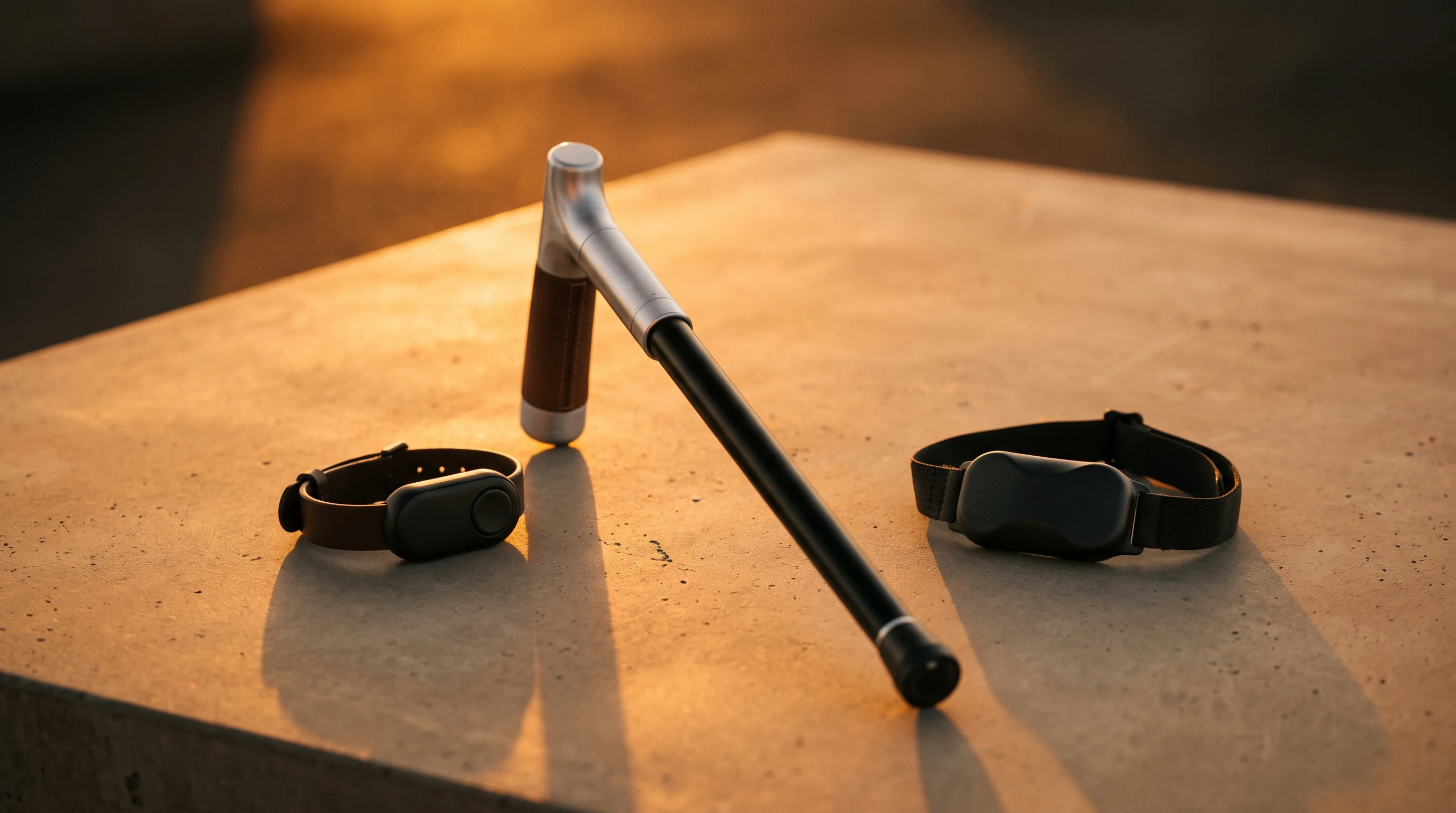
Direct competitors remain few, though adjacent offerings are multiplying. WeWALK, which makes an AI-powered smart cane, raised $900,000 in November 2025. Biped.ai offers a wearable collision-avoidance system. The Sunu Band, a sonar wristband, occupies a related niche. Academic research into haptic navigation across various body placements continues to grow, but foot-based systems like Ashirase's represent a narrower slice of that work.
Ashirase has earmarked its new capital for obtaining European regulatory certifications and launching EU sales within fiscal 2025, alongside headcount expansion. The company has also outlined plans for higher-precision indoor and outdoor positioning, expanded map data, and generative AI-assisted interface improvements—though specifics remain vague, and timelines are always subject to the usual startup uncertainties.
As of mid-2026, Ashirase hasn't publicly confirmed whether it completed the planned fall 2025 second close, disclosed total Series A size, employee count, or valuation. The stated goal of securing European certifications within fiscal 2025 also lacks public verification at this point.
One Vibration at a Time
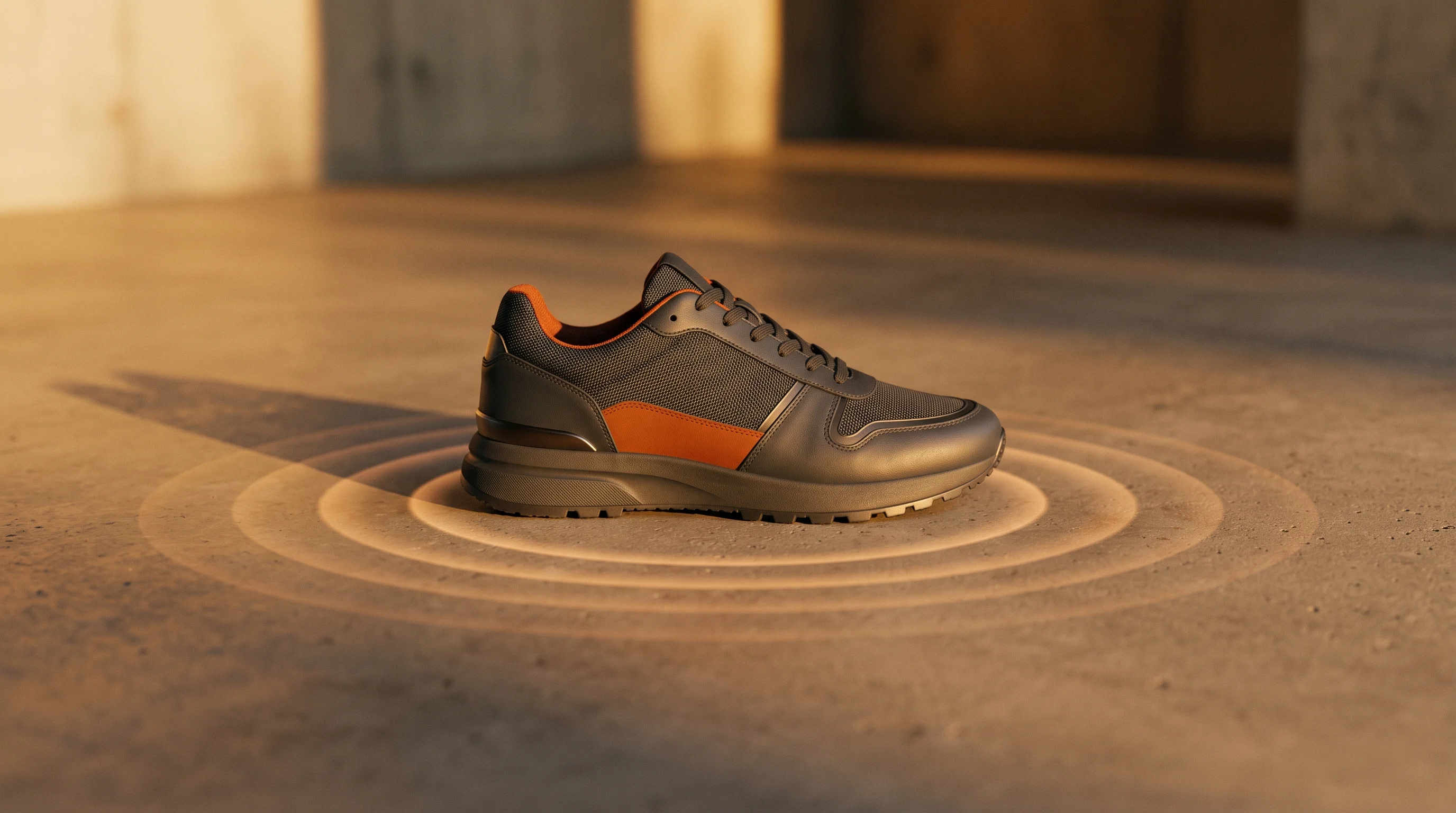
Perhaps the most interesting question isn't whether Ashirase's technology works—early users and pilot programs suggest it does, at least for certain use cases—but whether the market for foot-based haptic navigation is large enough to sustain a venture-backed company. Assistive tech has historically been a graveyard for well-intentioned startups that couldn't achieve the unit economics or distribution scale needed to survive.
For now, Ashirase is betting that freeing users' hands and ears matters enough to overcome the inherent awkwardness of strapping sensors to your shoes. It's a bet Chino and his backers seem willing to make, one vibration pattern at a time.


