

Ashley Pilipiszyn has an unusual pitch for the semiconductor industry: stop building $15 billion to $20 billion factories on Earth when you can hitch a ride to space for a fraction of the cost.
Her Washington, D.C. startup, Besxar, announced a $9.35 million seed round on Monday led by Dauntless Ventures and Overture VC, with 645 Ventures, Singh Capital Partners, Koru Capital and Plum Alley Ventures joining in. The company has now raised approximately $14 million since its 2023 founding, according to TechCrunch. What it's building are "Fabships," compact manufacturing pods that tuck inside SpaceX rockets to produce ultra-pure semiconductor substrates in the natural vacuum of space.
It sounds like science fiction. Perhaps more surprisingly, it appears to be working.
On July 5, two of Besxar's Clipper-class Fabships rode along on a Falcon 9 booster during a Starlink mission. For about five minutes above 100 kilometers, semiconductor wafers sat exposed to the vacuum of space during the rocket's ballistic arc before recovery. The samples came back with fewer particulates than control samples processed on Earth, Payload Space reported, though one canister did experience a data recording glitch that's still under review. Not perfect, but promising enough to keep going.
The economics behind Pilipiszyn's argument are hard to ignore. State-of-the-art chip fabrication plants now cost between $15 billion and $20 billion and take three years to construct, according to a May report from SEMI, the global semiconductor industry association. Even with the U.S. CHIPS Act pumping billions into domestic production, including up to $6.6 billion in direct funding and $5 billion in loans for TSMC's Arizona facility finalized in November 2024, the industry still faces supply chain vulnerabilities and astronomical capital requirements.
Besxar's approach sidesteps all of that infrastructure. Space provides an ultra-high vacuum naturally, orders of magnitude cleaner than even the most advanced terrestrial cleanrooms. That environment proves ideal for growing the crystalline substrates used in advanced semiconductors. The company is targeting AI data center processors, quantum computing components, and defense-grade chips, based on its website and recent job postings.
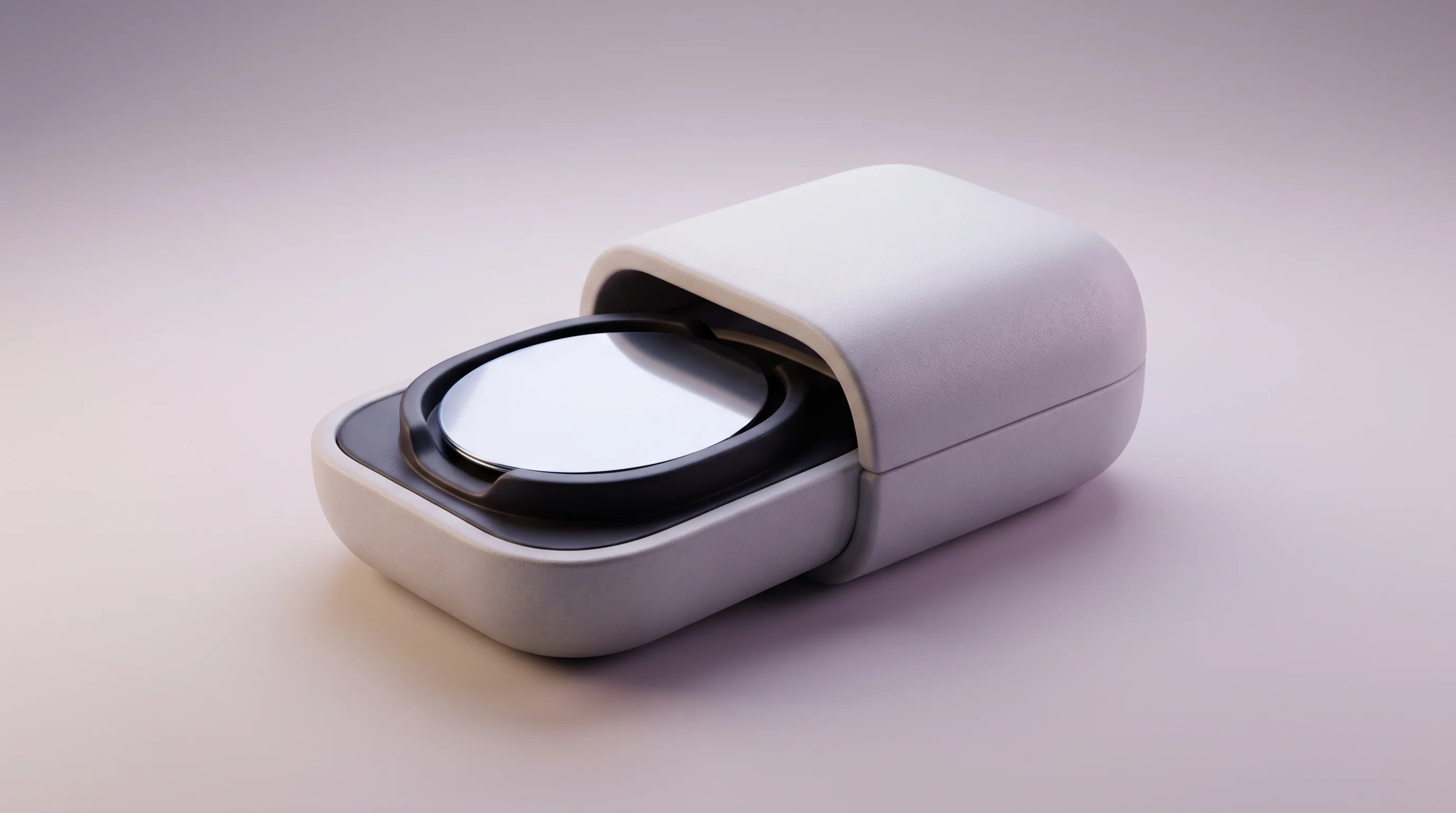
The Fabships themselves are engineered canisters that allow vacuum ingress while blocking atomic oxygen and other contaminants. They have to protect wafers through the violence of launch, the brief window of microgravity, and the brutal deceleration when the booster reenters. "If we can't keep it clean and protect the wafers, nothing else matters," Pilipiszyn told Payload.
Besxar inked a 12-mission contract with SpaceX in October 2025, which the company describes as the first reusable payload program on a SpaceX rocket. The initial suborbital tests rely on Falcon 9 first-stage boosters, which spend roughly five minutes above the atmosphere before landing. Eventually, Besxar intends to graduate to longer manufacturing runs in orbit and bulk material returns via Starship, according to Payload.
The July demonstration carried wafers from the University of Virginia and the University of Texas at Austin alongside Besxar's proprietary samples. A second mission has been planned for later in the year, though specific timing remains unclear. The startup now employs between 11 and 50 people, according to its LinkedIn profile.
Pilipiszyn comes to the venture with an eclectic background. Before founding Besxar, she served as Technical Director to OpenAI's CTO and worked at SLAC National Accelerator Laboratory, according to Payload and her SXSW London speaker biography. "We're at a time where it's actually more cost-effective to go where the physics already works," she told TechCrunch in an earlier interview.
That framing positions Besxar within a broader shift in how the industry thinks about manufacturing in extreme environments. The company is far from alone in this pursuit. Varda Space Industries operates free-flying return capsules for pharmaceutical and materials production and has flown multiple missions. UK-based Space Forge launched ForgeStar-1 and is developing silicon carbide and gallium nitride substrates with reusable return systems, according to a British government announcement in early 2026.
United Semiconductors secured a NASA InSPA Phase 2 contract to scale crystal production aboard the International Space Station in partnership with Varda, an EIN Presswire release stated. Flawless Photonics manufactures ZBLAN optical fiber on the ISS. Each player has chosen a different architecture: station-based processing, free-flying capsules, or Besxar's booster-hitchhiking model.
The Washington Business Journal reported in September that Besxar is already outgrowing its Navy Yard facility. Recent job postings include roles for head of mechanical design, director of product and mission engineering, and senior materials specialists, according to the 645 Ventures job board. Pilipiszyn's immediate plan involves running the remaining 10 SpaceX missions under contract to refine contamination barriers and nail down process parameters before attempting commercial-scale production.

Whether space-grown semiconductors can truly compete with terrestrial fabs at scale remains an open question. But with chip demand soaring and fab costs spiraling upward, the five minutes a rocket spends above the atmosphere might just be long enough to matter.


