

Oli Rayner has cystic fibrosis. Now he's betting he can help fix it.
The Oxford-based biotech he leads, Gramics Bio, opened its seed fundraising round on May 15, announcing the move via LinkedIn—a platform choice that itself signals the scrappiness of early-stage ventures. The company is developing what it calls "programmable gene therapy," a DNA-based approach engineered to slip into the nucleus of lung cells and express therapeutic proteins durably. Unlike the viral vectors that dominate the field, Gramics uses synthetic DNA delivered through lipid nanoparticles, the same fatty bubbles that carried mRNA vaccines into billions of arms during the pandemic.
The timing is pointed. Just two days earlier, Vertex Pharmaceuticals—the $90 billion giant that has built an empire on cystic fibrosis drugs—pulled the plug on VX-522, an inhaled RNA therapy that ran into tolerability problems in early trials. The discontinuation was a reminder, if anyone needed one, that getting genetic medicine into the lungs remains treacherous work.
A Board Shuffle and Accelerator Backing
Gramics, incorporated on April 24, 2024, made no mention of a fundraising target, lead investor, or terms in its public announcement. What it did disclose were two governance moves: Dr. Francesca Crawford, who founded and ran ViaNautis before its exit, joined the board as a director on May 12. Dr. Kerstin Papenfuss stepped down the same day, according to Companies House filings.
The company is currently running through KQ Labs, a five-month accelerator housed at the Francis Crick Institute that typically hands each participant £40,000 in convertible loan funding. Gramics entered the program's eighth cohort in March; Demo Day is expected sometime in June, when founders will pitch to a room of investors hunting for the next breakthrough—or at least the next credible bet.
Gramics originally incorporated as Panthura Ltd in April 2024, then rebranded in January. Its registered address sits at 85 Great Portland Street in London, a WeWork-style office building popular with startups light on physical footprint. The actual lab work happens at the BioInnovation Hub at Oxford Brookes University, where bench space comes cheaper than in the city's more storied research corridors.
The Platform: DNA That Knows Where to Go
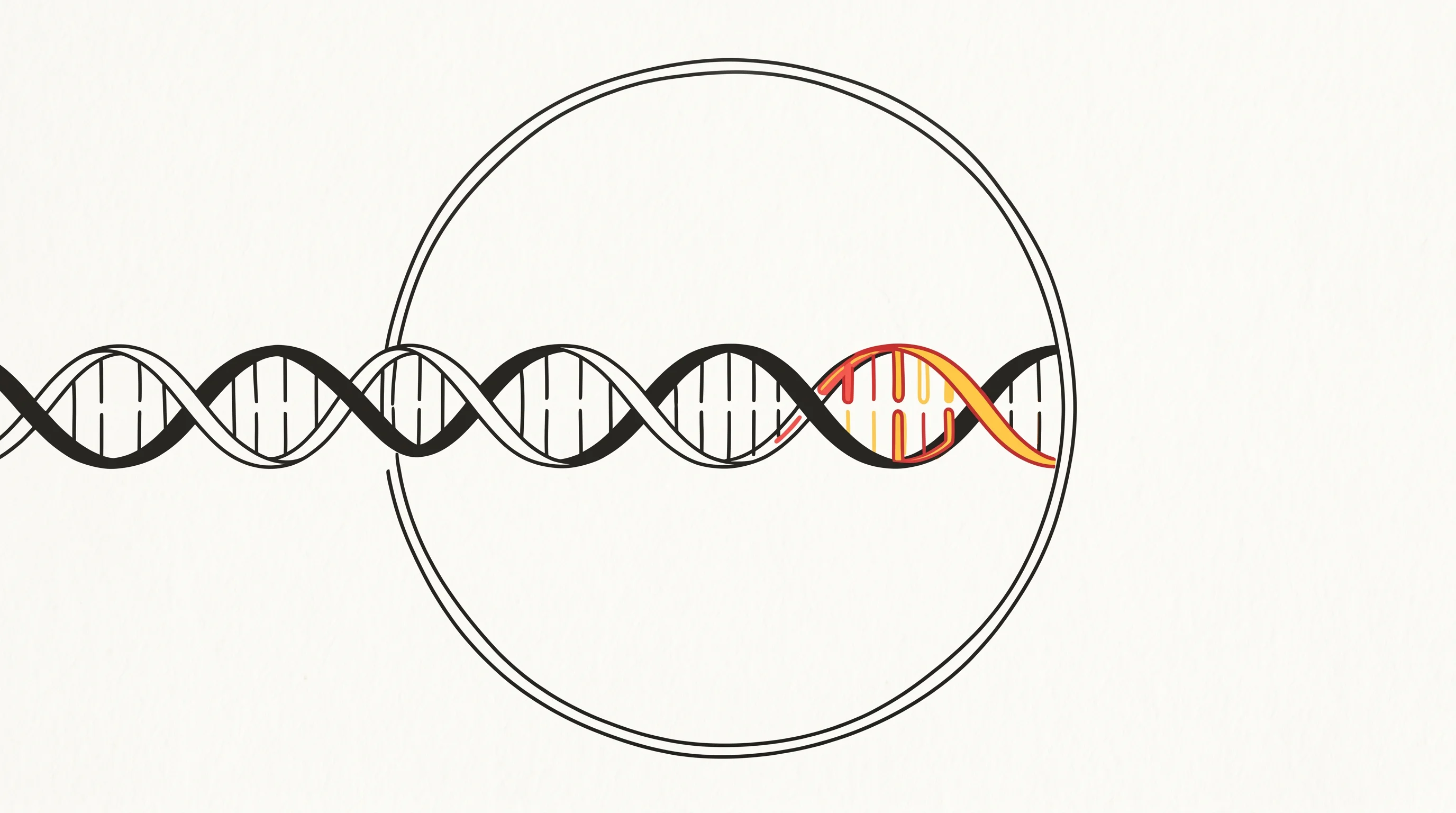
At the heart of Gramics' pitch is a claim that, if true, could sidestep some of the thorniest problems in gene therapy. The company has engineered DNA sequences—what it calls "ENTRON" sequences—designed to enter the cell nucleus and stay put long enough to do their job. The sequences are optimized using computational modeling and high-throughput screening, a process meant to ensure they reach the right cells and avoid the wrong ones.
Because the therapy uses lipid nanoparticles instead of viral vectors, Gramics argues it can plug into existing LNP manufacturing lines, the kind scaled up rapidly during COVID-19. And because it's not a virus, the platform should allow repeat dosing—a persistent limitation of adeno-associated viral vectors, which often trigger immune responses that make a second shot ineffective or dangerous.
Cystic fibrosis is the first target, but the ambition is broader: any monogenic disease where a missing or broken protein is the root cause. Whether the science holds up under clinical scrutiny is, of course, the question investors are now being asked to price.
The Founders and the Foundation
Rayner, the CEO, spent years on the other side of the table as head of business development for Europe at the Cystic Fibrosis Foundation, the patient advocacy group that has also become one of biotech's more active venture players. Co-founder and chief scientific officer Dr. Alice Preston has a PhD from University College London and Great Ormond Street Hospital, followed by eight years in postdoctoral research at Oxford studying DNA regulation. She later worked as a principal scientist at Ochre Bio, a liver disease startup.
The Cystic Fibrosis Foundation shows up twice in Gramics' story. It's listed as an early supporter on the company website, and Companies House records reveal it held more than 25%—but less than 50%—of voting rights between April and August 2025, before relinquishing its status as a person with significant control last summer. The Foundation and Deep Science Ventures, the London venture studio known for spinning out science-heavy startups, launched a collaboration in 2021 specifically to build genetic therapy companies for cystic fibrosis. That partnership helps explain Gramics' early institutional backing, even if the precise dollar amounts remain undisclosed.
Other early supporters include KQ Labs and the Francis Crick Institute itself. Dr. Enrique Lin Shao of the Cystic Fibrosis Foundation serves as a board observer. Per LinkedIn, Gramics Bio employs between 2 to 10 people—a range that suggests the team is still very much in formation.
A Crowded, Complicated Field
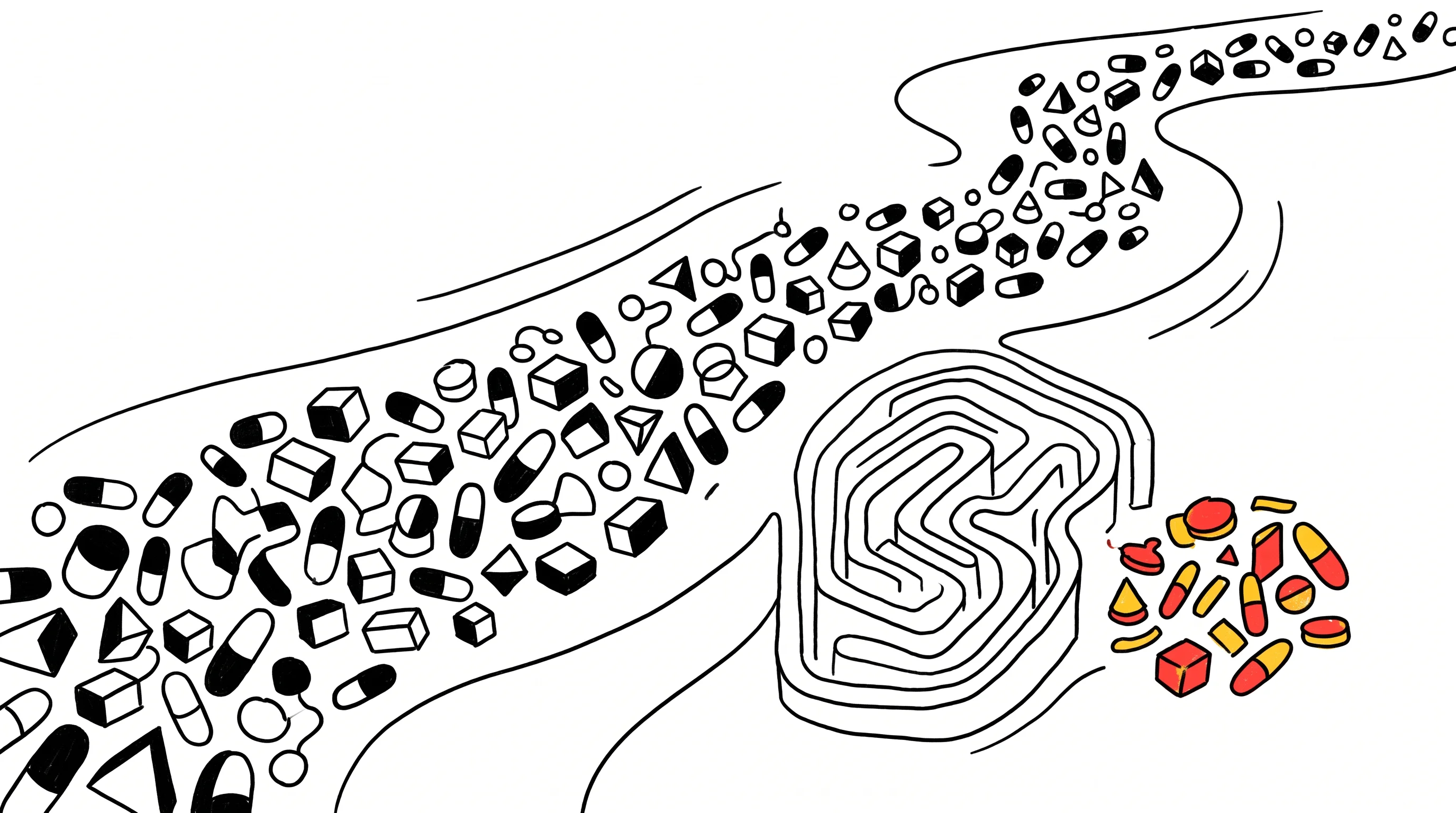
Gramics is entering a market that has seen both spectacular progress and humbling setbacks. Vertex's CFTR modulators—particularly Trikafta, approved in 2019—have transformed life expectancy for the majority of patients whose mutations respond to small-molecule drugs. But roughly 10% of the cystic fibrosis population, perhaps 4,000 people in the U.S. alone, cannot benefit from these therapies. For them, genetic intervention remains the most plausible path.
Several companies are already in the clinic with inhaled genetic approaches. 4D Molecular Therapeutics reported encouraging interim data in January for 4D-710, an aerosolized AAV candidate. Krystal Biotech announced Phase 1 results for KB407, also a viral vector therapy, around the same time; a Phase 3 trial is expected to start by mid-2026. Arcturus Therapeutics and ReCode Therapeutics are both advancing inhaled mRNA programs.
What's less clear is whether Gramics' non-viral approach—elegant on paper—can deliver therapeutic levels of protein expression in human lungs without triggering inflammation or losing potency over time. The field is littered with promising preclinical data that failed to translate.
Cystic fibrosis affects approximately 40,000 people in the United States and 105,000 worldwide, according to Foundation estimates. The disease, caused by mutations in the CFTR gene, leads to thick mucus buildup in the lungs and other organs, resulting in chronic infections and progressive lung damage. For a founder who lives with the condition, the work is more than academic.
Rayner and Preston are now in the uncomfortable position familiar to all seed-stage founders: selling a vision before the hardest experiments have been run. The seed round, whenever it closes, will buy them time to generate the data that turns speculation into something more solid. Or not.


