

In a clinical research park on the outskirts of Bengaluru, a biotech startup is attempting something its founders acknowledge borders on the improbable: bringing CAR-T cancer therapy—one of medicine's most expensive treatments—to patients at a tenth of its Western price tag.
Immuneel Therapeutics, the venture co-founded by Indian biotech veteran Kiran Mazumdar-Shaw, recently closed a funding round exceeding Rs 100 crore, or roughly $12 million. New backers Singularity AMC and Rainmatter by Zerodha joined existing investors including Mazumdar-Shaw herself, Eight Roads Ventures, and F-Prime Capital in the round, which the company announced in June. The company declined to disclose its valuation.
It's a modest sum by biotech standards, particularly for a firm targeting one of oncology's most capital-intensive frontiers. But the Bengaluru outfit isn't playing by Silicon Valley's rulebook.
The $600,000 Problem
CAR-T therapy—chimeric antigen receptor T-cell therapy, in the clinical vernacular—represents a watershed in cancer treatment. The approach engineers a patient's own immune cells to hunt down malignancies, producing remissions in cases once considered terminal. It has also produced sticker shock: treatments in the United States routinely run between $600,000 and $700,000 per patient, a figure that includes manufacturing, hospital stays, and managing the therapy's sometimes severe side effects.
CEO Amit Mookim, speaking to the Economic Times, said Immuneel is targeting pricing around 10% of that benchmark. The math alone invites skepticism. How do you collapse costs by an order of magnitude without sacrificing the precision biology that makes CAR-T work?
Mookim's answer centers on localization. The company manufactures its own lentiviral vectors and reagents—components typically imported at steep markups—and operates what it describes as India's first integrated cell therapy development and manufacturing facility. The plant, inaugurated in early 2021 at Narayana Health City's Mazumdar-Shaw Cancer Centre, was designed from the outset for scale rather than boutique production.
Whether that's enough remains an open question. India does have one other domestically developed CAR-T therapy on the market: ImmunoACT and Dr. Reddy's NexCAR19, priced between Rs 30 lakh and Rs 40 lakh (approximately $36,000 to $48,000) per treatment. Immuneel hasn't disclosed precise pricing for its own therapy, Qartemi, which received Indian regulatory clearance in late January 2025 and was announced for commercial launch the same month.
A Spanish License, an Indian Ambition
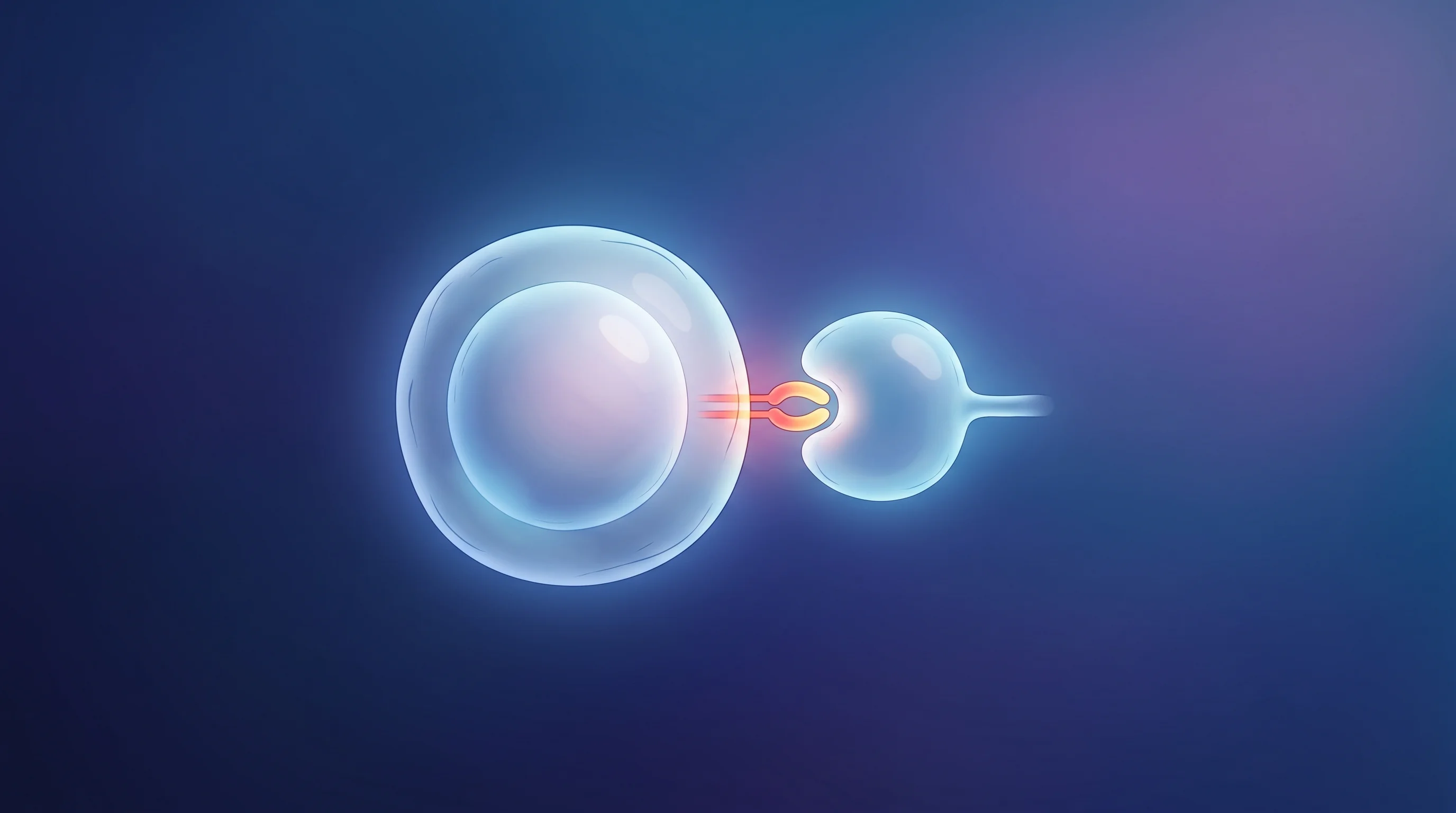
Immuneel's scientific foundation rests on a 2020 licensing agreement with Hospital Clínic de Barcelona and IDIBAPS, granting the company exclusive Indian rights to the ARI-0001 CAR-T platform. The therapy, which targets CD19 on B-cell cancers, secured Spanish regulatory authorization in early 2021.
The Bengaluru company isn't simply repackaging European innovation. Its co-founder roster includes Siddhartha Mukherjee, the Columbia oncologist and Pulitzer Prize–winning author, and Kush Parmar of 5AM Ventures. The scientific advisory board reads like a who's who of cell therapy pioneers: Bruce Levine, Carl June, Noopur Raje. These aren't names you assemble for a knockoff operation.
Immuneel reported two-year remission data from Indian patients in May in Pharmabiz, though the company has not yet published results in a peer-reviewed journal—a step that will be essential for gaining traction beyond its home market.
The Harder Part: Expansion

The fresh capital will fund manufacturing scale-up and pipeline development, but perhaps more tellingly, it's earmarked for geographic expansion. Immuneel is eyeing Southeast Asia, the broader Asia-Pacific, and the Middle East—markets where healthcare infrastructure varies wildly and reimbursement frameworks for experimental therapies barely exist.
LinkedIn posts from mid-2026 show the company courting clinicians at Apollo hospitals, PGIMER Chandigarh, and CMC Vellore, alongside partners in Oman and the UAE. A Queensland parliamentary report noted a March meeting between Immuneel's CEO and Australian officials, suggesting the company's ambitions extend beyond price-sensitive emerging markets.
There's also the financing puzzle. Immuneel has partnered with Impact Guru and CarePal Money to help Indian patients afford treatment—a tacit acknowledgment that even drastically reduced pricing may still be out of reach for many. The company is separately evaluating Applied Cells' rapid CAR-T manufacturing platform, a technology that could further compress timelines and costs if it pans out.
Following the Money

Immuneel's funding history offers some clues about investor confidence, if not clarity on traction. The company raised a $15 million Series A co-led by Eight Roads, True North, and F-Prime in June 2022, followed by a Rs 100 crore Series A extension from TAIBA Middle East in mid-2024. The latest round brings total disclosed capital to the rough neighborhood of $40 million—not extravagant for a clinical-stage biotech, but perhaps lean for one aiming to upend global cell therapy economics.
Mazumdar-Shaw, who built Biocon into one of Asia's largest biopharmaceutical companies, framed the investment in characteristically grand terms: building a globally competitive CAR-T platform from India with affordability and scale at its core. It's a vision that echoes her earlier work making insulin and immunosuppressants accessible across the developing world.
Whether CAR-T—vastly more complex, more personalized, more logistically fraught—can follow the same trajectory is the bet Immuneel's backers are making. The therapy works. The question is whether it can work at a price the world's majority can afford.


