

Kora, the Nigerian fintech company that has been quietly expanding its payments infrastructure across Africa, unveiled a stablecoin processing layer late last month that marks another bet on digital dollars as a way around the continent's notoriously expensive remittance corridors.
The product, called One Rail, was announced on September 29. It allows merchants to receive, hold, convert and settle payments in USDT and USDC across three blockchain networks: Solana, Ethereum and Tron. What makes the offering distinctive is its integration into Kora's existing infrastructure. Businesses don't need to bolt on a separate crypto stack or learn new interfaces. The same API and dashboard they use for local currency payments now handles stablecoin transactions as well.
That simplicity might be the point. Cross-border remittances into Sub-Saharan Africa carry an average cost of 8.46 percent, well above the 6.36 percent global benchmark, according to recent World Bank data. For merchants who deal in inbound payments from abroad, those fees compound quickly. Kora is positioning stablecoin settlement as an alternative to traditional correspondent banking, though the company has not quantified specific cost advantages.
"One Rail levels the playing field, enabling merchants to integrate stablecoin payments into their existing payment stack," the company said when it announced the launch.
The mechanics are straightforward, at least in theory. Merchants receive unique wallet addresses for each customer transaction. Kora's system tracks stablecoin transfers as they occur and reconciles them automatically within its dashboard. Businesses can then choose to hold their balance in USDT or USDC, or convert to local fiat and settle funds into bank accounts through the same payout rails Kora already operates. Verification happens through what the company calls its Charge Query API.
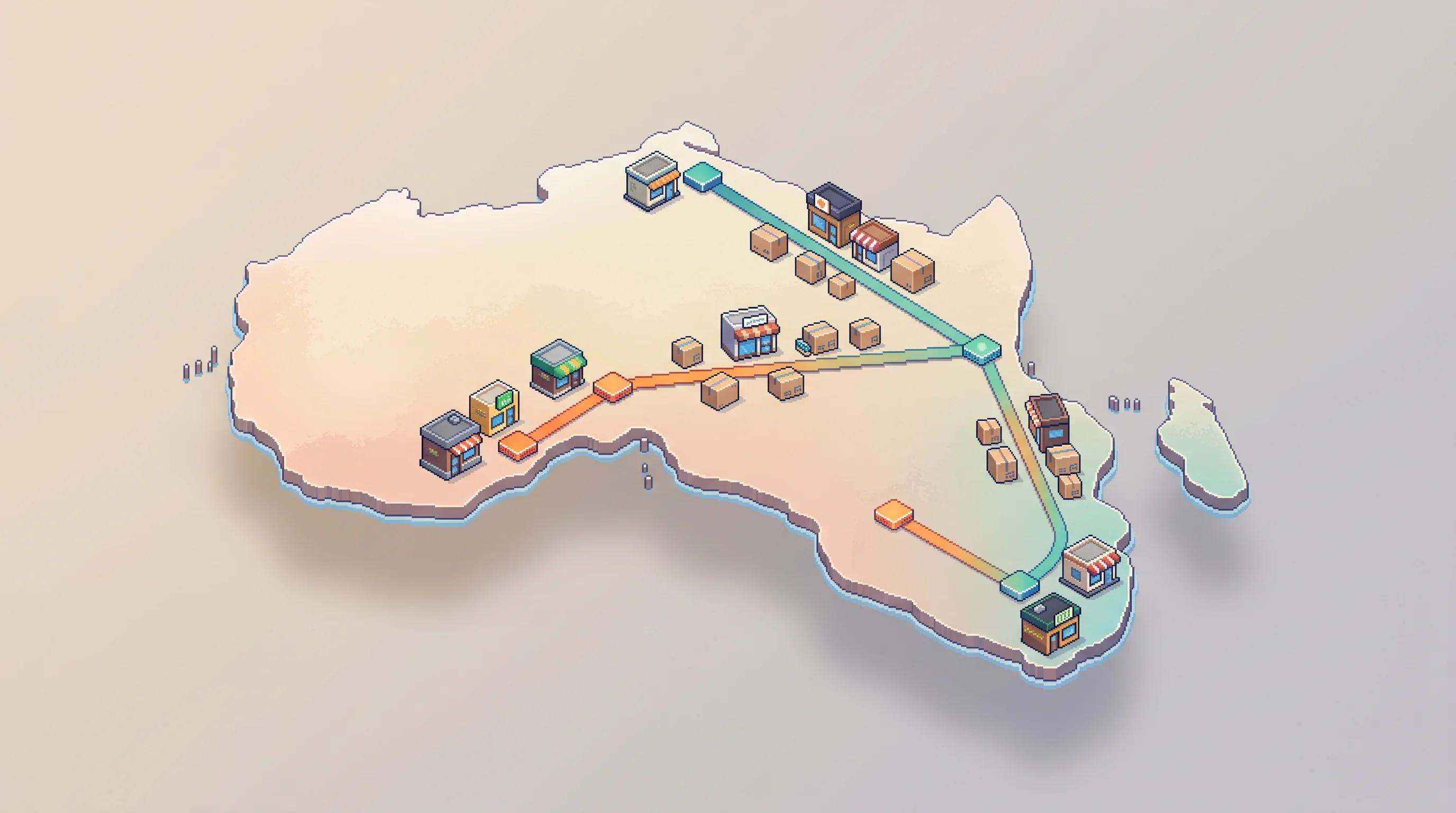
One Rail is available to eligible merchants from the pilot program in Nigeria, Kenya, Ghana, South Africa, Egypt and other markets where Kora has a presence. The company describes the rollout as an "eligibility-based pilot" rather than an open launch. Merchants need conversion capabilities enabled on their accounts to participate, and Kora has characterized the group as a "working group, not a waitlist." Standard transaction fees apply, though the company has not disclosed specific pricing or how fees vary by blockchain network.
The timing of the launch is worth noting. Just a month earlier, on September 1, Kora announced SOC 2 Type II certification. Its Trust Center now lists compliance with ISO 27001:2022, PCI DSS v4.0.1 and other security frameworks. The company also clarified in its documentation that money transmission and stablecoin services run through partners in each region, with funds held according to local regulatory requirements.
That regulatory caution reflects a broader tension in the African fintech space. Stablecoins promise lower costs and faster settlement, but they sit in a gray zone in many jurisdictions. Kora's competitors have been navigating similar terrain. Flutterwave has pursued stablecoin infrastructure through partnerships with Tempo and Turnkey, with its developer documentation showing support for USDC and USDT in enterprise settlement. Onafriq announced collaborations with Conduit in February and Privy in July to build what it called regulated stablecoin rails. Yellow Card, another player in the space, partnered with Visa on stablecoin initiatives that were announced last June.
Kora itself has been expanding beyond payments. In June, it joined the International Air Transport Association's Financial Gateway to handle airline transactions, a signal that the company is angling for enterprise verticals where payment volumes are high and margins matter. The company holds a payment service provider authorization from Nigeria's central bank, lending it regulatory legitimacy in its home market.

Still, questions linger. Kora has not disclosed which custody providers or on-ramp partners power One Rail's operations. The company's own geographic footprint is somewhat opaque. Its media page lists Lagos as the headquarters, with offices in Toronto, Birmingham and London, though some press materials have referenced Dubai.
For now, Kora says it plans to add other USD-backed stablecoins "based on demand and regulatory and operational readiness," though no timeline has been provided. Whether One Rail gains traction will depend less on the technology than on whether merchants see meaningful cost savings and whether regulators across African markets decide to embrace, ignore or crack down on stablecoin payment flows. The pilot phase will likely answer at least some of those questions.


