

The pitch sounds almost too neat: A healthcare system struggling with interpreter wait times and per-minute billing decides to let artificial intelligence handle the translation instead. Costs drop 63%. Access improves. Everyone goes home happy.
That's the story No Barrier, a San Francisco startup barely two years old, is selling to hospitals and clinics around the country. And as of last month, the company has $2.7 million in fresh seed capital—oversubscribed, naturally—to make the case more aggressively. A-Squared Ventures and Esplanade Ventures co-led the round announced November 17, joined by Rock Health Capital and early backer Fusion VC.
The question lingering over the whole enterprise? Whether healthcare providers—and their patients—will really hand over something as delicate as medical conversations to an algorithm, even one the company insists outperforms human interpreters by 20%.
The Market Is Real, the Stakes Higher
Start with the numbers. Roughly 25.7 million Americans—about 8% of those aged five and older—have limited English proficiency. Federal law isn't vague about what that means for healthcare: Section 1557 of the Affordable Care Act, with clarifying rules that took effect in July 2024, explicitly requires qualified interpreters. Video calls with untrained staff won't cut it. Neither will Google Translate on a nurse's phone.
Traditional interpretation services, whether by phone or video, charge by the minute. They also create wait times. Sometimes long ones. And they depend entirely on whether a human interpreter fluent in, say, Hmong or Tigrinya happens to be available at 2 a.m. when a patient walks into an ER.
No Barrier's founders—Eyal Heldenberg, Tomer Baum, and Moe Abramovitch, all veterans of voice AI firms like Verint and LogMeIn—saw the gap. Their system handles more than 40 languages instantly, they say, cutting costs by up to 70% while meeting HIPAA and SOC 2 standards through U.S.-based data centers. The appeal to budget-strapped hospital administrators is obvious.
What's less obvious: Will it actually work when it matters most?
The Accuracy Debate
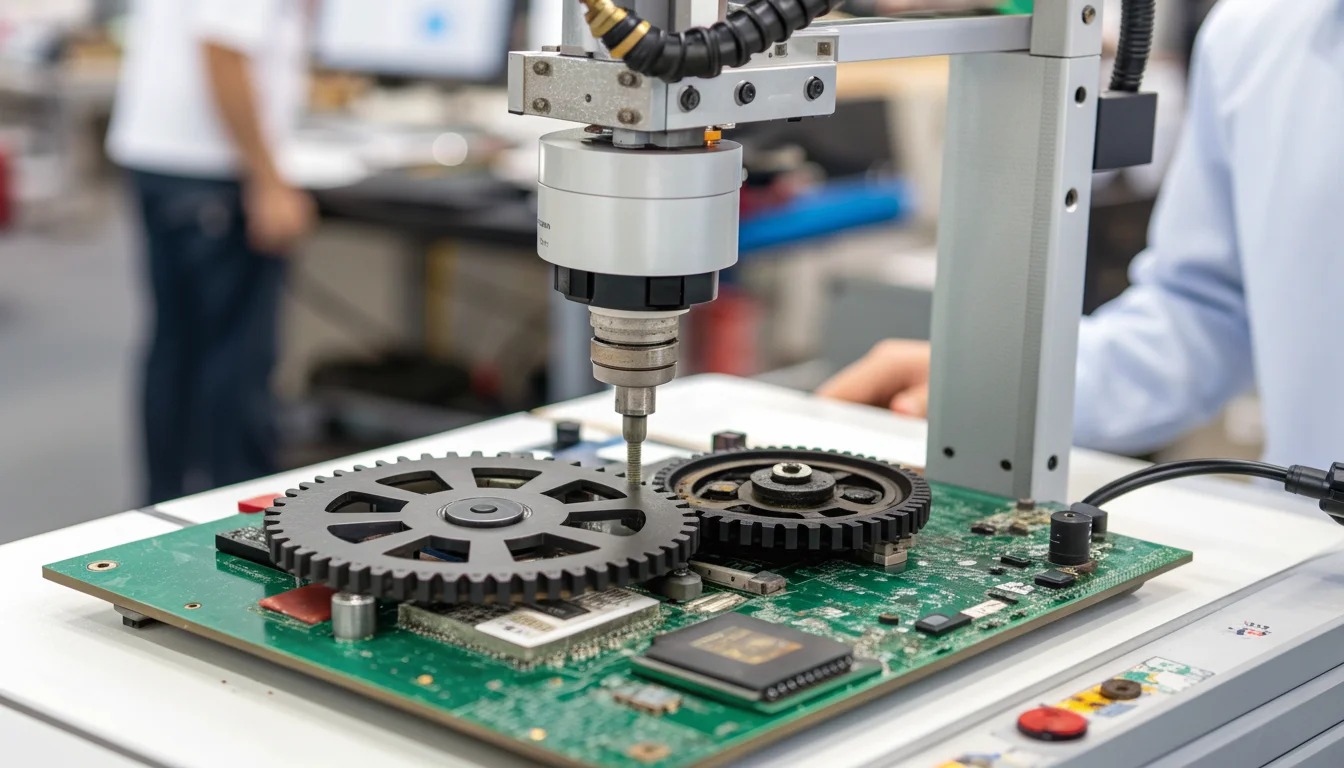
Here's where things get interesting. No Barrier claims its AI is "20% more accurate on average than professional interpreters." Bold, considering the entire industry depends on human expertise as the gold standard.
The evidence? An internal study the company published in October. Researchers took 91 English-Spanish medical sentences and ran them through No Barrier's system and two phone interpretation vendors. Certified interpreters, evaluating the results blindly, rated No Barrier's output at 6.38 out of 7 on average. The human services? 5.59 and 4.93.
It's worth noting what this study is: company-authored, not peer-reviewed, limited to a single language pair. It's also worth noting what it represents—an opening salvo in what will likely become a protracted argument about whether AI can handle the nuances of medical dialogue. A misunderstood dosage instruction or a mistranslated symptom description can have consequences that don't show up in accuracy ratings.
Still, hospitals are paying attention. Community Clinic NWA, a federally qualified health center network serving around 70,000 patients annually, reported that 63% cost reduction in a case study No Barrier published. The company says its technology is now deployed across more than 100 healthcare sites in 12 states—mental health clinics, reproductive care centers, pediatric offices, infectious disease practices.
A Crowded, High-Stakes Arena

No Barrier isn't exactly entering virgin territory. The medical interpretation market has been consolidating for years, with large incumbents swallowing smaller players. AMN Healthcare paid $475 million for Stratus Video back in 2020. Propio Language Services acquired CyraCom just this past July. And GLOBO, another AI-driven entrant, launched its interpreter app across 3,000 provider sites in June, supporting 20-plus languages.
The competitive landscape is getting noisy. But regulatory tailwinds and cost pressures—two forces that rarely align so conveniently—might give AI-based tools room to expand. Rock Health Capital, in explaining its investment thesis, pointed to No Barrier's "healthcare-tuned, low-latency speech models" and compliance guardrails. Translation: The technology seems good enough, the market timing seems right, and hospitals need cheaper options.
Dr. Jeffrey Chen, an emergency physician trained at Harvard and UCSF who now serves as No Barrier's head of medical affairs, lends clinical credibility. The company employs fewer than 10 people total, a lean operation for now.
What Regulators Allow (Sort Of)
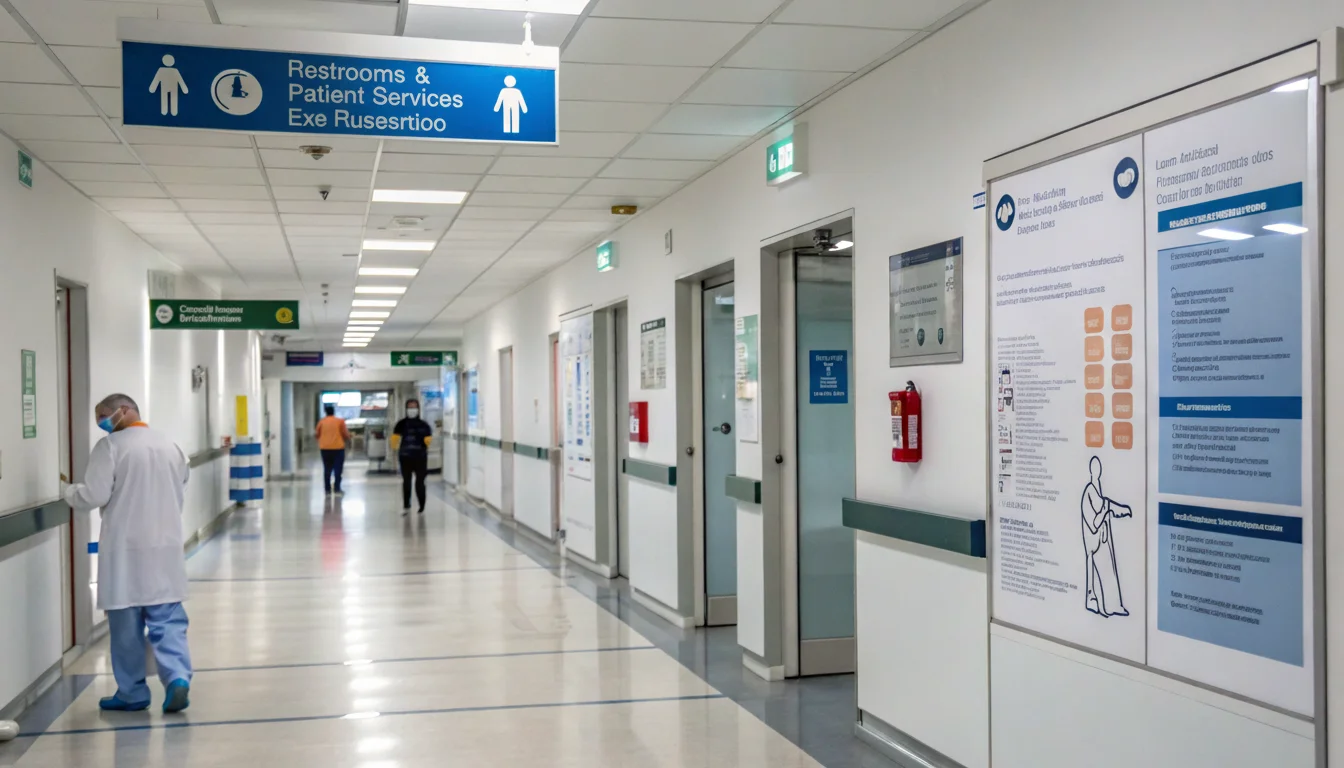
Federal guidance does permit machine translation in emergencies when no other services are available—provided a qualified human verifies the output afterward. That caveat matters. How hospitals interpret and implement that rule as AI tools proliferate remains an open, and possibly contentious, question.
No Barrier markets its system as compatible with electronic health records, though the company hasn't named specific integration partners publicly. The $2.7 million will fund broader U.S. rollout and further product development, the founders say. They're betting that healthcare's notorious cost pressures will eventually override lingering skepticism about letting a machine handle something as human as language.
Maybe they're right. Or maybe the first high-profile mistranslation will reset the entire conversation. For now, at least, investors seem willing to find out.


