A San Francisco startup wants to put robots to work in the belly of America's data centers, pulling drives, swapping cables, and dismantling servers that have reached the end of their useful lives.
Proprio Robotics, which emerged from Y Combinator's 2026 summer batch, is building machines designed to handle the tedious physical labor that has become increasingly difficult for data center operators to staff. The company says it aims to deploy the systems commercially in the coming quarters, addressing what Y Combinator has characterized as 400,000 open data center technician positions across the United States.
The labor crunch is real enough. Survey data from Uptime Institute suggests more than half of data center operators struggle to find qualified candidates. Job posting trends tracked by Indeed Hiring Lab show data center roles now represent a growing share of openings nationwide, up from earlier periods as hyperscalers race to build infrastructure for artificial intelligence workloads. Whether robots can fill that gap remains an open question.
Proprio's approach centers on teaching machines to handle specific, repetitive tasks: inserting fans, recabling switches, extracting RAM modules, managing GPU connections, hot-swapping disks, removing heatsinks. According to posts from hardware partner Trossen Robotics, the startup has trained robots using commercially available robotic arms to autonomously disassemble servers and pull components. Co-founder Raghav Punnam has shared demonstrations showing the systems cycling through multiple drive swaps without human oversight.
The founding team consists of Anirudh Pai and Punnam, both with backgrounds at Harvard University and Berkeley's AI research lab. The company self-reports membership in NVIDIA's Inception program.
"We already have a live AI data center in our office, and our robot can actively maintain it 24/7," Y Combinator wrote in an August announcement. Pai has framed the product as "the physical automation layer for data centers."
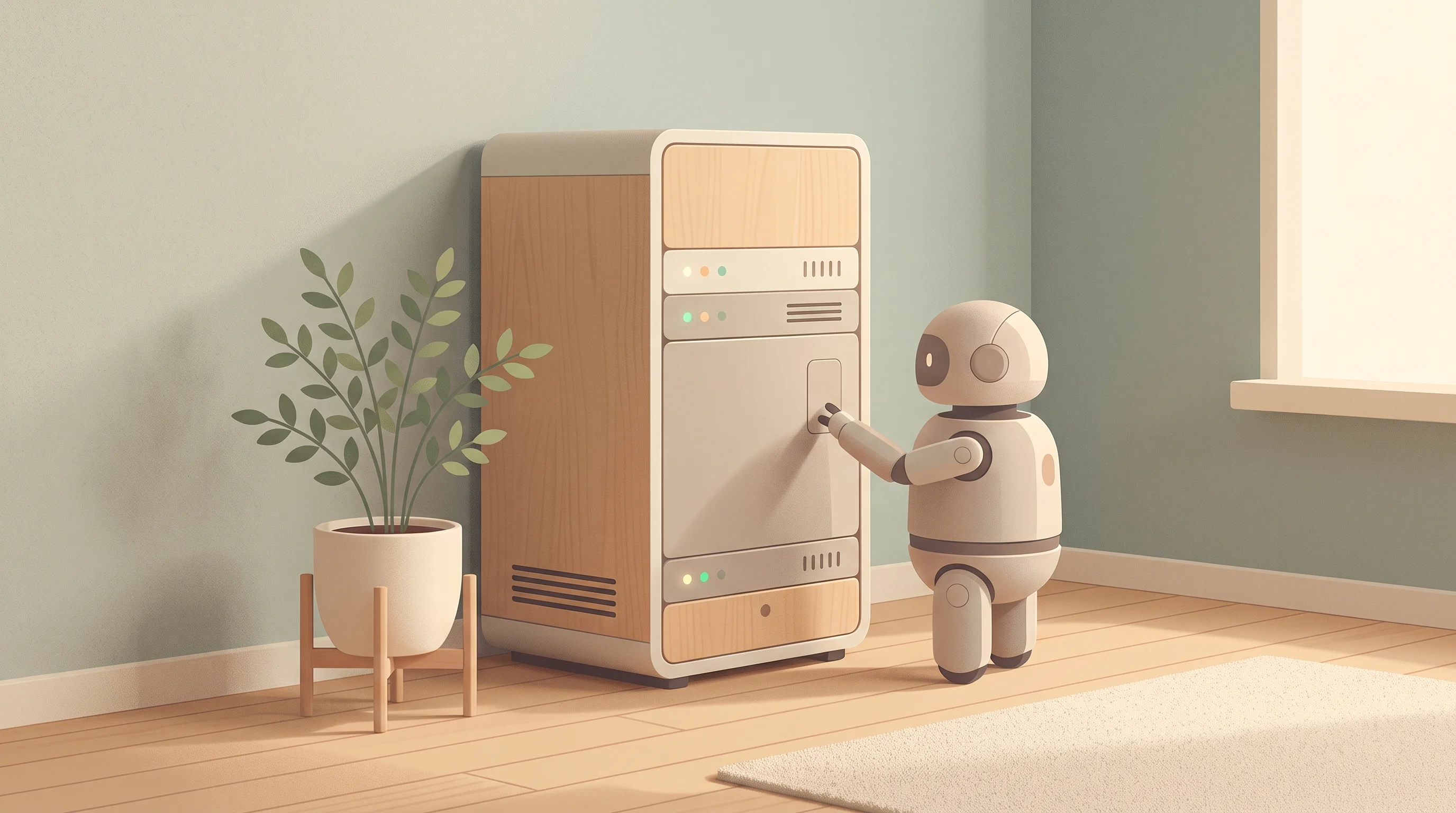
Live demonstrations have been running since at least summer of last year, when investor Ankit Gupta flagged the launch. Punnam posted footage in late August showing what he described as autonomous drive swaps across different servers in a lab setup. Proprio hosted a community event with Trossen Robotics and LiveKit at Mission Robotics in San Francisco that same month.
The company is hardly alone in chasing this opportunity. Boost Robotics, another Y Combinator outfit, rolled out inspection and remote maintenance robots for data centers early last year. Omnipresent Robotics and Hyperscale Data announced plans to deploy 30 humanoid robots at a Michigan campus, targeting component assembly work. Meta has tested dual-arm robots for cable management, according to industry publications. Google has run earlier experiments with robots handling drives and equipment, Data Center Dynamics reported.
Proprio has published model repositories on Hugging Face, with updates logged through mid-2026. No public funding rounds have been announced as of September 2026. How quickly Proprio can move from lab demonstrations to commercial deployments at scale will determine whether it can capture a meaningful slice of a market that remains largely theoretical, even as the need for data center capacity shows no sign of slowing.