

The pitch sounds almost too good to be true: a credit card with interest rates a third of what most Americans pay, cash back rewards, and credit lines stretching into six figures. The catch? Your house is the collateral.
Trovy Technologies, a New York fintech barely a year old, closed a $15 million Series A round on June 24, led by Left Lane Capital. The financing brings the startup's total raise to $25 million—a respectable war chest for a company that didn't launch its first product until June 2024 and is now live across 27 states, with licenses in 30. For a firm offering what amounts to a mortgage tucked inside a piece of plastic, that's aggressive.
The company's bet is straightforward, if unproven at scale: that homeowners drowning in high-interest credit card debt will happily swap some equity for breathing room. Whether borrowers are ready to put their homes on the line for everyday spending—and whether regulators will stay comfortable with the arrangement—remains an open question.
Plastic Meets Property
Trovy's card works like any Mastercard. Swipe it at Target, pay for dinner, withdraw cash from an ATM. The difference shows up in the fine print: each purchase draws against a home equity line of credit, the kind typically used for kitchen renovations or emergency repairs, not groceries.
The company advertises annual percentage rates between 5.99% and 14.39% as of mid-June, a stark contrast to the roughly 21% APR that has become standard for credit cards in early 2026. Credit limits run up to $250,000, depending on available equity. Cross River Bank, a frequent partner for fintech upstarts, issues the card; Trovy Lending Co. (NMLS #2676733) handles the underlying HELOC origination.
There's a rewards layer, too—2% cash back on home-related purchases, 1% on everything else. And borrowers can convert revolving balances into fixed-rate installments, a feature that blurs the line between flexible credit and structured debt. No minimum draw required upfront, which sets it apart from traditional HELOCs that often demand an initial withdrawal.
It's a design that tries to have it both ways: the convenience of a credit card with the cost structure of a secured loan. The question is whether that combination feels liberating or unnerving to the average homeowner.
The Figure Alumni Network

TJ Milani and Ashley Harris, Trovy's co-founders, both spent time at Figure, the digital lending platform that carved out a niche in blockchain-based home equity products. Milani held the COO and CFO roles; Harris served as General Counsel. That pedigree likely helped attract Kleiner Perkins, DCM Ventures, and Camber Creek in a seed round of undisclosed size. All three joined Left Lane in the Series A.
Kleiner published a perspectives piece on Trovy last July, one of those investor blog posts that doubles as a public endorsement. The timing—just a month after the product went live—suggested the firm saw something worth promoting early.
Trovy now operates out of two offices: one in Bryant Park in Manhattan, another in Salt Lake City. LinkedIn data pegs the employee count somewhere between 11 and 50 as of late June, the usual range for an early-stage fintech still finding its footing.
A Crowded, Expensive Landscape
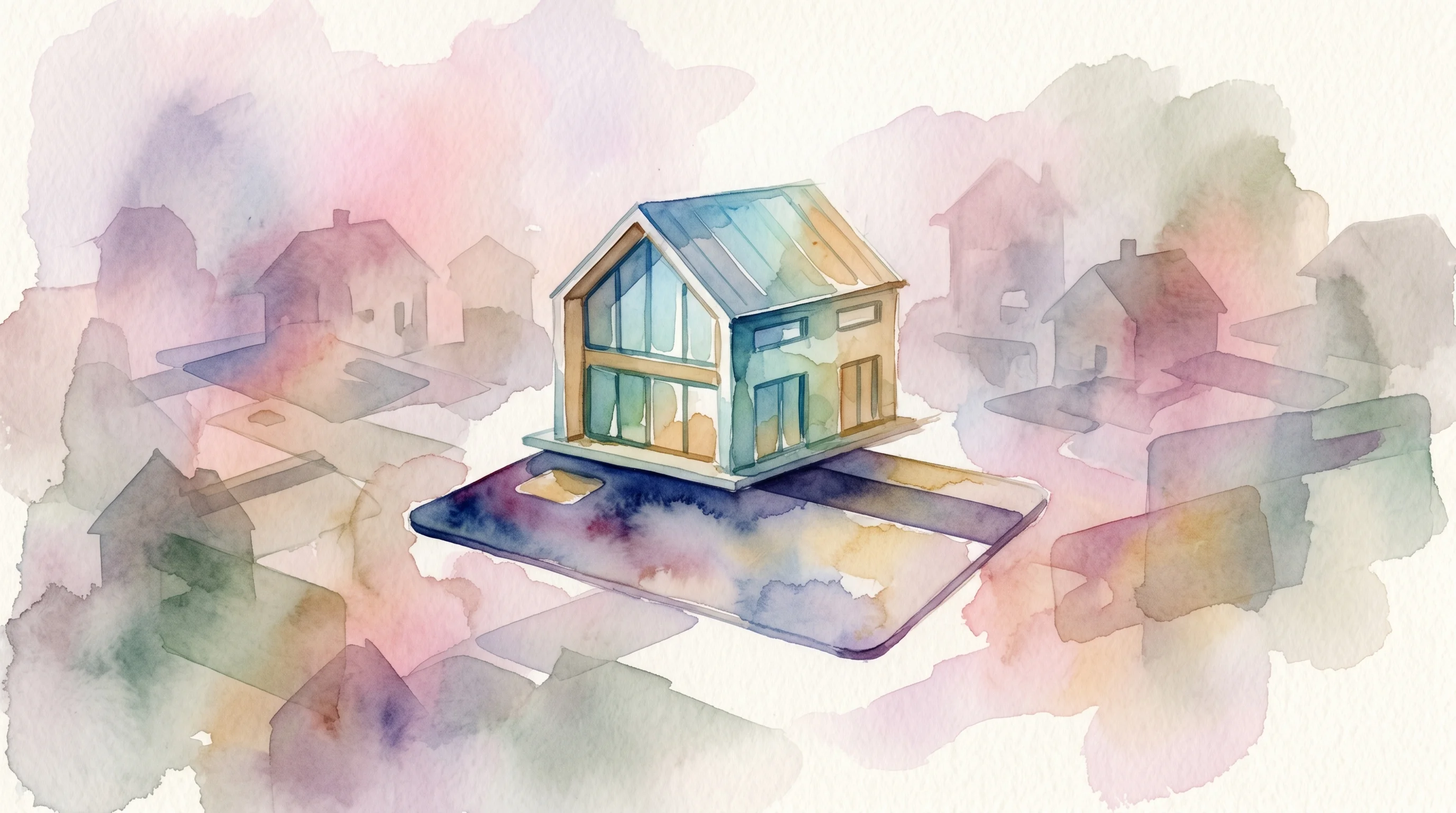
Trovy isn't alone in trying to rescue homeowners from credit card rates that have climbed relentlessly over the past few years. Aven offers a similar HELOC-backed Visa, with APRs between 6.49% and 14.99%. Achieve, a more established lender, has expanded into the category. The pitch is nearly identical across players: tap your home's value before a credit card company bleeds you dry at 21%.
The opportunity is sizable, perhaps more than founders initially expected. The New York Fed's household debt report for the first quarter of 2026, released in May, showed mortgage balances at $13.19 trillion out of $18.8 trillion in total debt. That's a lot of potential equity to unlock, especially for homeowners who bought before prices spiked and have seen their paper wealth balloon.
But competition is intensifying. And the product itself carries risks that go beyond what most credit cards pose—miss enough payments and the lender isn't just dinging your credit score, they're foreclosing on your home.
What Comes Next

Trovy has hinted at a second act. The company said in its funding announcement that it plans to launch the 1Loan this summer, a HELOC designed for home purchases and refinances. The idea: structure the line at closing, rather than opening it months or years later. As of late June, the product still appears as "Coming in 2026" on the company's website, so the timeline may be sliding.
With $15 million in fresh capital and a licensing footprint that covers much of the country, Trovy has the resources to test its theory at scale. The startup is betting that enough homeowners will see a HELOC-backed card as a financial lifeline rather than a risky entanglement of debt and property.
It's a wager that could reshape how Americans think about credit—or fizzle if the product feels too complicated, too dangerous, or just too weird to catch on. Either way, the next twelve months will clarify whether Trovy has unlocked a new category or simply repackaged an old one with shinier plastic.


