

When Yousef Abdelfattah walked away from FaZe Clan—the gaming empire he co-founded that went public with a $1 billion valuation—he brought something most restaurant tech founders lack: 15 years of watching creators monetize influence. Now he's betting that what worked for energy drinks and gaming peripherals can rescue struggling local eateries.
His Los Angeles startup, TryNearby, has already generated 35 million views across Southern California, charging $399 monthly to dispatch TikTok creators who film, post, and occasionally trigger lines out the door. One San Diego establishment nearly doubled revenue in a month. Another saw a 50% bump. "Owners tell us people walk in every day saying 'we saw you on TikTok,'" Abdelfattah noted in the company's Y Combinator materials.
The pitch is straightforward enough: restaurants subscribe, creators show up, content goes live. But the underlying machinery reveals how far automation has crept into what was recently artisanal work. TryNearby's AI agents handle more than 10,000 text messages monthly, matching creators to restaurants, managing schedules, and learning preferences over time. Restaurant owners interact with their own iMessage assistant that surfaces metrics and upcoming bookings. The system aims to eliminate the coordination headaches that typically plague influencer partnerships.
For each $399 subscription, a restaurant receives five creator visits. The visitors film reviews for their audiences, then leave feedback on Yelp and Google—platforms that still drive meaningful discovery despite their declining cultural cachet. Restaurants comp the meal; TryNearby orchestrates everything else through automated iMessage threads with creators.
The timing reflects broader shifts in local discovery. TikTok has expanded features designed to surface nearby businesses, while traditional advertising channels struggle to convert ad dollars into foot traffic. A well-timed creator video can appear in neighborhood feeds where potential customers live within walking distance, a targeting precision that billboards and radio spots can't match.
Abdelfattah isn't operating solo. His COO, Obaida Albaroudi, previously worked at Replit during its early days and spent time at Goldman Sachs before co-founding a video clipping infrastructure company. CTO Ahmad Ibrahim studied computer science at UC Berkeley and held senior roles at WeightWatchers and a social media clipping startup. The five-person team emerged from Y Combinator, though the company hasn't disclosed funding details beyond the accelerator's standard investment.

Their traction metrics suggest the model resonates, at least in Southern California. The startup reports an average of 37% month-over-month growth since November and retention above 90%—numbers that indicate restaurants keep paying once they see results. Views skew heavily local; Abdelfattah claims they come "almost entirely from people within a few miles" of featured locations.
TryNearby has produced 2,500 videos across its network. The company exhibited at the California Restaurant Show, where booth materials emphasized the bundled approach: social posts plus Google and Yelp reviews in a single package. It's now a member of the California Restaurant Association, listing services under advertising categories.
The competitive landscape is getting crowded, though perhaps not as crowded as the restaurant industry itself. LocalCollab targets small businesses with TikTok-optimized creators. Collink runs a marketplace for user-generated content spanning Reels and TikTok. Somie focuses exclusively on South Florida restaurants, salons, and boutiques. Pollyn operates in Phoenix with curated matchmaking. Food-specific platforms like Parlye and Comp'd position themselves as mutual-benefit networks for restaurants and creators.
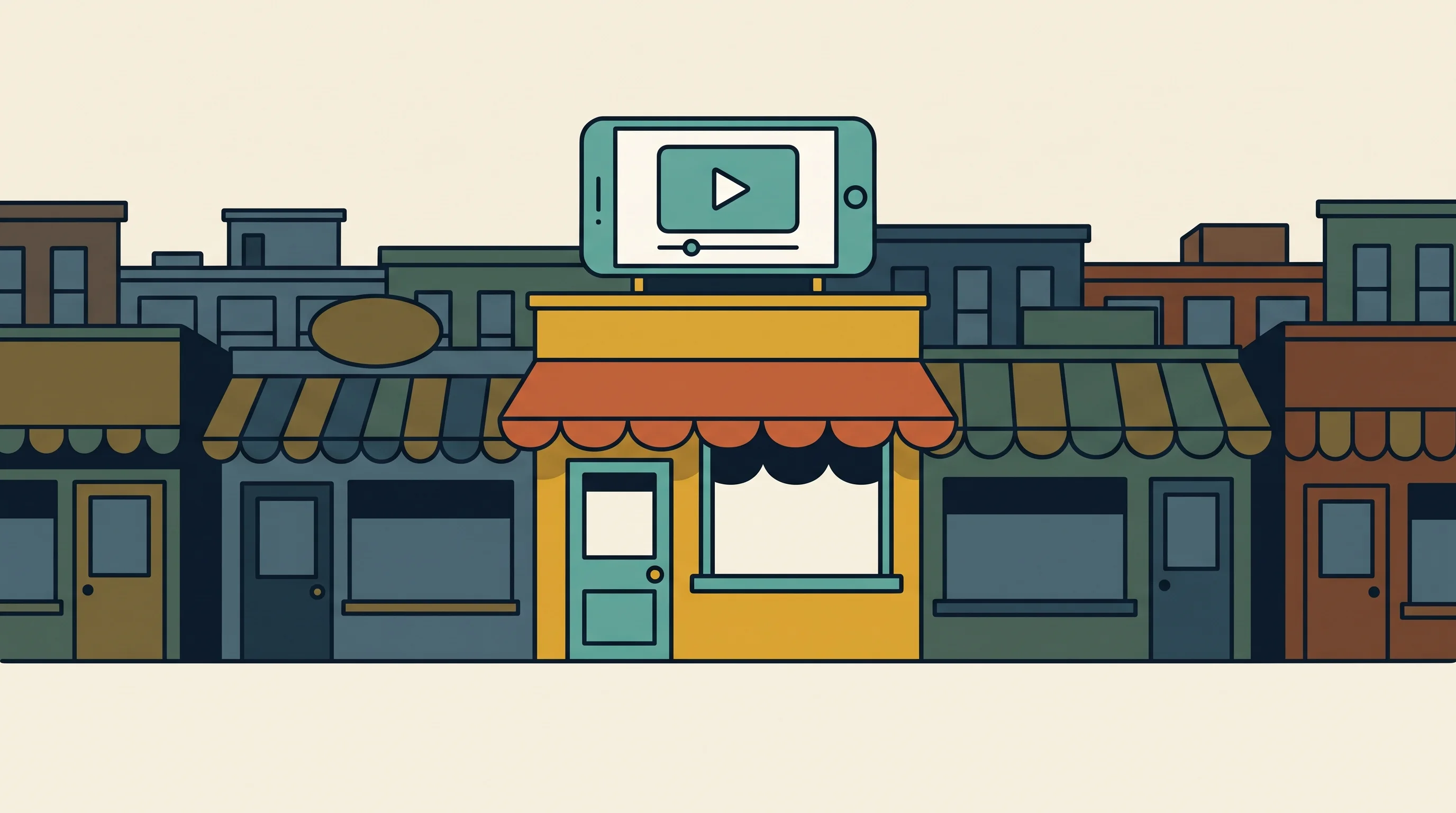
TryNearby's differentiation hinges on automation—the promise that restaurants won't chase creators or negotiate terms or track deliverables. Whether that advantage proves durable depends partly on how quickly competitors integrate similar AI tools, and partly on whether the creator economy's labor economics shift as more platforms commoditize influencer access.
For now, the company operates exclusively in Southern California, recruiting creators through a public portal. Expansion plans remain unannounced. The startup can be reached at [email protected] for restaurants interested in the service, or curious creators wondering if their neighborhood food takes might finally pay for dinner and then some.


