

The pitch video shows a wheeled robot gliding through what looks like a nursing home corridor, steadying a resident as she shuffles toward the dining room. Later, the same machine sits beside a gray-haired man, apparently mid-conversation. It's feeding someone. It's fetching a dropped cane. And through it all, according to the San Francisco startup behind it, the robot isn't just doing chores—it's keeping people company.
Twolabs, which recently graduated from Y Combinator, introduced Tobi in late May with a straightforward bet: that the future of eldercare belongs to machines capable of both heavy lifting and light conversation. Not one or the other, but both simultaneously. That's a harder needle to thread than it sounds.
The robotics market tends to bifurcate. You get utilitarian workhorses—machines designed to fetch, carry, monitor—or you get social companions with limited practical function. What you rarely get is something that can help an 82-year-old woman button her cardigan in the morning and then stick around to chat about her grandchildren. Twolabs thinks that combination is exactly what nursing homes need.
Whether they're right depends on questions the company hasn't fully answered yet: how much it costs, whether it actually works in chaotic real-world care settings, and if facilities running on razor-thin margins can justify the expense.
The Robot's Resume
Tobi's capabilities, as Twolabs describes them, fall into three categories. First comes what the industry calls activities of daily living—the mundane, time-consuming tasks nursing assistants perform dozens of times per shift. Feeding assistance. Medication reminders. Help getting dressed. Retrieving objects that residents drop or can't reach.
Then there's mobility support. The robot provides stabilization when residents walk (a significant fall-prevention concern in facilities) and helps with wayfinding, which matters more than it might sound when dealing with residents experiencing cognitive decline.
The third bucket is where things get interesting, or potentially messy. Twolabs calls it "social intelligence," built atop vision-language-action models the company is actively training. The idea is that eldercare doesn't just need functional robots—it needs machines residents actually want to be around. That means conversation. It means recognizing faces, remembering preferences, picking up emotional cues. All notoriously difficult to execute well.
The founders articulate this as a gap in the current market: most robots, they argue, are either useful but not social, or social but not useful. It's a clean framing, though delivering on both fronts has proven elusive for plenty of robotics companies before them.
Tobi's design leans semi-humanoid rather than fully bipedal. That's probably a pragmatic choice—wheels instead of legs means better stability, lower costs, and fewer catastrophic failure modes around vulnerable populations. The company hasn't released detailed hardware specifications, pricing tiers, or service model structures. The launch materials offer glimpses of industrial design but leave sensors, degrees of freedom, and safety certifications unspecified for now.
Cornell to Meta to Y Combinator
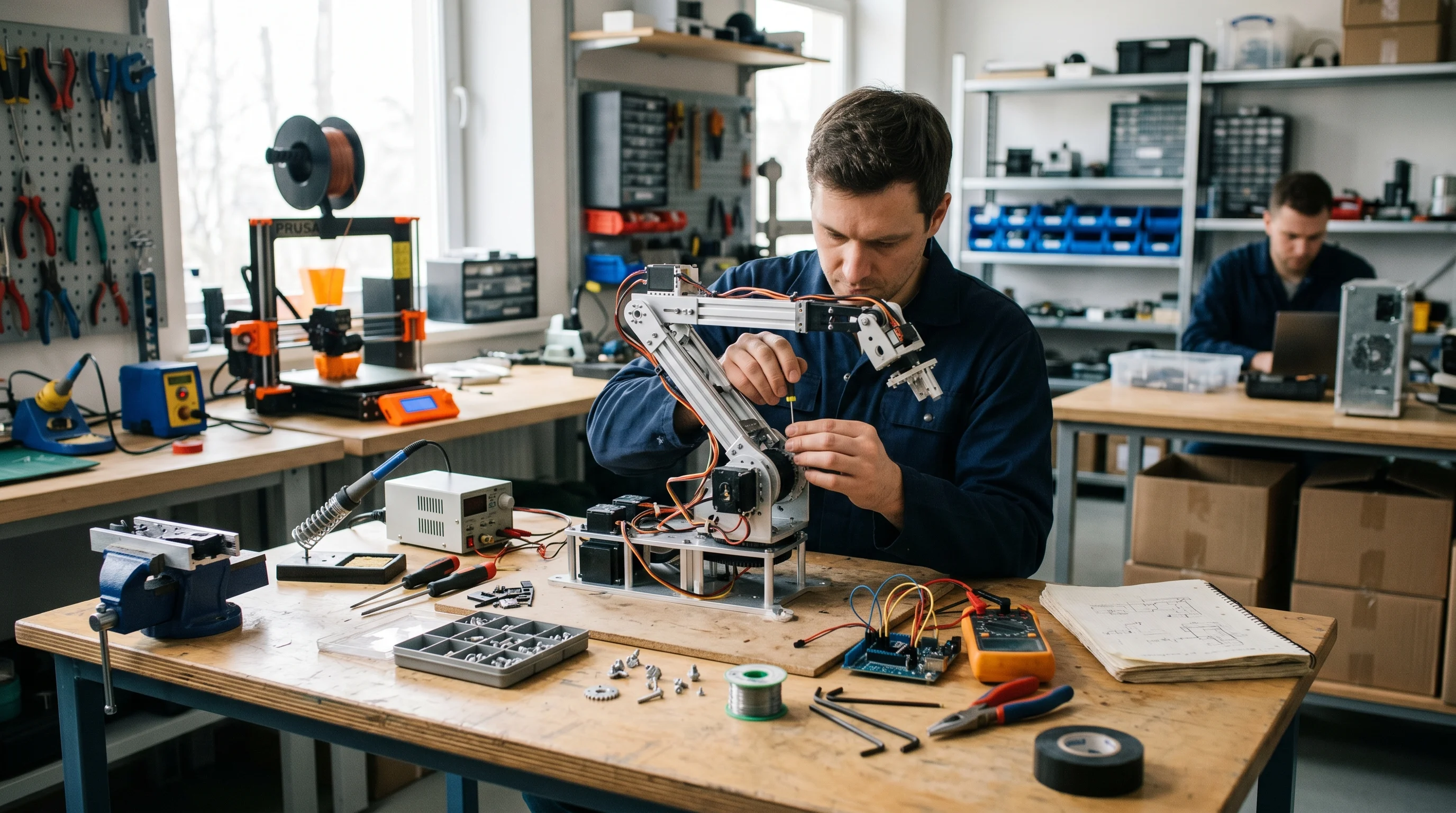
CEO Sardor Rahmatulloev brings an unusual pedigree. At Cornell, he was part of a 40-plus-engineer autonomous combat robotics team that earned national rankings—the kind of high-pressure, hardware-intensive work that teaches you how things break. He then spent time at Meta's Superintelligence Labs before deciding to leave and build Twolabs. Y Combinator's launch materials note he's the first Uzbek founder to join the accelerator, a detail that perhaps matters more than it might initially seem in an industry still working through representation issues.
Co-founder and CTO Danyal Ahmad previously worked on Salesforce's technical staff and holds a master's in artificial intelligence from Georgia Tech, where he focused on fine-tuning video models—relevant experience for a robot that needs to understand complex visual environments in real time.
The advisory roster suggests the founders understand the importance of domain expertise. Professor Zackory Erickson from Carnegie Mellon's Robotics Institute brings direct research experience in physically assistive healthcare robotics through CMU's RCHI Lab. Rahmatulloev's Cornell connections also brought in Professor Tapomayukh Bhattacharjee, who runs the EmPRISE Lab researching robotic caregiving tasks like feeding and bathing. These aren't decorative advisors—they're researchers actively working on the exact problems Twolabs is trying to solve commercially.
Why the Timing Matters
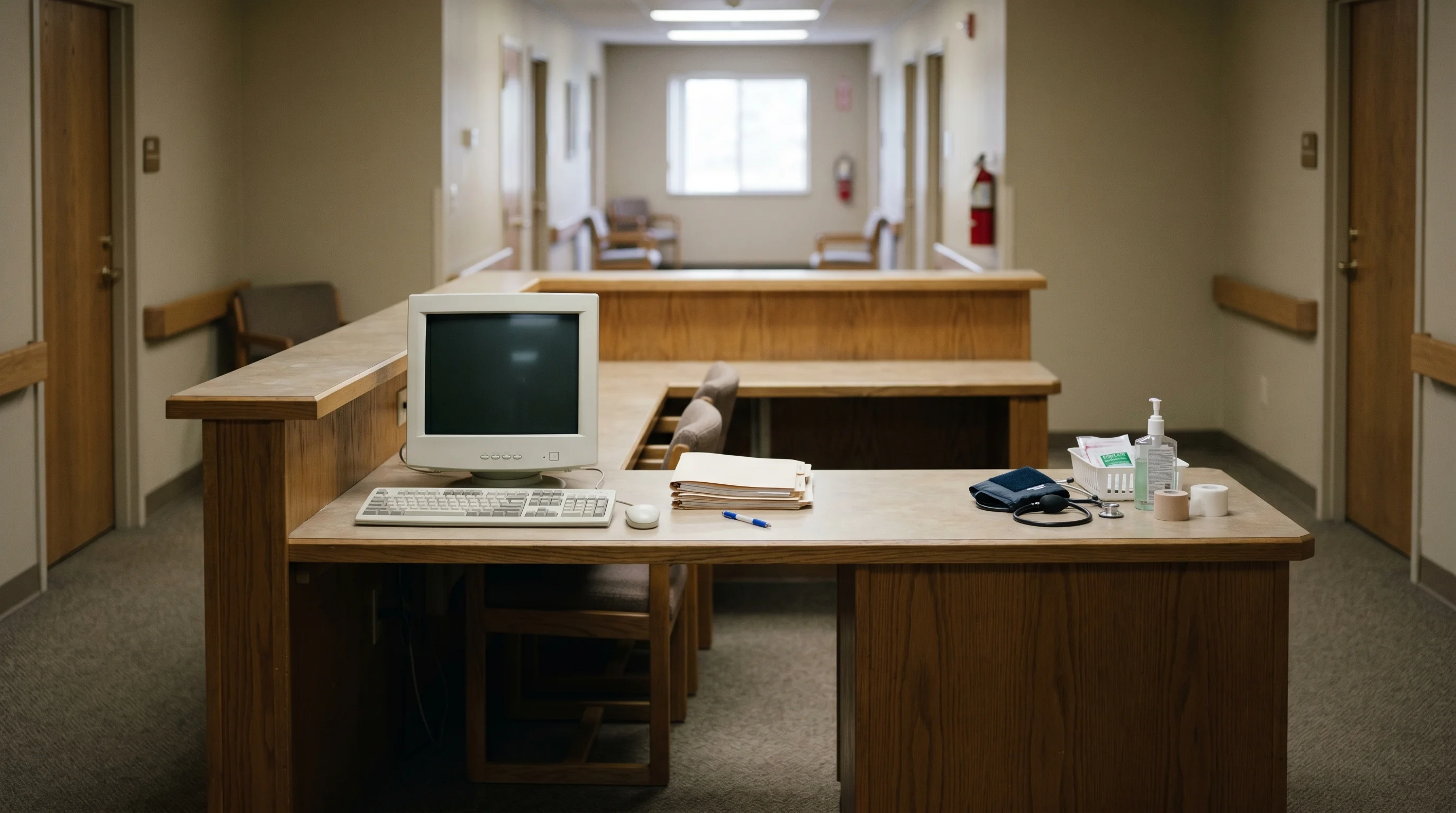
The long-term care industry is buckling. Nursing assistant median annual wages were $39,530 as of May 2024, according to Bureau of Labor Statistics data—a figure that doesn't capture the fully-loaded cost facilities pay when factoring benefits and overhead, nor the reality that many workers can earn comparable wages in less physically and emotionally demanding jobs.
Staffing minimums remain a live policy debate, with ongoing regulatory attention to a crisis that predates the pandemic but has accelerated dramatically since. Meanwhile, AARP's March 2026 report quantified unpaid family caregiving at over $1 trillion annually, based on 59 million caregivers providing nearly 50 billion hours of care. That's the economic backdrop—a system under demographic pressure with too few professional caregivers and families stretched beyond sustainable limits.
Globally, eldercare robotics experimentation is accelerating, not slowing. China launched a national elderly-care robot pilot program in mid-2025. Japan continues expanding adoption across multiple contexts. Even domestically, social companion devices like Intuition Robotics' ElliQ recently expanded into Washington state's Medicaid program. Aeolus Robotics announced an eldercare-focused collaboration with Advantech just a day before Twolabs went public. The market is moving.
What Twolabs Isn't Saying Yet
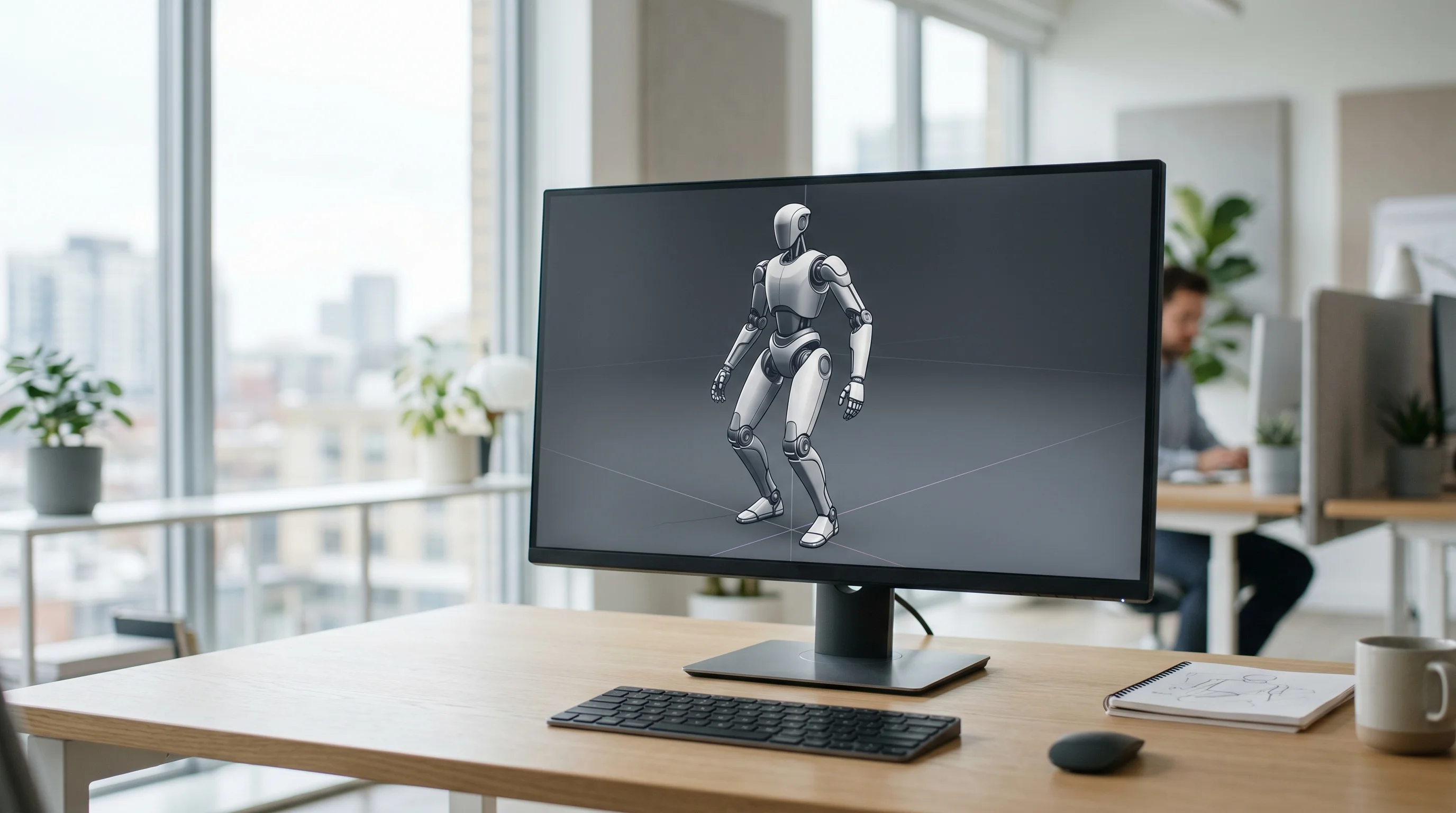
The company describes its current status as "prototype design completed" with AI stack development underway. That phrasing matters. It suggests no paying customers yet. No pilot deployments in actual nursing homes with actual residents. Launch materials don't name facility operators or senior living communities. There's no public disclosure of clinical validations or safety certifications—the regulatory gauntlet every healthcare-adjacent robot must eventually run.
Funding details remain vague beyond the standard Y Combinator deal structure, which typically involves $500,000 in exchange for 7% equity plus additional capital through an uncapped SAFE. Twolabs hasn't separately disclosed terms, but as a recent batch member, it likely follows that framework or something close to it.
What the company does have is positioning in a market segment others have found frustratingly difficult. Eldercare demands reliability and emotional intelligence simultaneously. Hardware must be demonstrably safe around vulnerable populations. Software needs to handle the messy, unpredictable nature of human beings having bad days, good days, confused days. And the business model has to pencil out for facilities operating on margins that make grocery stores look profitable.
None of that is trivial.
Rahmatulloev and Ahmad are betting they can deliver useful and social simultaneously—and do it at a price nursing homes can actually afford. The prototype exists. The advisors bring relevant expertise. The market need is undeniable.
Now comes the substantially harder part: proving it works where it matters, with real residents who need real help in facilities that can't afford expensive experiments. Whether Tobi can thread that needle remains very much an open question. But at minimum, Twolabs is asking the right one.


