

Last spring, Wayhome closed an £8 million (approximately $10 million) Series A with a straightforward pitch: scale Gradual Homeownership, a 5% deposit model designed to help first-time buyers dodge traditional mortgages. As of 2026, that product no longer exists.
The London-based fintech now markets something called Deposit Bridge instead—a fundamentally different proposition. One percent upfront. No equity accumulation during a five-year term. An option to buy at a 10% discount when time's up. The company hasn't said why it retired the model it explicitly raised capital to expand, which raises an obvious question: what happened between the fundraise and now?
The silence is conspicuous, perhaps more than Wayhome intended. In a sector obsessed with affordability rhetoric but conspicuously short on scalable solutions, the gap between what was promised and what materialized tells its own story.
The Original Bet
Wayhome announced the Series A between April 27-28, 2023. Allianz X and Augmentum Fintech returned as backers, joined by Volution, Love Ventures, and Cur8 Capital. The round followed a £10 million seed in 2018 and a Seedrs crowdfunding campaign in 2022 that reportedly pulled in over £3 million from more than 250 retail investors. Valuation? Undisclosed.
CEO and co-founder Nigel Purves positioned the capital as a path to breakeven. The plan was ambitious: double annual property purchases from £100 million to £200 million within twelve months, deepen broker and lender partnerships, and push into a market where England's median house-price-to-income ratio stood around 8.6 in FYE 2023.
Gradual Homeownership was the vehicle. Buyers put down 5%. Institutional partners—primarily pension funds channeled through Allianz Global Investors—covered the rest. Customers paid rent on the unowned portion and could gradually staircase their equity share upward over time. Wayhome marketed it as mortgage-free entry with no credit checks, letting buyers purchase properties worth up to ten times household income. The model carried Sharia compliance certification, explicitly targeting Muslim buyers locked out of interest-based lending.
It sounded, on paper at least, like a genuine alternative.
What Customers Get Now
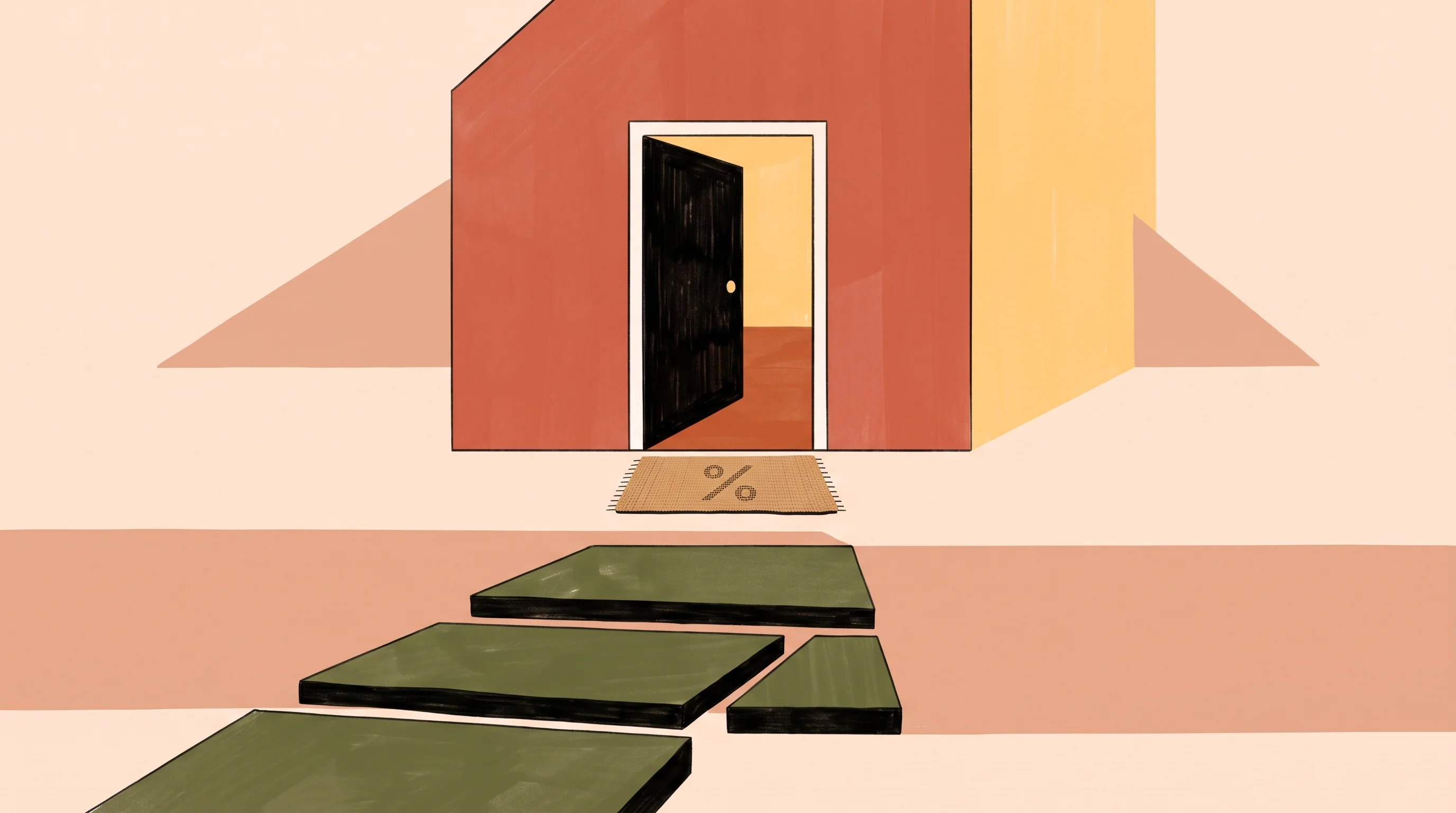
By this year, Gradual Homeownership had been retired. The company's website is matter-of-fact about it. The replacement, Deposit Bridge, works differently—arguably simpler, certainly less equity-focused.
Customers move in with a 1% purchase option fee. They make fixed monthly payments for five years. At the end of the term, they can exercise an option to buy the property at a 10% discount, which some lenders will recognize as a deposit. During that five-year window, the home is owned by a funding partner. The customer does not build equity.
The disclosures are unusually blunt. "No FCA or Financial Ombudsman Service protections" apply to the LLP interests structuring these arrangements. Unmortgage Arrangers Ltd, the group entity with FCA authorization, is licensed only for arranging and administering insurance. "No other aspect of the group's business is within the scope of financial services regulation," the fine print states.
Wayhome hasn't published metrics on Deposit Bridge uptake. It hasn't confirmed whether the £200 million annual deployment target from 2023 was met, or even approached. The company's LinkedIn profile lists between 51 and 200 employees, though no verified headcount exists. The institutional funding structure—roughly £75 million in pension fund equity capital referenced in materials from 2021 to 2023—hasn't been updated publicly since then.
Reading the Tea Leaves

Retiring a product after raising venture capital specifically to scale it is rarely a sign things went according to plan. Without direct statements from the company, observers are left to speculate: unit economics that didn't pencil out, regulatory friction, institutional funding partners losing appetite, customer adoption falling short of forecasts—some combination of the above.
Wayhome has offered no public explanation. None of its investors have commented on the record either, which is telling in its own way.
The broader mortgage-alternative landscape in the UK remains stubbornly fragmented. StrideUp offers a Home Purchase Plan built on diminishing Musharakah principles. Gatehouse Bank and others provide Islamic finance structures. Keyzy operates rent-to-own models. None have achieved the kind of scale that would make a visible dent in the affordability crisis, and most remain tightly constrained by the institutional capital willing to underwrite non-standard homeownership products.
Wayhome's pivot to Deposit Bridge might reflect a deliberate recalibration—toward a simpler, lower-touch product with less regulatory exposure and easier institutional appetite. Or it could be a pivot born of necessity, a Plan B when Plan A didn't survive contact with the market. Either way, the distance between the 2023 pitch and the current reality is difficult to square.
Lessons in Execution
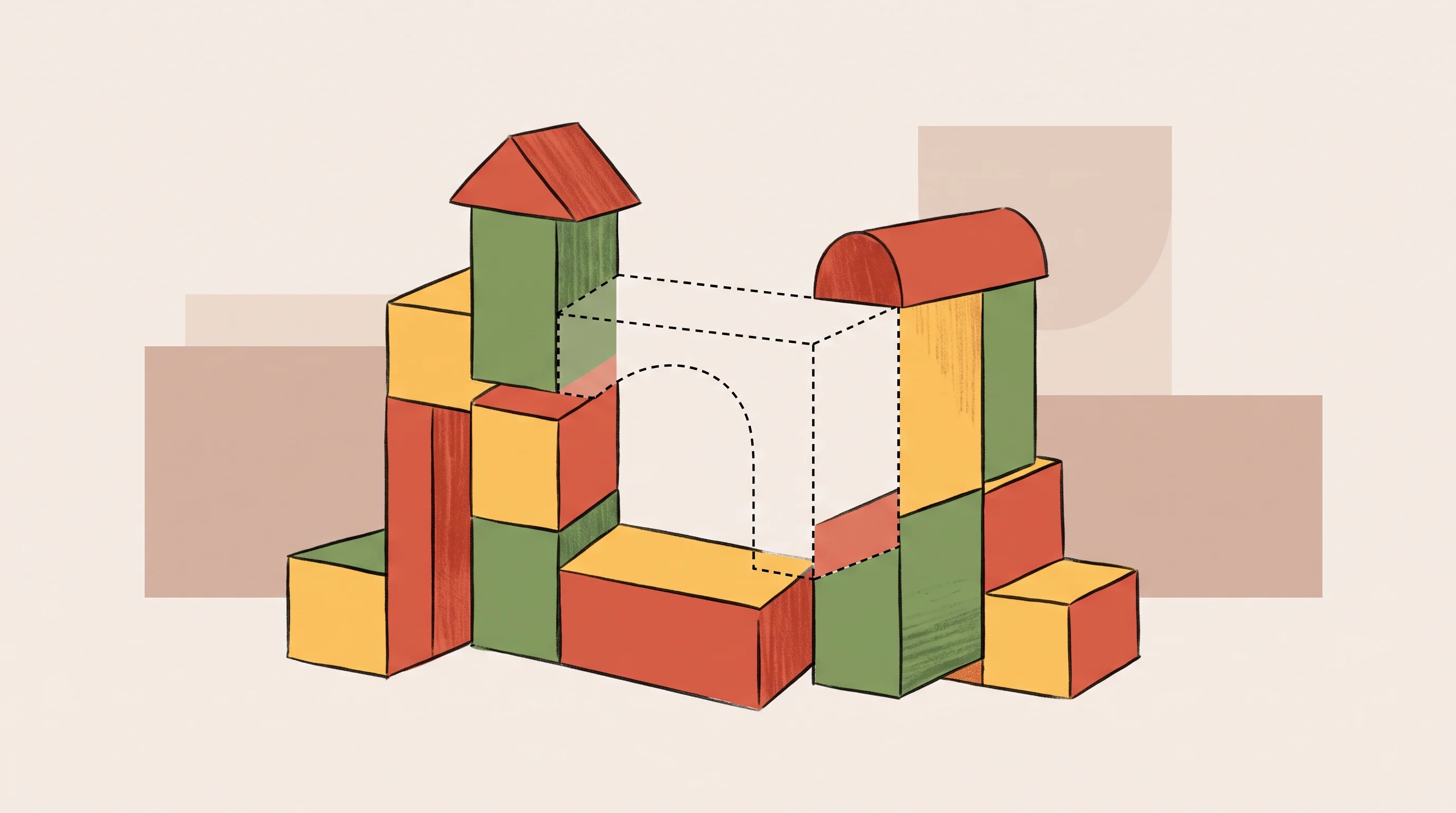
For founders working in proptech or alternative finance, Wayhome's arc offers something instructive. Raising capital on one model and then quietly retiring it without public explanation—three years later—leaves investors, customers, and the broader market to fill in the blanks themselves. The company still operates, still has institutional backing, still serves buyers who can't access traditional mortgages. But the stated ambition to double deployment and crack the homeownership problem at scale has, at minimum, been substantially reframed.
Whether Deposit Bridge proves more durable than Gradual Homeownership hinges on factors Wayhome hasn't disclosed: customer-level economics, institutional appetite for the revised structure, whether the regulatory light touch it currently enjoys remains sustainable. For now, what's visible is adjustment rather than triumph.
It's a reminder, if one were needed, that even well-funded attempts to reshape housing finance collide with realities that venture capital and good intentions can't easily override. The market talks endlessly about affordability. Building something that actually scales? That's proven considerably harder.


