

In a WeWork office tower in Bengaluru's tech corridor, a small agricultural technology startup is making a contrarian bet. While most agtech ventures chase connectivity—sensors, satellite imagery, cloud computing—AgriVision AI is building for farmers who have none of those things.
The company's pitch centers on a voice-enabled crop advisory app that works entirely offline, without internet access. For a country where network coverage still flickers in and out across vast rural stretches, it's not an unreasonable premise. Whether it's a viable business is another question entirely.
AgriVision AI, operating through its registered entity Nutriyo Agro Foods Pvt Ltd, says it is raising what it calls a Pre-Series A round of ₹20 crore—roughly $2.4 million. According to the company's LinkedIn presence, an ₹8.4 crore first tranche was open as of mid-2026, though fundraising timelines in this market have a way of stretching.
The Offline Thesis
The app itself offers the familiar menu of agtech features: crop disease detection, pest identification, live market prices, weather alerts, spray timing. What sets it apart, the founders argue, is delivery. Everything runs on-device, accessible through voice commands in Hindi, Telugu, Kannada, and Tamil—no data connection required.
AgriVision AI claims its AI diagnostic tools hit 85-95% accuracy, validated by ICAR-IARI, India's premier agricultural research institute, though independent verification of these figures remains elusive. The company's website displays real-time counters: 482 farmers helped, 1,240 pieces of advice dispensed, a 96% success rate. These are self-reported figures, naturally.
Perhaps more telling: the Google Play listing for "AgriVision AI: Crop Doctor" shows just over 100 downloads, last updated on July 1. For a platform positioning itself as a solution for India's vast smallholder farming population—some 86% of the country's operational holdings, according to government census data—it's a modest footprint. The company itself reports 300 paying farmers and monthly recurring revenue of ₹40,000, figures that are self-reported and not independently verified. Early traction mode, in venture parlance.
Distribution Through FPOs
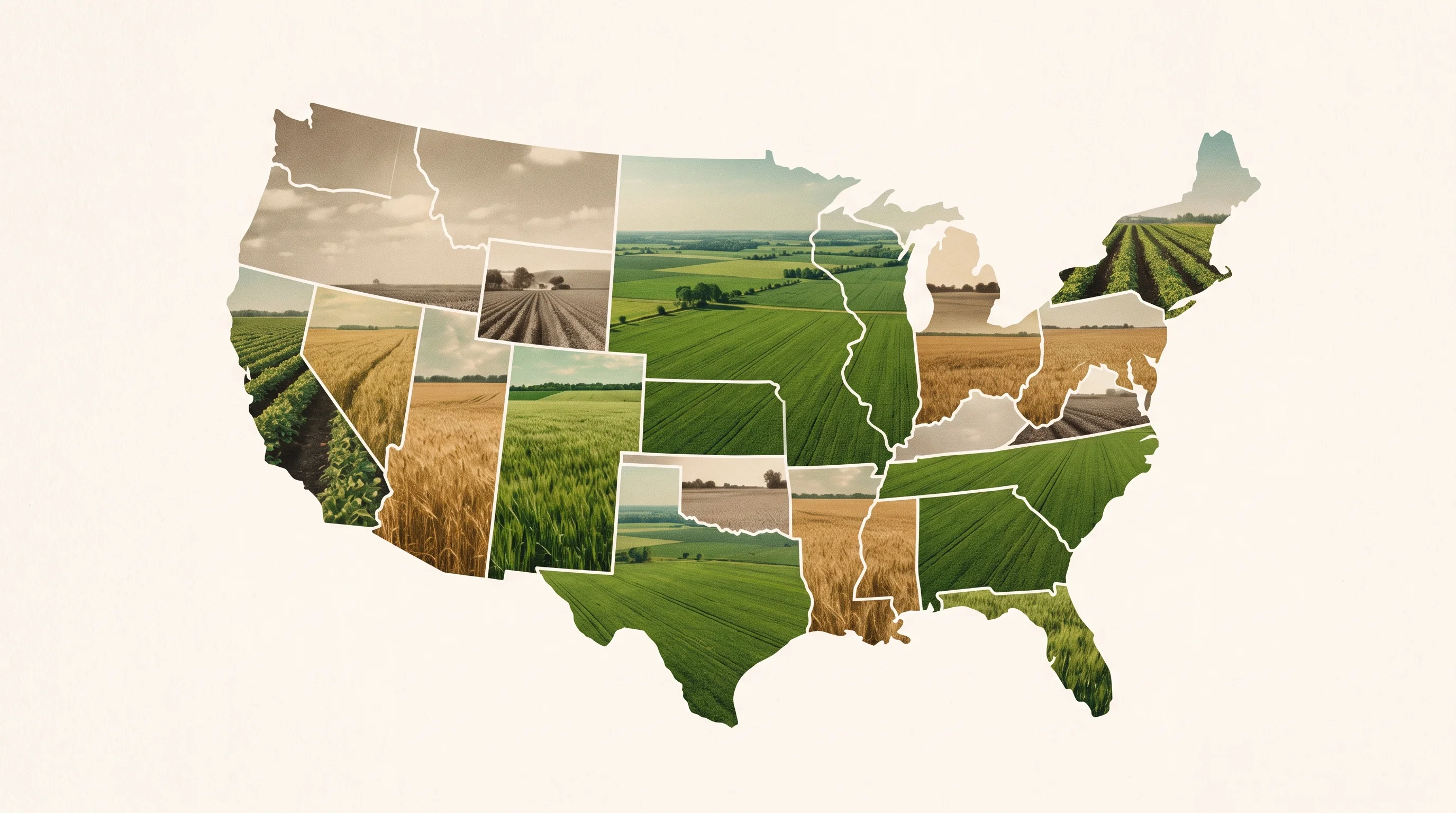
Here's where the strategy gets more interesting. Rather than chase individual farmers directly—a notoriously expensive proposition in rural markets—AgriVision AI is routing through Farmer Producer Organizations. The company says it's working with six FPOs across four states, a distribution model it claims yields a customer acquisition cost of just ₹102. Industry benchmarks typically run ₹200-600, sometimes higher.
The app reportedly costs ₹365 annually. One rupee per day—a pricing frame that's become almost cliché in rural India, but one that still resonates. Whether FPOs can sustain that distribution engine at scale is the experiment AgriVision AI is running.
The company was incorporated in July 2022, registered in Andhra Pradesh with directors including Venkateswara Raju Konduru and Yallamraju Lakshmi Prasanna. It describes itself as "100% founder-owned" and lists between 11 and 50 employees on LinkedIn. The startup also claims a ₹15 lakh grant from the Pusa Krishi program run by ICAR-IARI, though no public verification of this grant has been found—a detail that invites questions, if not immediate skepticism.
Crowded Terrain
The timing is both opportune and challenging. India's agricultural AI sector is having something of a moment. ICAR launched Bharat-VISTAAR in February 2026, a multilingual AI advisory platform rolled out across its network of research institutes. That same month, Andhra Pradesh's agriculture department inked a deal with Wadhwani AI for crop management tools. In May, ICAR partnered with AgroStar to scale AI-led advisory services.
Meanwhile, venture-backed competitors are pushing into similar territory. BharatAgri raised a $6.5 million Series A in 2021; Arya.ag, a larger agri-commerce platform, secured ₹725 crore in equity funding earlier this year. The landscape is filling up.
AgriVision AI's differentiator—offline-first functionality, FPO distribution—represents a specific theory about how to reach India's most resource-constrained farmers. It's a segment that remains underserved despite the proliferation of agtech platforms, perhaps because it's difficult to serve profitably.
The FAO estimates that up to 40% of global crop production is lost to pests annually, a figure that gets cited often when making the case for precision agriculture. But knowing the problem and solving it economically are different challenges.
The Road Ahead
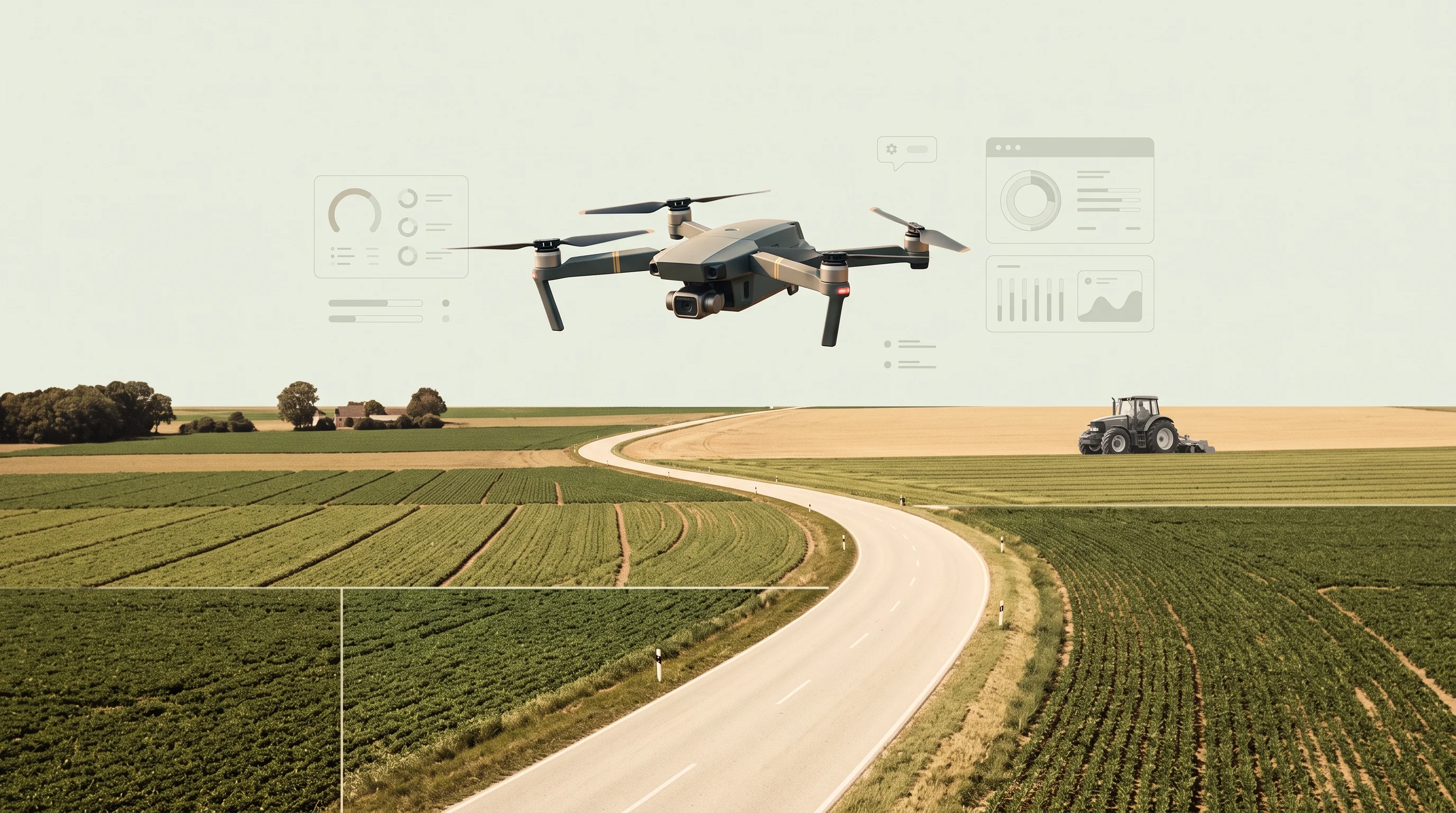
The company's roadmap includes an FPO coordinator dashboard, a "Kisan Kart" marketplace, and a farm mechanization booking feature for tractors, drones, harvesters. Ambitious, though most early-stage startups are. What matters is execution—and whether paying farmers actually want these features badly enough to renew subscriptions.
As AgriVision AI works to close its current fundraising round, it faces the fundamental questions every agtech venture must answer: Can you reach the last mile? Can you do it at a unit cost that makes sense? And can you build something farmers will pay for, year after year?
The founders think offline is the answer. The market will tell them if they're right.


