

Walk into the Crowne Plaza at Singapore's Changi Airport these days and you might find yourself asking a robot for directions. Two sleek kiosks—machines Amity Robotics calls ARC Base units—stand ready to field questions in dozens of languages, no coffee breaks required.
It's a modest deployment, but the Bangkok-based startup behind those kiosks thinks this kind of physical AI has moved past the curiosity phase. On July 1–2, Amity Robotics announced it had closed a $7 million seed round, structured as a mix of equity and debt, to prove that thesis across more properties and, eventually, with robots that can actually move.
East Ventures led the equity portion of the round, with 500 Global joining in. AlteriQ Global handled the debt component—a financing structure that suggests investors wanted some downside protection even as they backed the two-year-old company's expansion plans.
A Familiar Name Behind the Hardware
Amity Robotics isn't exactly starting from scratch. The company is a sister entity to Amity, the AI software group that's pulled in $160 million over the past two years and opened an AI Research & Application Center in Singapore with its Series D announcement in April. That pedigree—and the operational muscle of the parent company—gives the robotics spinout credibility that most seed-stage hardware startups lack.
Still, conversational AI kiosks aren't exactly uncharted territory. Airports and quick-service restaurants have been experimenting with them for years, often with mixed results. What Amity Robotics is wagering on is a combination of better language models, more patient hospitality clients, and a regional footprint that spans Southeast Asia to the Middle East.
The company says it's now operating in 30-plus properties across seven markets: Singapore, the UAE, Saudi Arabia, Hong Kong, Thailand, Malaysia, and Indonesia. Its first European installation is scheduled for later this month, though the company declined to name the property.
Retail and Hospitality Clients—Real Ones

The client list reads like a who's-who of premium retail and hotel operators in the region. On the retail side, Amity Robotics has deployed kiosks at properties managed by Siam Piwat—the group behind Bangkok's Siam Paragon and ICONSIAM malls—as well as The Mall Group, Pavilion Kuala Lumpur, and Pacific Place Jakarta.
In hospitality, the company's units are running in hotels operated by IHG, Accor, and Shangri-La. These aren't pilots, exactly, though it's unclear how many properties within each chain are actually using the technology. The company was light on specifics when it came to total unit counts or contractual commitments.
"Physical AI is ready for real commercial deployment, not just pilots," Lionel Chin, Amity Robotics' chief operating officer, said in a statement. Perhaps. But the gap between a handful of deployments and true commercial scale remains wide, especially for a company that's barely two years old.
The ARC Base kiosks handle multilingual voice interactions—wayfinding, property information, guest service queries. Amity Robotics claims its systems support more than 40 languages and run continuously without human supervision, though anyone who's spent time with voice AI knows "continuously" can mean a lot of things depending on how you define operational uptime.
A Mobile Robot Is Coming (Eventually)
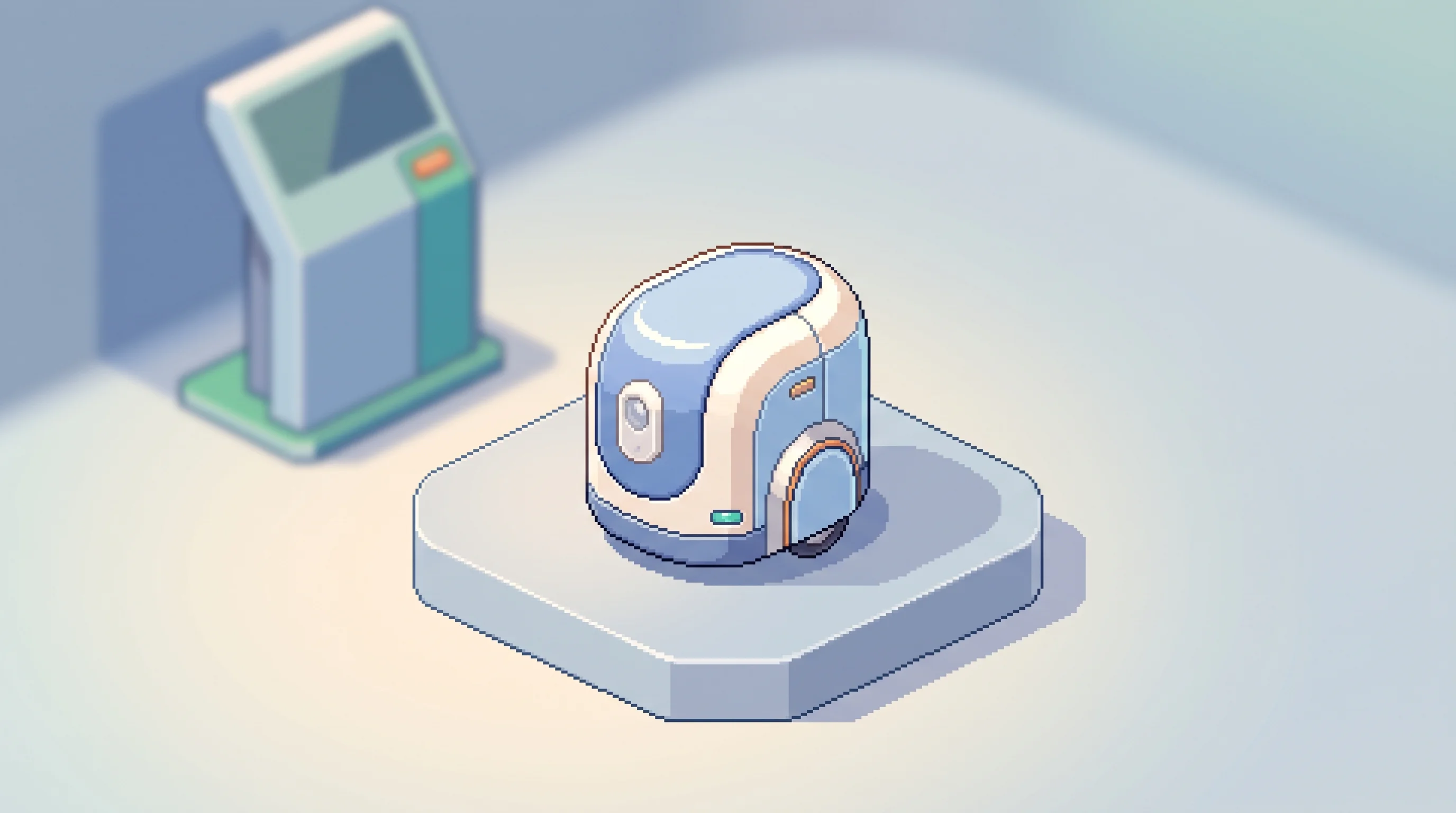
With the fresh capital, Amity Robotics plans to push its existing kiosk product deeper into current markets while also commercializing ARC Move, its first mobile robot. Details on ARC Move are thin—no technical specs, no deployment timeline, no indication of what tasks the mobile unit is designed to handle or whether it's aimed at the same hospitality and retail clients.
Mobile robotics is a trickier business than stationary kiosks. Navigation in crowded malls and hotel lobbies introduces complexity that voice interfaces alone don't have to grapple with. And competition in the space is heating up, with companies like Savioke, Relay Robotics, and a host of Chinese manufacturers already operating in similar environments.
Korawad Chearavanont, chairman of Amity Robotics and founder of the parent Amity group, framed the funding round as a step toward building "a world-class physical AI company from Thailand/SEA." It's an ambitious goal for a region that's produced relatively few breakout robotics companies, though the venture capital appetite for Southeast Asian startups has grown considerably in the past few years.
What $7 Million Gets You

The seed capital will go toward expanding deployments of the ARC Base product, rolling out ARC Move commercially, and scaling operations to support international growth. The company didn't disclose how much of the round was equity versus debt, which leaves some questions about how much runway Amity Robotics actually has and what kind of revenue expectations are baked into the debt terms.
Amity Robotics currently employs between 11 and 50 people, according to LinkedIn data from late June, with headquarters listed in Bangkok. The broader Amity organization, meanwhile, is gearing up for a potential 2027 IPO after closing a $100 million Series D in April. Whether the robotics arm eventually rolls into that public offering or remains a separate entity is anyone's guess at this point.
For now, Amity Robotics is betting that hotels and malls are ready to let machines handle the kind of routine interactions that have traditionally required a human concierge or information desk attendant. If the kiosks work as advertised—and if ARC Move can navigate a crowded ICONSIAM without causing a scene—the company might be onto something. But physical AI is littered with promising demos that never quite made it to full-scale deployment, and $7 million only goes so far when you're building hardware.


