

A Singapore spinout is betting that solid-state transformers can crack the electricity bottleneck strangling data center growth—if it can scale fast enough.
Gary Lawrence spent decades at Schneider Electric watching power infrastructure move at geological speed. Permits took years. Equipment delivery stretched even longer. Then came the AI boom, and suddenly every hyperscaler on the planet needed electricity yesterday.
"The timelines just broke," Lawrence said in a recent interview. "The industry is essentially asking for power on demand in an infrastructure built for five-year planning cycles."
His answer? A medium-voltage transformer that can be installed in roughly 100 days instead of the typical two or three years. On November 18, investors signaled they're buying the pitch: Amperesand, the startup Lawrence now runs as CEO, closed an oversubscribed $80 million Series A led by Walden Catalyst Ventures and Singapore's Temasek.
The round pulled in Industry Ventures, Acclimate Ventures, and SG Growth Capital as new backers, while earlier investors—Xora Innovation, Material Impact, TDK Ventures, and Foothill Ventures—doubled down. Not bad for a company that emerged from Nanyang Technological University just two years ago and raised its $12.45 million seed round only last February.
A Grid Under Siege
The numbers tell a familiar story, though no less alarming for the repetition. Data centers consumed roughly 4.4 percent of U.S. electricity in 2023, according to Lawrence Berkeley National Laboratory research funded by the Department of Energy. By 2028, that figure could balloon to somewhere between 6.7 and 12 percent—a range that reflects both uncertainty and scale.
The surge is wreaking havoc on supply chains already stretched thin. Traditional power transformers now carry average lead times of 120 weeks, per Wood Mackenzie data. Large units? Try 210 weeks, nearly four years. Prices have climbed four to six times over pre-2022 levels, according to analyses from Wood Mackenzie and the North American Electric Reliability Corporation. A 30 percent supply deficit for power transformers is projected for 2025 alone.
Enter solid-state technology. Where conventional transformers rely on copper windings and oil cooling—components that require months of specialized manufacturing—Amperesand's platform uses silicon-carbide power electronics paired with AI-driven software controls. The result, according to the company, is a system that shrinks electrical footprint by more than 80 percent and cuts installation labor in half.
The hardware comes in modular blocks of 2 MW, 4 MW, and 6 MW. Amperesand demonstrated a 6 MW platform in late 2024, though converting demos into reliable commercial units at scale is where many hardware startups stumble.
"The AI revolution is being throttled by power constraints," said Young Sohn, partner at Walden Catalyst, in a statement accompanying the round. It's a line you hear often these days in venture circles. The difference, perhaps, is that Amperesand has actual hardware running on an actual grid.
From Research Lab to Revenue
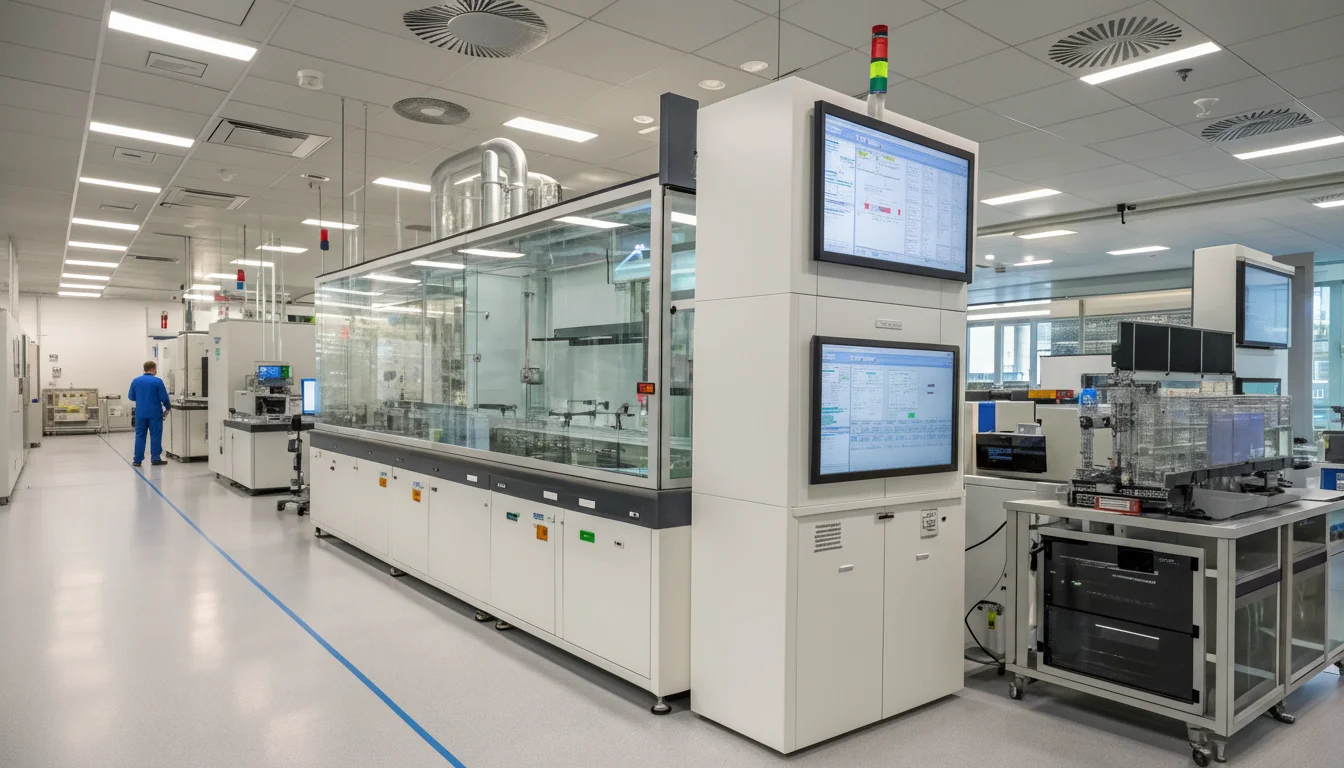
Before spinning out, the founding team—including Chief Product Officer Brian Dow and CTO Tommy Joyner, both Tesla energy veterans—spent seven years at NTU running an R&D program that put a 1.5 MW solid-state transformer onto Singapore's electrical grid. That kind of validation matters when you're asking customers to swap proven (if slow) technology for something new.
The company's first commercial deployment is slated for early 2026: a 30 MW installation starting with the Port of Singapore, where PSA International will pilot the system for fleet charging. Multiple additional pilots focused on hyperscale AI data centers are lined up for the year ahead, though Amperesand declined to name customers.
Proceeds from the Series A will fund engineering and manufacturing expansion across three cities: Singapore, San Francisco, and Reno. The startup currently employs north of 60 people and expects to top 100 by year's end. Phil Inagaki of Xora Innovation, which incubated Amperesand, serves as board chair.
The Make-or-Break Moment
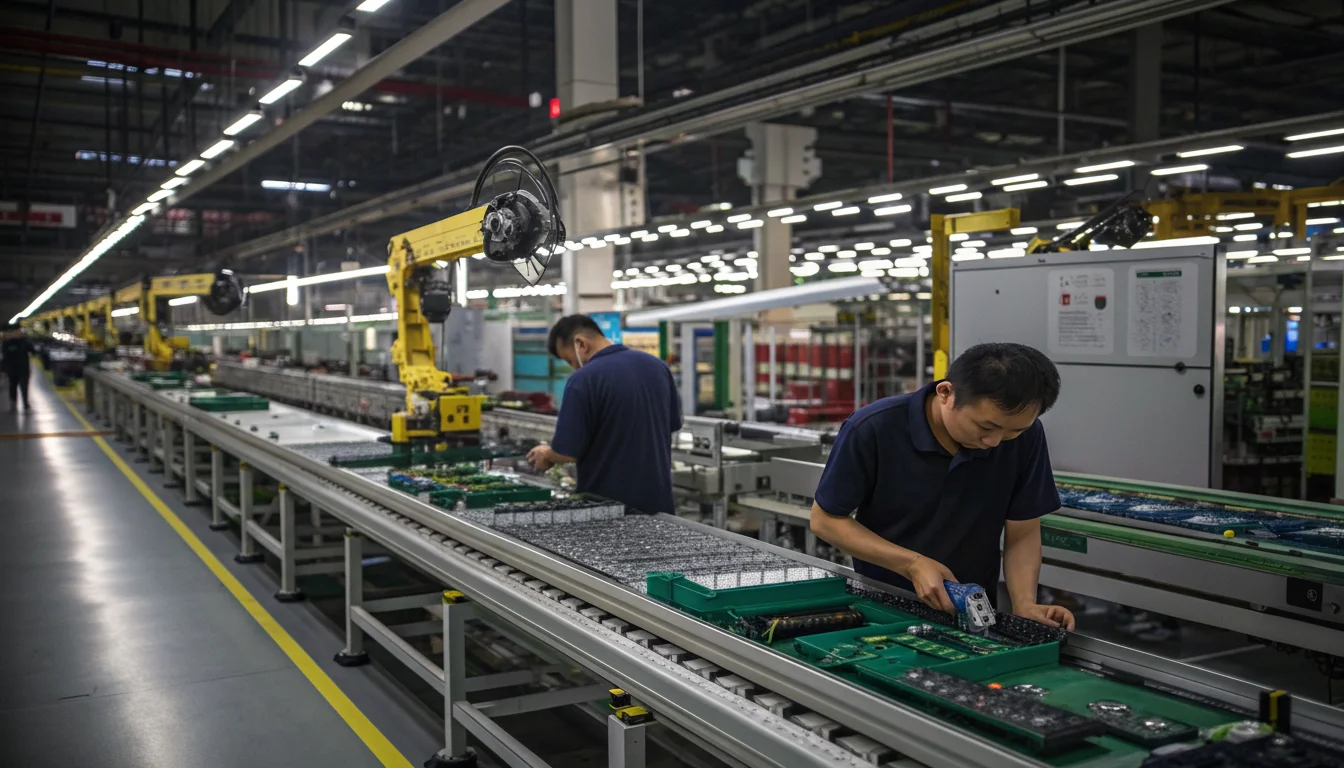
Scaling hardware is brutally hard. Ask any founder who's tried to move from prototype to volume production while maintaining quality and managing cash burn. Amperesand has the advantage of battle-tested executives—Lawrence ran Schneider's global power and grid business—and patient capital in Temasek, which doesn't typically chase quick exits.
Still, the company is racing against both the clock and a crowded field. Traditional manufacturers aren't standing still, and other startups are chasing similar solid-state approaches. The window for capturing hyperscale customers may be wide now, with AI infrastructure spending in full frenzy. But if lead times for conventional transformers normalize or if AI investment cools—two big ifs—the urgency could fade.
For now, though, Amperesand is betting that the laws of physics and the realities of global supply chains will keep working in its favor. In an industry where "fast" usually means years, even a 100-day deployment cycle might qualify as revolutionary.
The question is whether the company can deliver at scale before the rest of the industry catches up. Lawrence, at least, seems confident. He's spent enough time in power infrastructure to know what's possible—and more importantly, what isn't.


