

The pitch sounds simple enough: send household cleaners in reusable pouches instead of throwaway bottles. Return the empties, get them refilled, repeat. Whether that loop can close profitably—and at scale—is the question Bower Collective has been trying to answer since 2020, armed now with £6.6 million in funding and a foothold in both subscription boxes and Whole Foods.
The Somerset-based company's latest capital injection came in February 2025 from the South West Investment Fund, a regional vehicle managed by The FSE Group and backed by the British Business Bank. The amount wasn't disclosed, which is typical for SWIF investments but leaves observers guessing at how much runway Bower has bought itself.
What's clear is that Bower is pushing beyond its direct-to-consumer roots. The SWIF money, according to a UK Business Angels Association release at the time, is earmarked for retail expansion—independent shops, yes, but also supermarket chains. That's a higher-stakes game than mailing pouches to environmentally conscious subscribers.
From Accelerator to Seed Round
Co-founders Nick Torday and Marcus Hill started Bower in 2019, launching commercial operations the following year after graduating from Founders Factory, the Reckitt-backed accelerator. Hill had already sold one sustainable packaging venture, London Bio Packaging, to distribution giant Bunzl. Torday came from the digital consultancy world, working with clients like the UN and WWF.
Their seed round closed in July 2021 at £2.1 million, led by Oxford Capital and Döhler Ventures. The latter is the early-stage arm of a German ingredients company, focused on nutrition and food tech—think plant-based brands and functional beverages. Döhler's portfolio includes Waterdrop and OLIPOP, both playing in adjacent sustainability-minded consumer categories.
Angel investor Dharmash Mistry joined that round as well. At the time, he served as a non-executive director at the British Business Bank, a detail that adds a bit of institutional credibility to the cap table.
Between seed and the SWIF check, Bower ran a Crowdcube campaign in June 2024. The company didn't disclose how much it raised, which makes it difficult to gauge how much of that £6.6 million total came from the crowd versus institutional backers. There was also an Innovate UK grant in 2020, part of a competition called "Designing Sustainable Plastic Solutions," specifically for reusable packaging in home and personal care.
The BowerPack Model
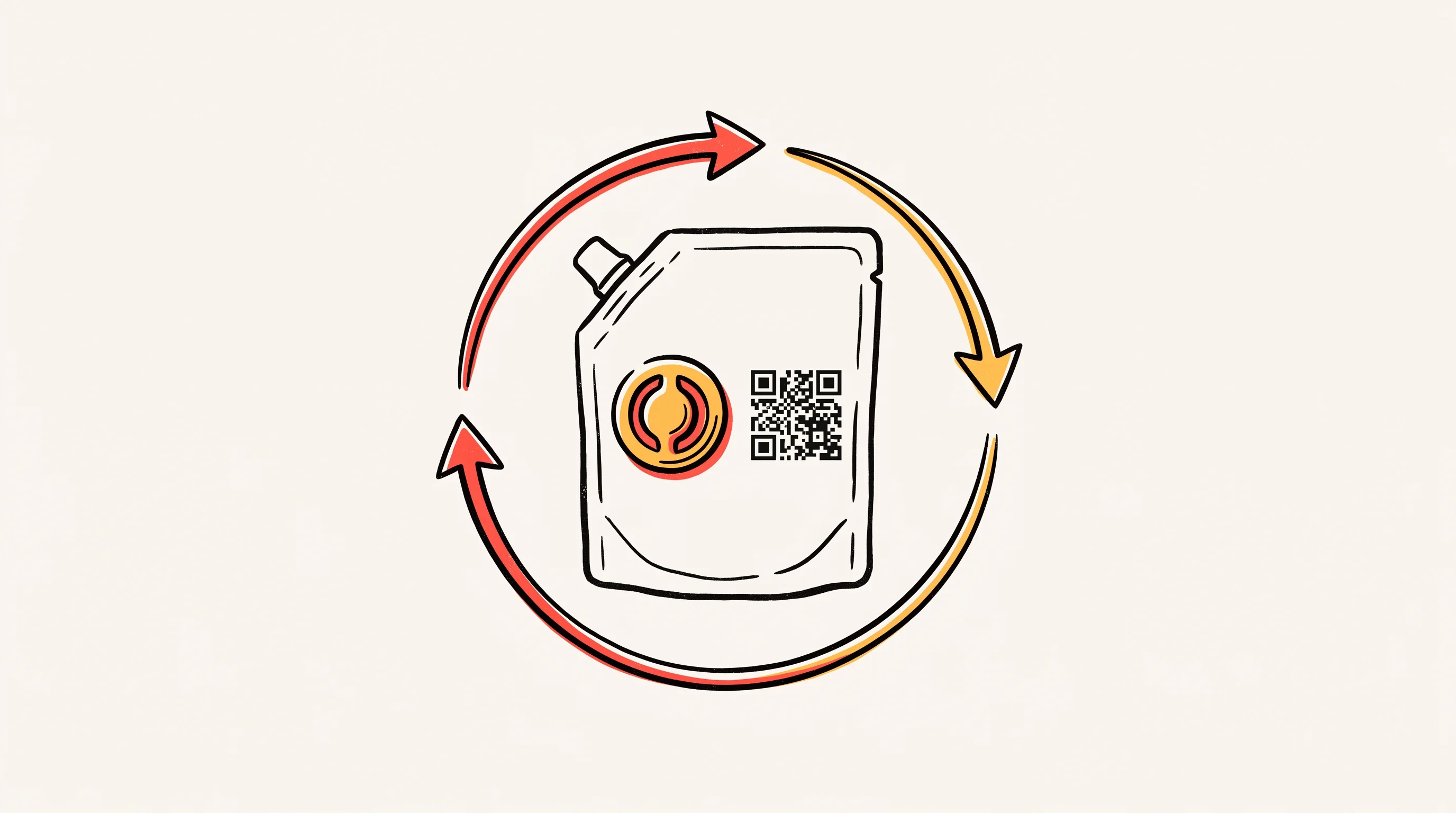
Here's how the system works: Bower sells natural cleaning and personal care products in flexible pouches outfitted with one-way valves and QR codes. Customers use them, send them back, and Bower cleans and refills them. The pouches are designed for multiple cycles before eventual recycling—though exactly how many cycles, and what happens when the materials degrade, isn't spelled out in detail.
Bower claims the system delivers "up to 90% carbon savings" versus single-use packaging, according to the company's own calculations. That figure appears on marketing pages without accompanying lifecycle assessment citations, which is not uncommon for startups but leaves room for skepticism until third-party verification arrives.
Customer numbers are harder to pin down. The company's Crowdcube page from 2024 referenced "over 94,500 customers." Other site copy mentions "100,000+ customers across the UK." Company-provided metrics floating around include "14-15 million single-use plastic bottles saved," but these are self-reported rather than independently audited.
Perhaps more telling: Bower became a Certified B Corporation in November 2021 with an initial score of 98.5, later recertifying at 105.7. The company has also noted that its warehouse operations are now in-house and "95% women-led," a detail that signals attention to labor practices alongside environmental claims.
Retail as the Next Frontier
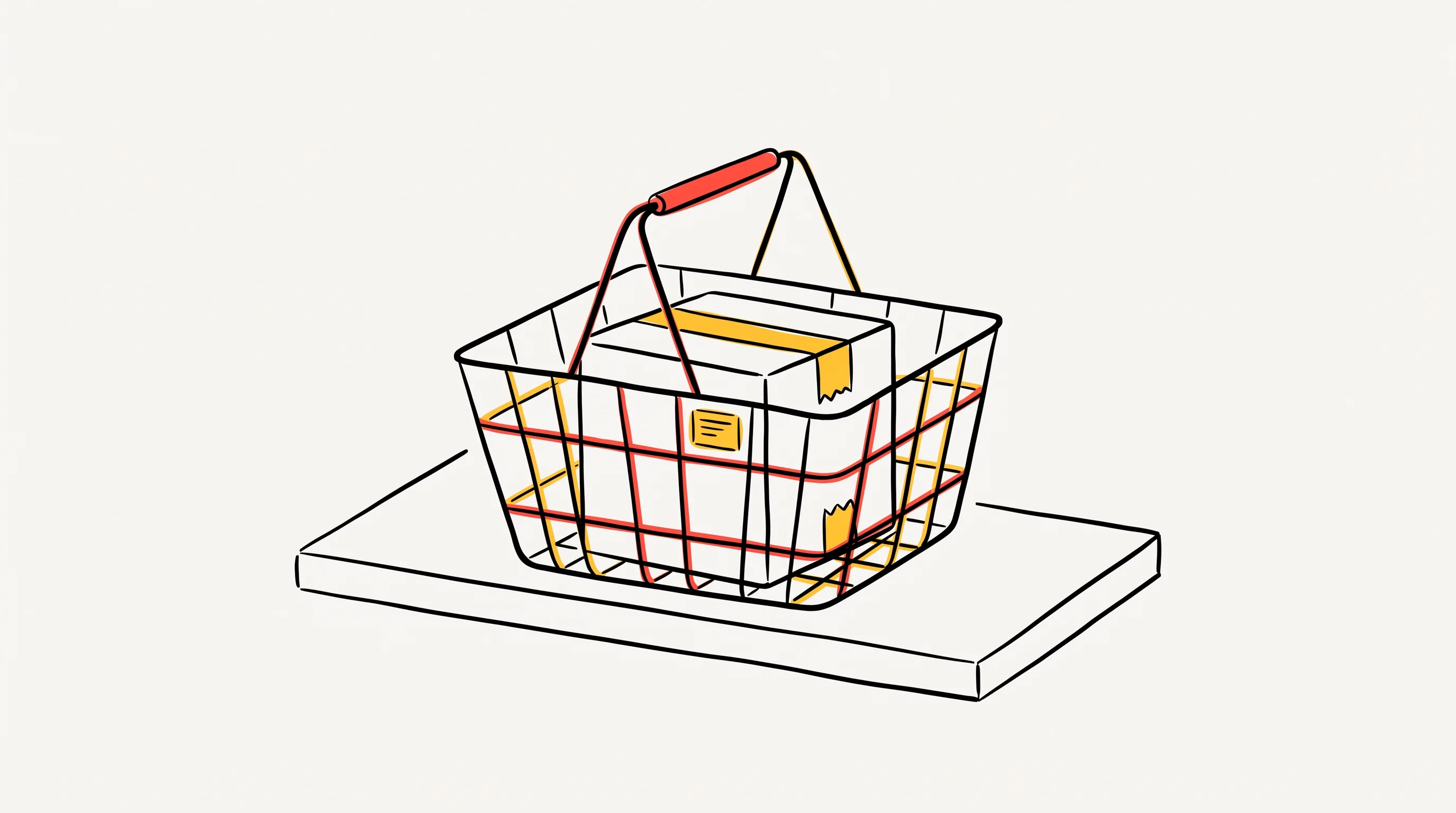
Subscriptions are predictable revenue. Retail is chaos.
Bower is betting it can handle both. The SWIF investment announcement explicitly targeted retail expansion—independents and supermarkets—while also strengthening the subscription base. By early this year, Bower had secured placement in Whole Foods Market South Kensington, a high-visibility slot that could serve as proof of concept for other chains.
The 2021 seed round was tied to packaging innovation and product development. The 2025 money is about distribution.
That shift matters because the economics of reuse change dramatically once you're dealing with retail logistics, shelf space negotiations, and the need to compete on price and convenience with conventional brands. Bower's pouches have to work not just for someone who actively sought out a subscription, but for a shopper making a split-second decision in the cleaning aisle.
A Crowded Field
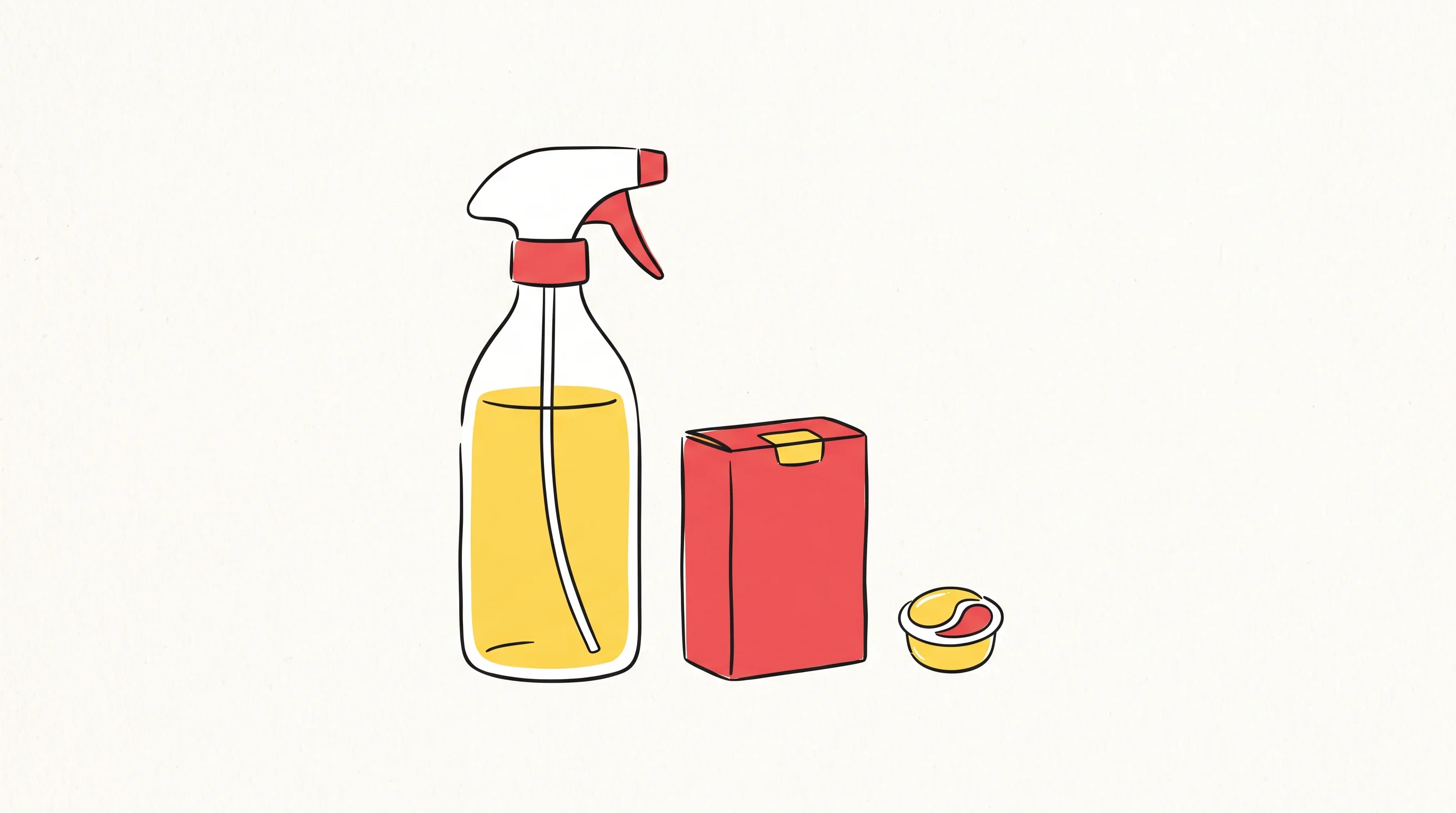
Bower isn't alone in this space. UK competitors include smol, which sells concentrated refills; Splosh, which offers traditional refill bottles; and OceanSaver, which makes dissolvable pods. Each represents a different bet on how to solve the single-use plastic problem in home care.
A July 2024 report from WRAP, titled "Mainstreaming reusable and refillable packaging in the UK," laid out the infrastructure challenges and partnership models retailers and brands need to scale reuse systems. The Ellen MacArthur Foundation has also published extensively on returnable packaging, including work focused specifically on plastics.
Third-party estimates put the global refillable packaging market at $45.6 billion in 2024, though that figure spans everything from industrial containers to beverage bottles, not just household products.
The Runway Question
The real question—maybe the only one that matters—is whether Bower's closed-loop system can achieve the economics and convenience to compete with single-use at scale.
Refill models have been around for decades, in various forms. Some work. Many don't. The difference often comes down to whether the system is genuinely easier and cheaper for the consumer, or whether it asks them to absorb extra effort and cost in exchange for feeling virtuous.
Bower has £6.6 million to figure that out. Whether it's enough depends on how fast they can prove the retail thesis, how much margin they can extract from each refill cycle, and how long impact investors are willing to wait for returns.
The pouches will keep cycling—until they don't.


