

Breedr Raises $27 Million as Beef Prices and Climate Concerns Converge
An Austin-based livestock technology company has closed a $27 million Series B round, betting that ranchers will pay for software that promises both fatter margins and a smaller carbon hoofprint.
Breedr announced the funding in late August, with Paris-based Partech Impact leading the round and participation from Latitude and Outsiders Fund. The company wouldn't disclose its valuation but said the raise brings total capital to $46.6 million. CEO Ian Wheal, who grew up on his family's cattle operation in Australia, relocated the startup from the UK to Texas in 2022.
The funding arrives at a moment when ground beef prices have climbed steeply. Recent Bureau of Labor Statistics data showed retail prices hitting $6.885 per pound in July, up from July 2021. Meanwhile, US cattle inventory began this year at levels not seen since 1951, according to a January USDA release, though the agency noted a slight uptick by midyear. Tight supply has kept beef expensive for consumers even as ranchers face pressure to shrink the environmental footprint of an industry that accounts for a meaningful share of agricultural emissions.
Breedr's pitch threads that needle. The platform tracks individual animals through the supply chain, logging weight, health records, and lineage. Machine learning models predict when cattle will reach market weight, and the company claims this intelligence helps ranchers get animals finished up to five months sooner. Shorter time on feed, Breedr argues, translates to company-estimated methane reductions of 20 to 30% per animal, though the company has not published third-party verification of those figures.
"Beef is one of the most complex decarbonization problems there is," wrote Arnaud Minvielle, a Partech general partner joining Breedr's board, in the funding announcement.
The company said more than two million head of cattle now move through its system, with close to $500 million in livestock transacted so far this year. Customers range from family ranches to operations managing upward of 100,000 animals. Beyond the US, Breedr operates in the UK and Australia, with expanding reach into New Zealand and parts of Europe.

The platform bundles three products. First, a livestock management app that records granular data at the animal level. Second, a marketplace where ranchers can trade cattle backed by verified data trails. Third, an embedded finance offering that advances cash against animals still being raised, giving producers liquidity before sale. Wheal said the combination helps producers earn more than $500 extra per animal, a claim the company attributes to better-timed sales and reduced shrink.
Wheal holds an MBA from London Business School and spent years in consulting and technology before launching Breedr in 2018. His father helped build an early cattle cooperative in Australia, and that legacy appears to inform the startup's cooperative ethos. "We built Breedr to bring value back to the people who raise the cattle," Wheal said in the release.
Remus Brett of Latitude, the growth fund spun out of LocalGlobe and Phoenix Court Group, is also joining the board. Outsiders Fund, which participated in a Series A extension in 2023, returned for this round. Solano Partners advised on the deal.
Breedr plans to use the capital to hire, onboard more ranchers, and deepen the platform's data capture. Genomics is one area the company wants to layer in. The startup's LinkedIn page lists headcount between 11 and 50 employees, though that range may no longer reflect reality given the fresh funding.
The platform is designed to be hardware agnostic, pulling data from producers' existing equipment through web and mobile interfaces. That flexibility matters in an industry where capital expenditures on new equipment can be a hard sell.
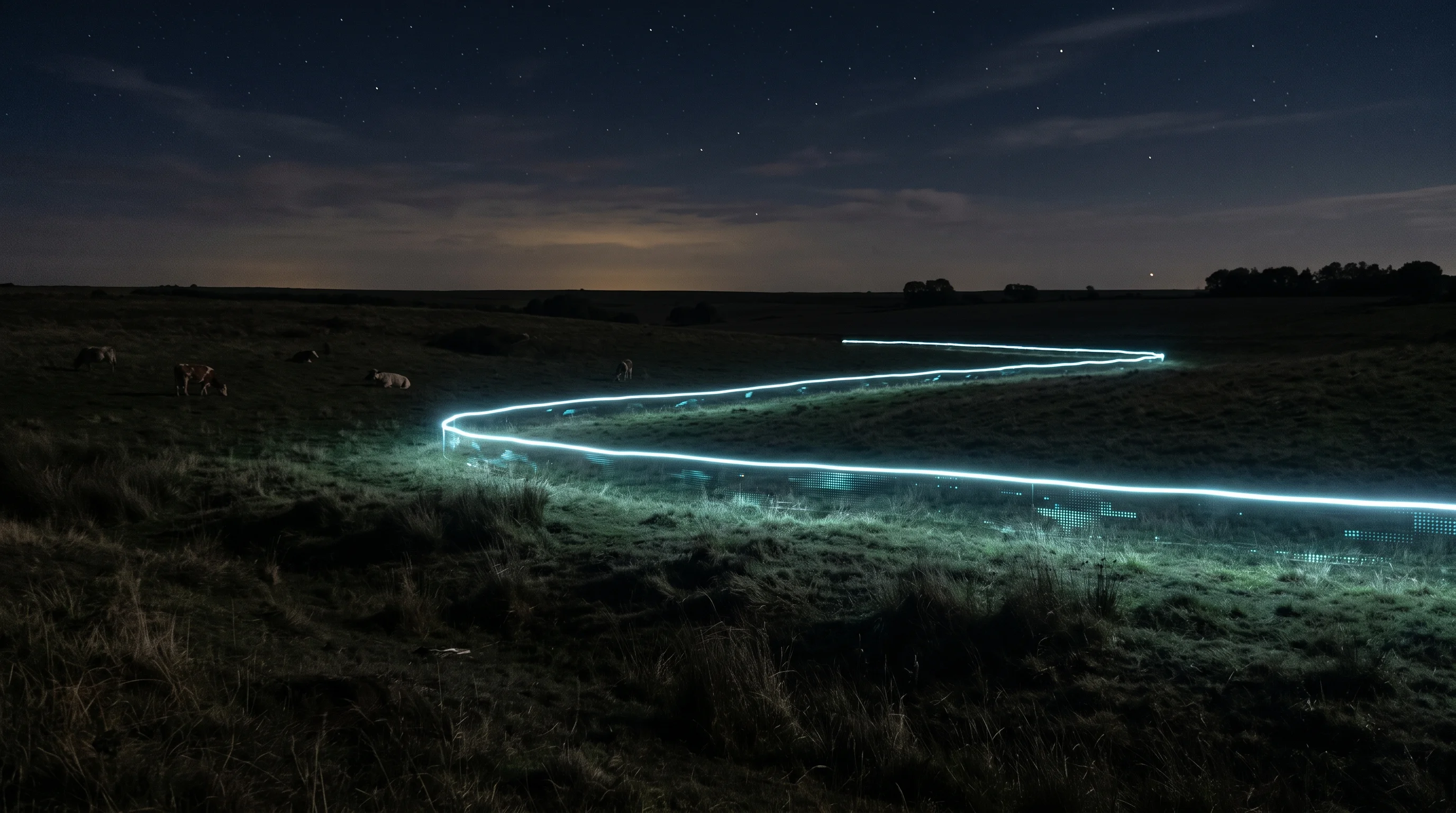
Competitors include AgriWebb in Australia, CattleMax and HerdDogg stateside, and Halter in New Zealand, which has carved out a niche with virtual fencing technology. The ranch management software category has attracted steady venture interest as investors search for ways to make agriculture both more profitable and more sustainable.
Breedr made one other claim worth noting. The company said that if you've bought beef from a major US or UK retailer recently, there's a decent chance it moved through a Breedr-powered supply chain. That's a bold assertion for a startup, but it underscores how quickly the company believes it has penetrated critical nodes in the beef distribution network.
Whether the platform can deliver on its dual promise of higher rancher income and measurably lower emissions will likely determine if Breedr becomes infrastructure or remains a niche tool. For now, it has $27 million more runway to prove the case.


