

The waitlist should have been the first sign. When CALO ran a soft launch in Oman earlier this year, the Bahrain-based meal subscription service watched demand stack up faster than anticipated. On June 1st, the company dropped the waitlist entirely, opened a new flagship kitchen in Greater Muscat, and began taking orders six days a week.
It's a familiar script for CALO—enter a market, gauge appetite, scale fast—but Oman marks something of a milestone. The company now operates across seven markets, having already planted flags in Saudi Arabia, the UAE, Kuwait, Qatar, and Bahrain. Having raised $64 million as of its Series B extension in July 2025, and with more than 18 million meals delivered across the Gulf, the question isn't whether there's demand for app-based, macro-tracked meal plans. It's whether CALO can hold onto the customers it's winning, particularly as local competitors dig in and the novelty of personalized nutrition fades into routine.
The offering: familiar, customizable, health-conscious
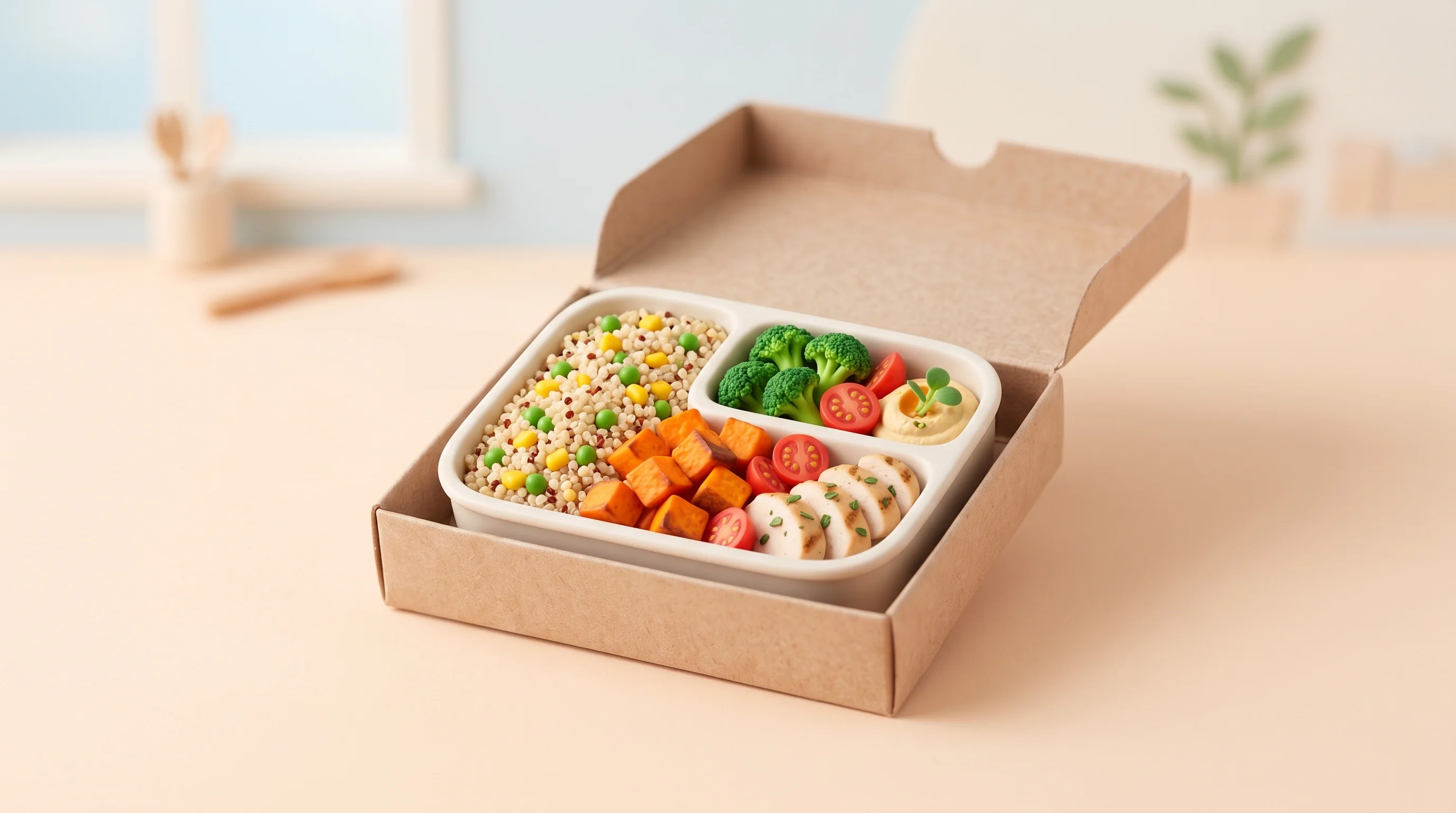
CALO's Oman playbook mirrors what's worked elsewhere. Subscribers pick from five meal plans—Balanced, High-Protein, Low-Carb, Vegetarian, or Chef's Choice—with weekly menus rotating through more than 25 options. Everything ships chilled from the company's Muscat kitchen, ready to heat. Pricing starts at 3 Omani Rials per meal (roughly $7.80) and 2 OMR for breakfast, according to the company's local site.
The pitch centers on flexibility: swap ingredients, tweak calorie targets, pause or skip deliveries. Full nutritional breakdowns come standard. CALO also makes a point of using extra virgin olive oil while steering clear of seed oils, a detail that reflects the evolving priorities of health-conscious consumers in the region. Whether that distinction matters to subscribers over the long haul is harder to say.
At launch, delivery covers Greater Muscat, Al Amerat, and Al Mabela, with broader expansion across the Sultanate planned but not yet detailed. Daily delivery—already a core feature in CALO's other markets—is live from day one.
Local competition and the infrastructure gap
CALO didn't arrive first. Oman has homegrown players like Nourish Kitchen, operating out of Al Khuwair with portion-controlled plans across dietary preferences, and SmartBite, another subscription-based service in the space. Diet centers and nutritionists also run meal programs, though the tech integration and operational scale vary widely.
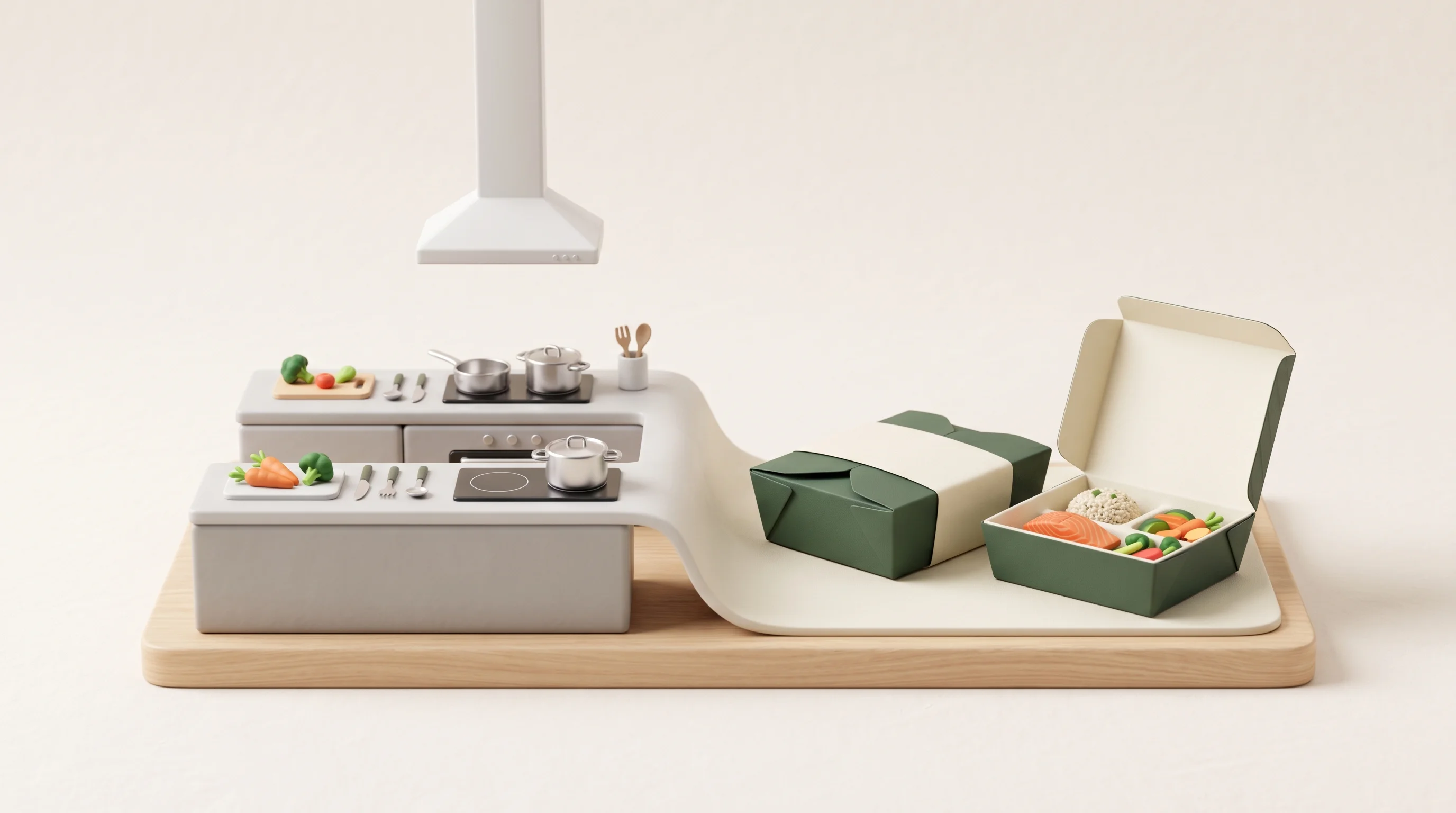
What CALO brings to the table is infrastructure. The company runs its own central kitchens, controls supply chains, and uses software to orchestrate menu personalization and delivery logistics across multiple cities. That vertically integrated model—refined over six other markets—gives it an edge when scaling to thousands of subscribers without quality slipping or service falling apart. At least in theory.
It's worth noting the challenges that come with that model, too. Operating kitchens, managing perishables, and running daily delivery routes require heavy upfront investment and tight execution. Margins in the meal subscription business are notoriously thin, and customer churn can be brutal once the initial enthusiasm wears off.
Momentum, ambition, and an unconfirmed exit

The Oman launch comes less than a year after CALO closed a $39 million Series B extension in July 2025, led by Aljazira Capital, pushing the total Series B to $64 million. That followed a $25 million Series B round in December 2024, led by Nuwa Capital with participation from STV and Khwarizmi Ventures. TechCrunch pegged the company's valuation at approximately $250 million around the time of the initial Series B close.
But not everything is moving in lockstep. CALO entered the UK market in 2025 through acquisitions of Fresh Fitness Food and Detox Kitchen—two established players in London's meal subscription scene. One outlet reported in June 2026 that CALO had quietly exited the UK, though the company hasn't publicly confirmed or denied the claim. If true, it would mark a rare misstep for founders Ahmed Al Rawi and Moayed Almoayed, who launched CALO in 2019 and have mostly stuck to markets they understand: the Gulf.
The company's LinkedIn presence suggests a workforce between 1,001 and 5,000 employees, though such platform data doesn't always reflect actual headcount. That's a substantial operational footprint for a seven-year-old startup, one that underscores both the company's growth and the capital intensity of running kitchens across multiple countries.
The bigger picture
CALO's bet is straightforward: enough people in the Gulf will pay for the convenience of not planning, shopping for, or cooking their own meals. The company isn't alone in that wager. The GCC cloud kitchen market, which underpins much of the subscription meal infrastructure, was valued at $2.22 billion in 2025 and is projected to hit $6.74 billion by 2034, according to IMARC Group.
Those projections sound optimistic, maybe more so than the reality on the ground warrants. Cloud kitchens proliferated during the pandemic, but consolidation has already started. Not every meal subscription service will survive, and not every market will prove as receptive as early demand suggests.
For CALO, Oman is both validation and a test. The soft launch waitlist was encouraging. Whether that translates into sustained subscriber growth—the kind that justifies the infrastructure investment and keeps churn in check—remains an open question. The kitchens are running, the meals are moving, and deliveries are rolling out across Greater Muscat.
What happens next will depend on whether customers stick around once the novelty fades and the weekly deliveries become just another part of the routine.


