

The pitch sounds almost too simple: tiny digital sandboxes that blink to life in 90 milliseconds, each one a throwaway prison cell for code no human has vetted. Yet this unsexy infrastructure play just convinced FirstMark Capital and a cluster of strategic investors that Daytona Platforms is worth backing with $24 million.
The Series A round, which closed February 5, values the 22-person New York startup at $125 million post-money, according to The Information. FirstMark led. Pace Capital joined. Existing backers Upfront Ventures, E2VC, and Darkmode doubled down. Then came the strategic checks—Datadog, Figma Ventures—the kind that signal someone thinks the problem being solved is bigger than the pitch deck suggests.
FirstMark general partner Matt Turck is taking a board seat. That's notable mostly because Turck has spent years warning about AI infrastructure bottlenecks. Now he's betting that one of those bottlenecks is trust—or rather, the lack of it.
The Problem Nobody Wants to Talk About
Here's what enterprises deploying AI coding assistants have quietly discovered: roughly 45 percent of machine-generated code contains security flaws, per studies cited by Veracode and similar research shops. The OWASP Top 10 for LLM Applications—think of it as the industry's most-wanted list for AI vulnerabilities—flags "Inadequate Sandboxing" and "Insecure Output Handling" as critical risks.
Perhaps more alarming was the "IDEsaster" research that surfaced late last year. Security analysts documented remote code execution paths and data exfiltration routes when AI agents interacted directly with developer machines. In other words: let an AI agent write code on your laptop, and you might be handing an adversary the keys.
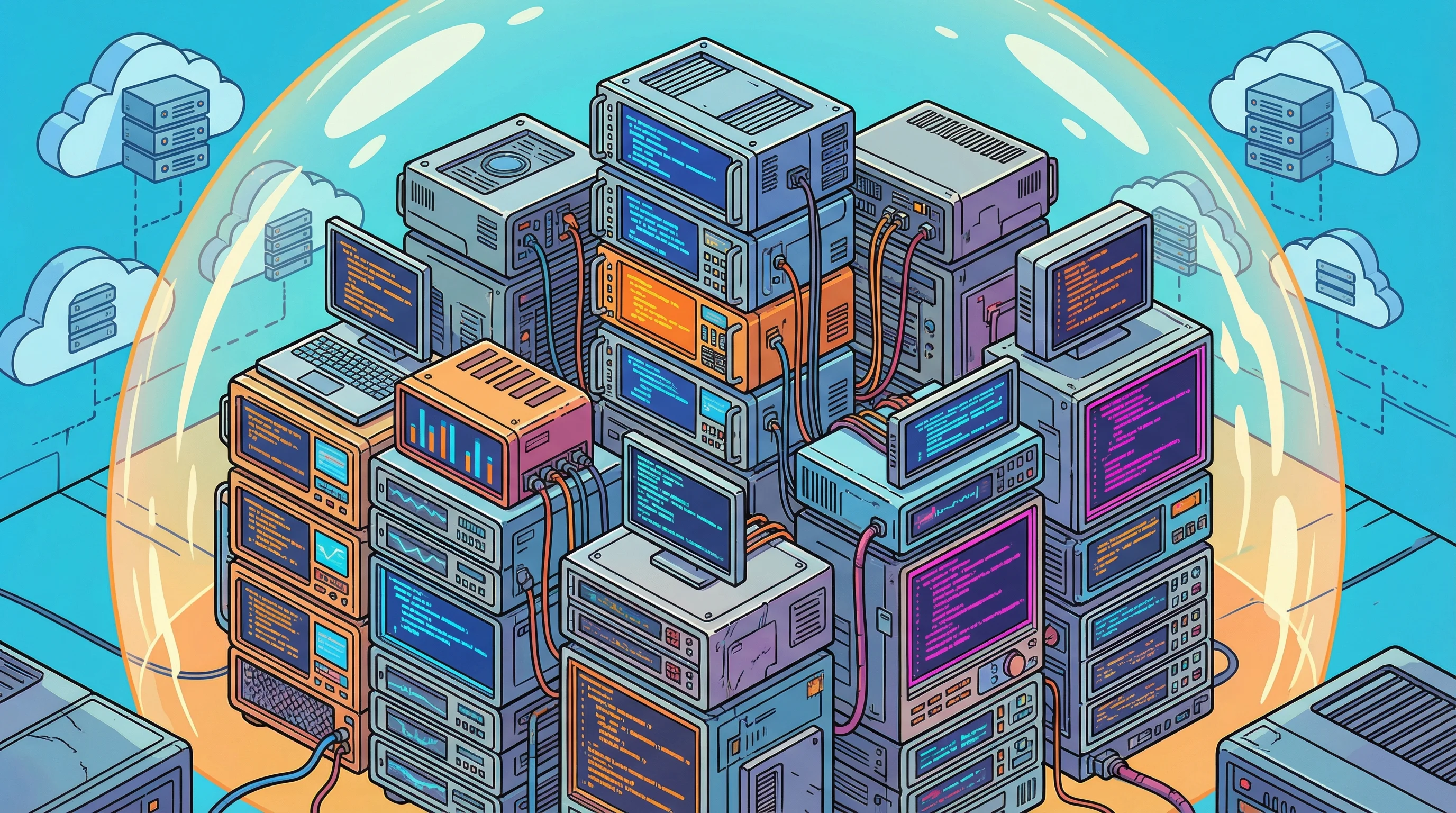
Daytona's answer is isolation. Each sandbox offers APIs for process execution, filesystem operations, Git integration, language server protocol support. The platform maintains persistent state across multi-step workflows, takes snapshots for debugging, and operates regionally across the US, Europe, and India. It's infrastructure as containment strategy.
Founder and CEO Ivan Burazin describes his product as "programmatic, composable computers," which is either venture-speak or an accurate description depending on your tolerance for jargon. What's less debatable: the company has customers willing to run thousands of these things monthly.
Traction That Moved Faster Than Expected

LangChain—the AI application framework that's become something of a Kleenex brand in developer circles—now spins up 4,000 Daytona sandboxes every month. Sub-100ms spin-up times. North of 660 hours of runtime monthly. That's not pilot-program scale.
SambaNova Systems, which builds AI infrastructure for enterprises that prefer not to rely on hyperscalers, claims Daytona saves it 200 hours weekly on sandbox management. (Whether that number accounts for the time spent integrating the platform in the first place is unclear, but the company hasn't replaced it yet.)
Then there's Prosus, the Dutch tech investor that operates at the scale where precision matters. The company swapped out internal sandboxing tools for Daytona across more than 800 AI models. Its case study makes a sweeping claim: over one billion users now interact with applications powered by Daytona sandboxes. That figure probably deserves an asterisk—users of Prosus portfolio companies, not direct Daytona users—but it suggests the infrastructure is running in production environments where downtime has consequences.
Other customers include Turing, Writer, and what Daytona vaguely describes as "Y Combinator startups to Fortune 100 companies." The startup hit $1 million in forward revenue run rate within three months of going commercial. Six weeks later, it doubled.
That kind of velocity tends to get noticed.
A Pivot That Wasn't Really a Pivot
Daytona launched in 2023 as an enterprise alternative to GitHub Codespaces—self-hosted development environment management for companies allergic to sending their code to Microsoft's servers. Solid business. Nothing revolutionary.
By late 2024, the story had shifted. The company now emphasizes "Computer Use" features: programmatic GUI desktops for Linux (generally available) and Windows/macOS (early access). Translation: AI agents can now automate desktop applications inside isolated environments, not just run code snippets.
It's the kind of product evolution that looks inevitable in hindsight but probably felt uncertain internally. Burazin, who previously founded Codeanywhere and the Shift developer conference (later acquired by Infobip), has been through at least one reinvention already. This one appears to be working.
The company maintains an open-source version under an AGPL license on GitHub. Last December, Daytona claimed the top spot among open-source cloud development environments by GitHub stars. Whether that metric correlates with revenue remains an open question, but it's the kind of community validation that makes enterprise buyers less nervous.
What $24 Million Buys

The Series A proceeds will go toward predictable things: more compute capacity, broader regional availability, engineering and go-to-market hires. Daytona plans community engagement—meetups, hackathons, conferences in San Francisco—the standard playbook for developer-focused infrastructure plays.
The company has now raised $31 million across three rounds since founding. Angel investors in earlier rounds include executives from Postman, Honeycomb, Netlify, Stack Overflow, Warp, Sentry, and Supabase. That's a roster of developer tool founders who presumably understand what infrastructure breaks when usage scales.
The strategic capital from Datadog and Figma Ventures is worth parsing. Datadog built an observability empire by sitting inside other people's infrastructure. Figma Ventures tends to back tools that change how teams collaborate. Both bets suggest Daytona's sandboxes might become connective tissue—unsexy, essential, difficult to replace.
Whether that happens depends on questions the funding announcement doesn't answer. Can Daytona's isolation model scale to the throughput AI labs will demand? Will enterprises trust a 22-person startup with production workloads when hyperscalers inevitably launch competing services?
For now, the bet is that isolation—fast, reliable, programmatic—is valuable enough that someone will pay for it consistently. And that 90 milliseconds is fast enough to matter.


