

Two years after Ethiopia pulled off what few expected—banning gasoline vehicle imports outright—the country's nascent electric two-wheeler market is attracting serious capital. Dodai, a startup assembling e-bikes in Addis Ababa and running a battery-swap network for delivery riders, closed $13 million in fresh funding on April 28, 2026. The round split cleanly: $8 million in equity, $5 million in debt.
What makes the deal notable isn't just the size. It's the mix of investors lining up behind a market that most Western venture capital still regards with skepticism. Japanese institutional players dominated the equity portion—Value Chain Innovation Fund (managed by Spiral Capital), UTokyo Innovation Platform, Nagase & Co., and Inclusion Japan all participated. They were joined by For Seasons Co., CBC Co., and the Persistent Africa Climate Venture Fund, a newly minted climate-focused vehicle that only closed its first $52 million in March 2026.
British International Investment, the UK's development finance institution, committed the debt facility. The agency has yet to issue its own announcement, a delay that isn't uncommon for government-backed lenders navigating political calendars.
Swapping Batteries, Not Rhetoric
Dodai's pitch is straightforward: deploy electric motorbikes across Addis Ababa, then let riders—mostly delivery and logistics operators—swap depleted batteries for charged ones at the company's stations. No waiting for a charge. No range anxiety spiraling into missed deliveries.
The startup, led by CEO Yuma Sasaki, a Japanese entrepreneur who previously worked at Uber in Japan and was a founding member and chief business officer at e-mobility startup Luup, set a 12-month target of 3,000 active users and 30 swap stations. The three-year ambition is bolder: 30,000 users, 1,000 stations in the Ethiopian capital, and a push into Abidjan, Kinshasa, Accra, and Dar es Salaam.
Dodai assembles its bikes locally—an important detail in a country where import restrictions and currency controls make foreign-made hardware a logistical headache. The company's own figures claim 2,000 bikes deployed, a team exceeding 100 employees, and a 90% market share in Ethiopia's electric two-wheeler segment. Those numbers are self-reported and haven't been independently verified, but they suggest meaningful traction in a market that barely existed three years ago.
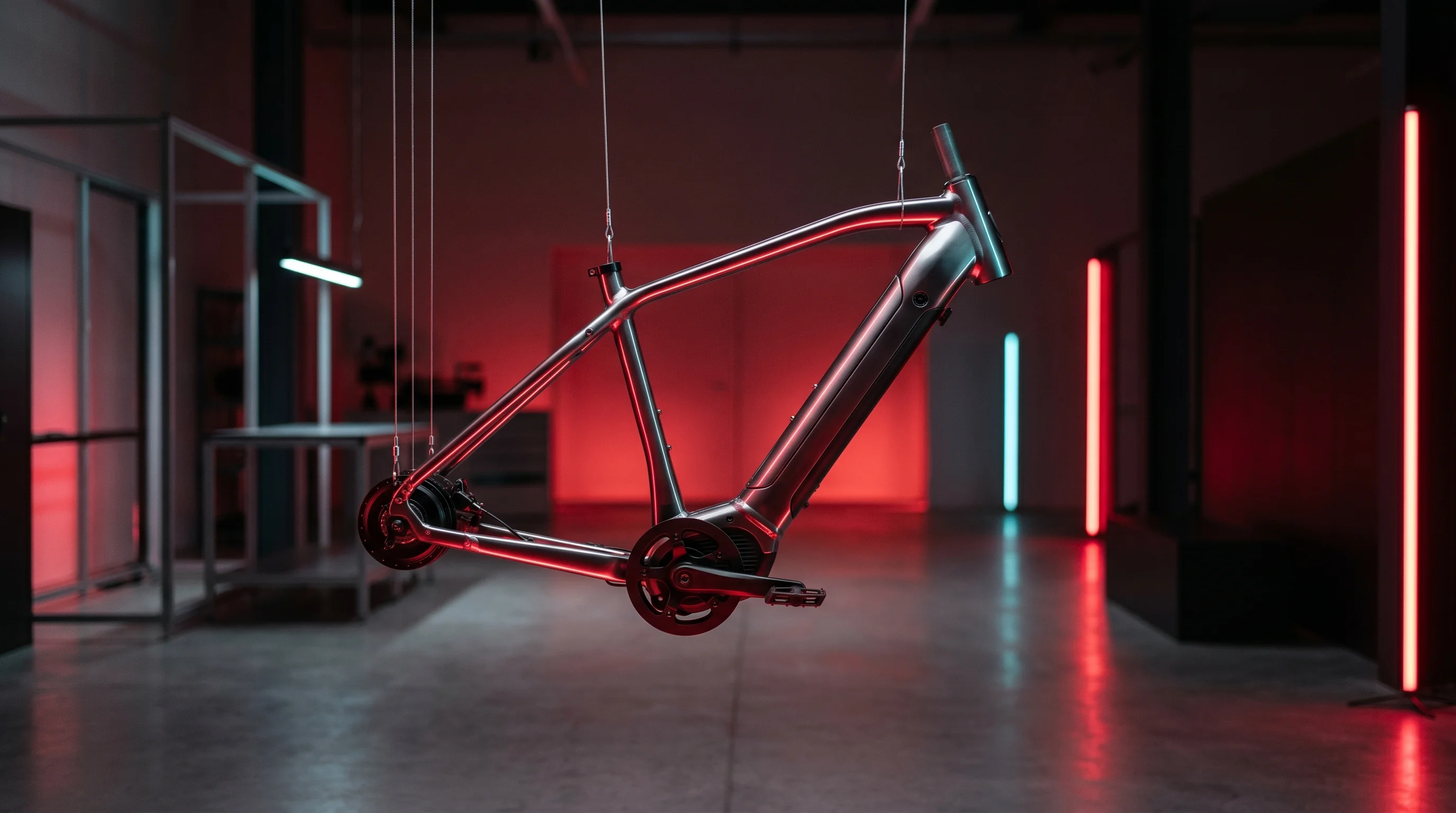
Sasaki has drawn Japanese capital since Dodai's early days. The company raised $4 million in March 2024, then roughly $7 million cumulatively by January 2026, according to prior reporting. The Series A more than doubles its total war chest.
Policy Shock, Then Opportunity
Ethiopia didn't ease into electric vehicles. In January 2024, the government banned imports of gasoline and diesel cars and motorcycles—a jolt that sent automakers and logistics firms scrambling. By August 2025, the prohibition expanded to include semi-knocked-down kits for internal combustion engines, closing a loophole that had allowed some assembly plants to continue operations.
The move positioned Ethiopia ahead of most African nations on paper, though execution remains uneven. The International Energy Agency and Bloomberg both cited the ban as a rare example of a developing economy mandating EVs at scale, even as charging infrastructure lagged and power grid reliability remained a persistent question mark.
For Dodai, the policy created an immediate market. But Addis Ababa's motorcycle restrictions introduced a wrinkle: the city limits two-wheeler access to delivery companies, government entities, and registered firms. On May 6, the Addis Ababa Transport Bureau formally approved Dodai to operate under those parameters—a regulatory green light that matters more than it might seem. Without it, the company's expansion plans would have stalled before reaching double digits in stations.
Competition and Context
Dodai isn't alone in chasing Africa's battery-swap opportunity. Spiro, a regional operator, raised $50 million in debt in February and claims over 80,000 bikes and 2,500 swap stations across the continent. Those numbers dwarf Dodai's current footprint, but Spiro operates across multiple countries, while Dodai has concentrated its bets on Ethiopia.
The company's partnership with Ethiopian Postal Service—a deal that gives it access to a fleet customer with predictable routes—offers a foothold that pure consumer plays lack. Whether that advantage translates beyond Addis Ababa is the central question facing Sasaki's team.

Replicating the model in Abidjan or Kinshasa will require navigating different regulatory environments, electricity grids with varying reliability, and competitive dynamics that may not mirror Ethiopia's policy-driven vacuum. And then there's the capital question: $13 million buys runway, but it won't fund a five-city buildout on its own.
Still, Dodai's timing feels deliberate. The company raised its Series A just as climate-focused funds began deploying capital into African infrastructure plays, and just after Ethiopia's policy experiment moved from theoretical to operational. Whether that convergence produces sustainable returns—or just another cautionary tale about frontier market optimism—should become clearer in the next 12 months.
For now, the battery-swap stations are multiplying. And the motorbikes keep rolling.


