

Ryan Elliott remembers the calculus well. Before he and co-founder Gabe Roeloffs left Apple to launch their own company, they'd spent years inside the machine—working on the operating systems that power the iPhone, watching developers navigate the App Store's fee structure with a mix of resignation and resentment.
The math hasn't changed: collect $10 from a subscriber, hand $3 to Cupertino. Every month. Before you've covered servers, before customer support, before salaries. For developers building subscription businesses on iOS, it's been the cost of admission. Inevitable, they figured. Immutable.
Maybe not anymore.
ZeroSettle, the startup Elliott and Roeloffs launched out of Y Combinator's Winter 2026 batch, is making a bold wager—that the regulatory ground beneath Apple's App Store has shifted enough to support an alternative. Their pitch is direct, almost confrontational: integrate our software, route your subscribers to web-based checkout instead of Apple's in-app system, and slash those platform fees from 30% down to 5%.
It's a Merchant of Record for the iPhone age, they say. Payment processing, tax compliance across hundreds of countries, and—here's the tricky part—navigation of Apple's labyrinthine rules on external payments.
Whether Apple will tolerate this at scale remains an open question.
Following the Cracks in the Wall
The timing matters. Apple's stranglehold on iOS payments has been cracking—slowly, grudgingly—since the Epic Games lawsuit forced open a narrow path to external links. In January 2024, Apple introduced the External Purchase Link Entitlement for U.S. apps. The catch? Apple initially wanted to keep 12% to 27% of external revenue anyway, a move developers derided as compliance theater.
But enforcement has wavered. Last May, a federal judge found Apple in willful violation of an earlier injunction. Spotify and others started winning approval for external payment links. The Ninth Circuit declined to vacate the injunction in December. Meanwhile, Europe's Digital Markets Act carved out separate pathways entirely.
What's emerged is less a clear regulatory framework than a patchwork—exploitable gaps alongside ambiguous enforcement. ZeroSettle is betting it can operate inside those gaps profitably.
The company's approach revolves around what it calls "Switch & Save" campaigns: prompting users who currently pay through Apple's StoreKit system to migrate to direct billing, often sweetened with a discount. The technical implementation—a Swift package for iOS, a Flutter plugin for cross-platform apps—is designed to slot into existing subscription infrastructure without requiring developers to rip out their paywalls.
In the U.S., ZeroSettle claims developers can present a "fully embedded payment sheet" with Apple Pay support, keeping the experience inside the app. Outside America, the mechanics shift. EU markets get in-app browsers or external Safari flows under DMA rules; regions where external linking remains restricted fall back to StoreKit. The whole system adapts geographically, a hedge against Apple's moving boundaries.
For developers already running subscription businesses, ZeroSettle says you can integrate in 15 minutes. The SDK works alongside tools from RevenueCat, Superwall, and Adapty—recognizable names in the mobile monetization stack. It auto-imports App Store Connect products, syncs entitlement states, maintains a unified view of who's paid and who hasn't.
Simple enough on paper. The execution, as always, proves messier.
Two Ways to Pay (or Not Pay)
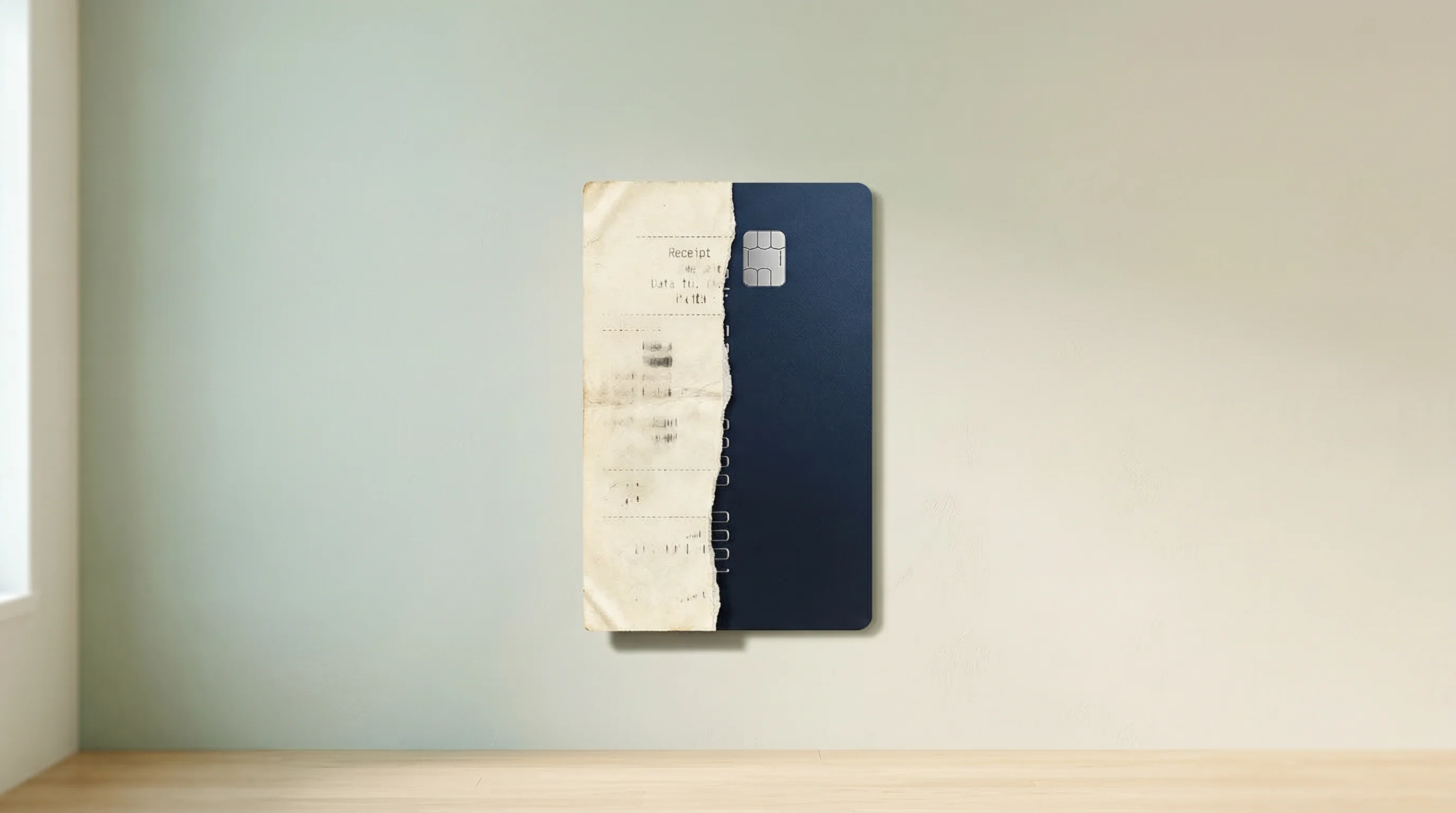
ZeroSettle offers developers a choice of billing structures. The Managed Merchant of Record plan charges 5% plus 50 cents per transaction. ZeroSettle handles chargebacks, tax remittance, refunds—the operational minutiae that trip up smaller teams. Payouts run through Stripe Connect.
The alternative is "Bring Your Own Stripe," where developers connect their existing Stripe accounts and pay ZeroSettle just a 0.5% fee when campaigns successfully convert a subscriber from Apple's billing to direct. Under this model, the developer keeps responsibility for disputes and support.
That half-percent fee structure tells you something about where ZeroSettle expects to make money early on: not necessarily processing every transaction, but proving it can pull subscribers off Apple's rails. Consider a developer with 10,000 paying users at $10 a month. Migrate half of them from a 30% App Store fee to 5%, and you're talking an extra $25,000 monthly. The ROI calculator on ZeroSettle's landing page practically writes itself.
For a two-person startup fresh out of YC's Winter 2026 batch, that's a compelling pitch to investors and developers alike. Whether it scales without triggering Apple's wrath is another matter.
The Regulatory Gamble
Here's what ZeroSettle's founders will tell you: they've built for compliance. Their documentation emphasizes compatibility with Apple's StoreKit External Purchase Link Entitlement, the mechanism Apple rolled out (however reluctantly) to satisfy court orders. They're following the letter of the rules.
Here's what they probably won't emphasize: developer forums throughout the past year have shown wildly inconsistent App Review outcomes. Some apps with web checkouts sail through approval. Others get rejected on vague grounds, forced into back-and-forth exchanges with reviewers who seem to be interpreting guidelines differently week to week.
In a Reddit post last month, ZeroSettle's team discussed using remote configuration flags to toggle features during App Review—a workaround that speaks volumes about the precariousness of operating in this space. Submit one version for review, flip a switch after approval, hope Apple doesn't notice or care. It's the kind of strategy that works until it doesn't.
The central unknowns remain tactical as much as legal. If tools like ZeroSettle gain real traction, will Apple tighten review policies? How do conversion rates actually compare between embedded checkouts and clunky Safari redirects? And what happens if Apple decides—arbitrarily, capriciously, pick your adverb—that embedded payment sheets cross some unstated line?
Apple has demonstrated a remarkable ability to reinterpret its own rules when threatened. The App Store, after all, is a roughly $85 billion annual revenue stream by some estimates. The company has never been shy about defending it.
Not Exactly Alone
ZeroSettle isn't the only company eyeing this opportunity. Paddle launched iOS checkout capabilities last May and partnered with RevenueCat in June. PayPro Global markets similar tooling. Even Stripe, which powers much of this ecosystem on the backend, published developer documentation last year on bypassing Apple's cut.
What distinguishes ZeroSettle—beyond the founders' Apple pedigree—is a focus on migration, not just acquisition. The "Save the Sale" cancellation flows, which offer pauses or discounts when users try to unsubscribe, or the "Upgrade & Save" campaigns nudging monthly subscribers toward annual plans, go beyond simple payment processing. They're retention tools dressed up as checkout alternatives.
It's merchant-of-record infrastructure for the post-App-Store world, assuming that world arrives.
The Bet

Elliott and Roeloffs are wagering that regulatory pressure, developer frustration, and a well-designed SDK can carve out a business in the space between Apple's rules and developers' economics. They're betting the gap stays open long enough to build something defensible—a customer base, network effects, enough revenue to survive whatever Apple does next.
As of now, the company remains a two-person operation, according to its Y Combinator profile. No publicly named customers yet. Headquarters nominally in Mountain View, though the founders haven't confirmed much beyond their GitHub repositories and demo videos. They shipped fast: iOS SDK, Flutter support, dashboard, customer portal, all seemingly built in a matter of months.
Fast enough to seize the moment. Whether the moment lasts is the unanswered question hanging over ZeroSettle and every other startup circling the App Store's economic foundations. Apple's walled garden has proven remarkably resilient over the years, bending under pressure but rarely breaking.
Perhaps this time is different. Or perhaps the walls just shift inward, slowly, until the gap ZeroSettle is trying to exploit disappears entirely. For now, the founders are building like the opening will hold. Developers frustrated with Apple's take rate are their natural constituency; regulatory tailwinds, however unpredictable, provide cover.
In the end, ZeroSettle's success probably hinges less on technical execution—though that matters—and more on whether courts, regulators, and Apple's own tolerance for external pressure can sustain a viable alternative to the status quo. The 30% fee has felt inevitable for so long that betting against it feels almost reckless.
Then again, reckless bets are what startups do.


