

Hayzel, a six-person startup in Alameda, recently closed what it reports as a $3.6 million seed round to commercialize a turbine that does something most data center operators probably haven't considered: harvesting electricity from the chillers that cool their server racks.
The company's pitch arrives at a moment when artificial intelligence is straining power grids and forcing facility managers to hunt for capacity anywhere they can find it. Rack densities have climbed from single-digit kilowatts to 40, 80, sometimes 100 kilowatts per rack in newer facilities, while utilities lag years behind in delivering matching power. Hayzel's bet is that operators will pay to squeeze a bit more juice from infrastructure they already own.
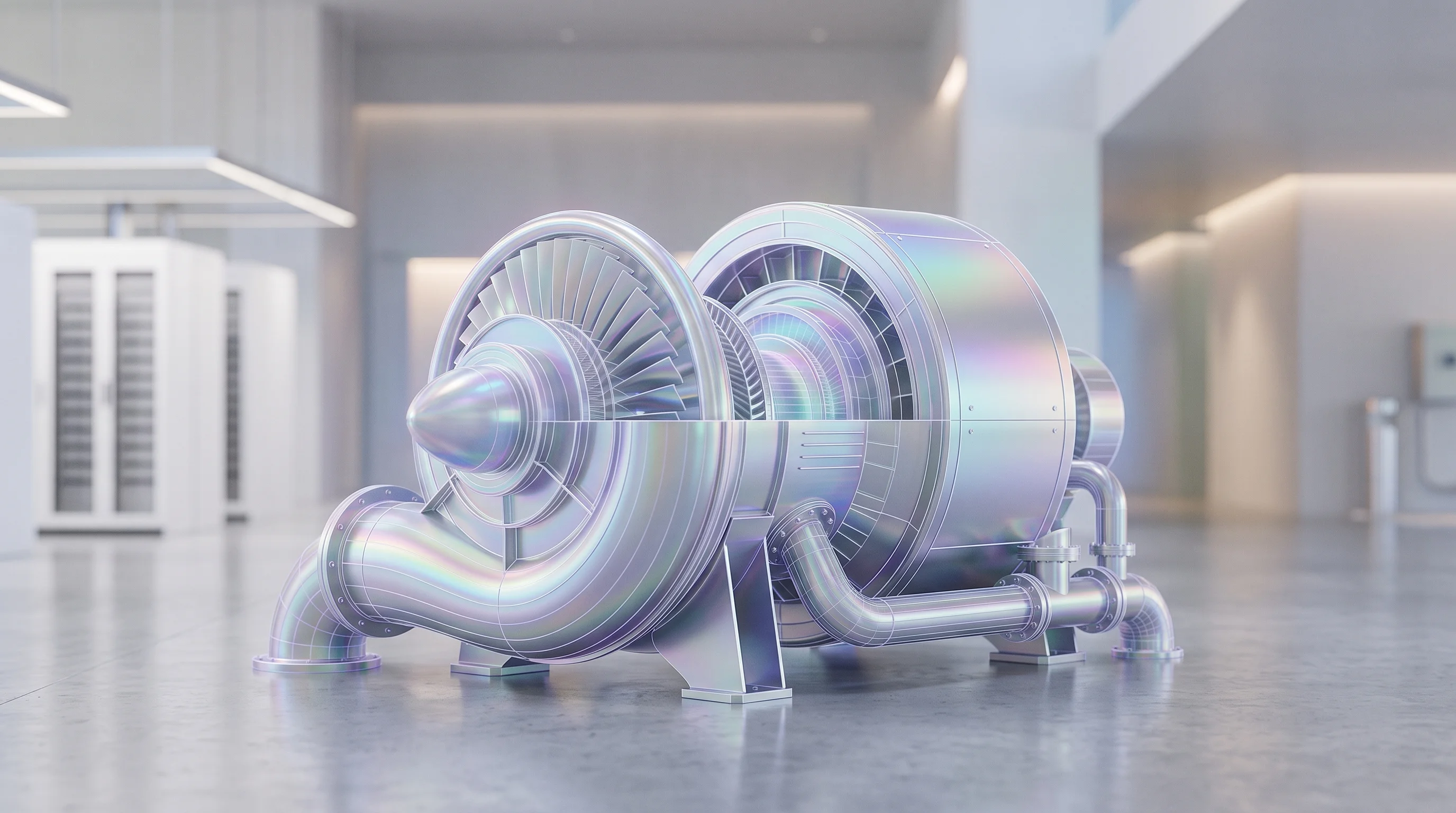
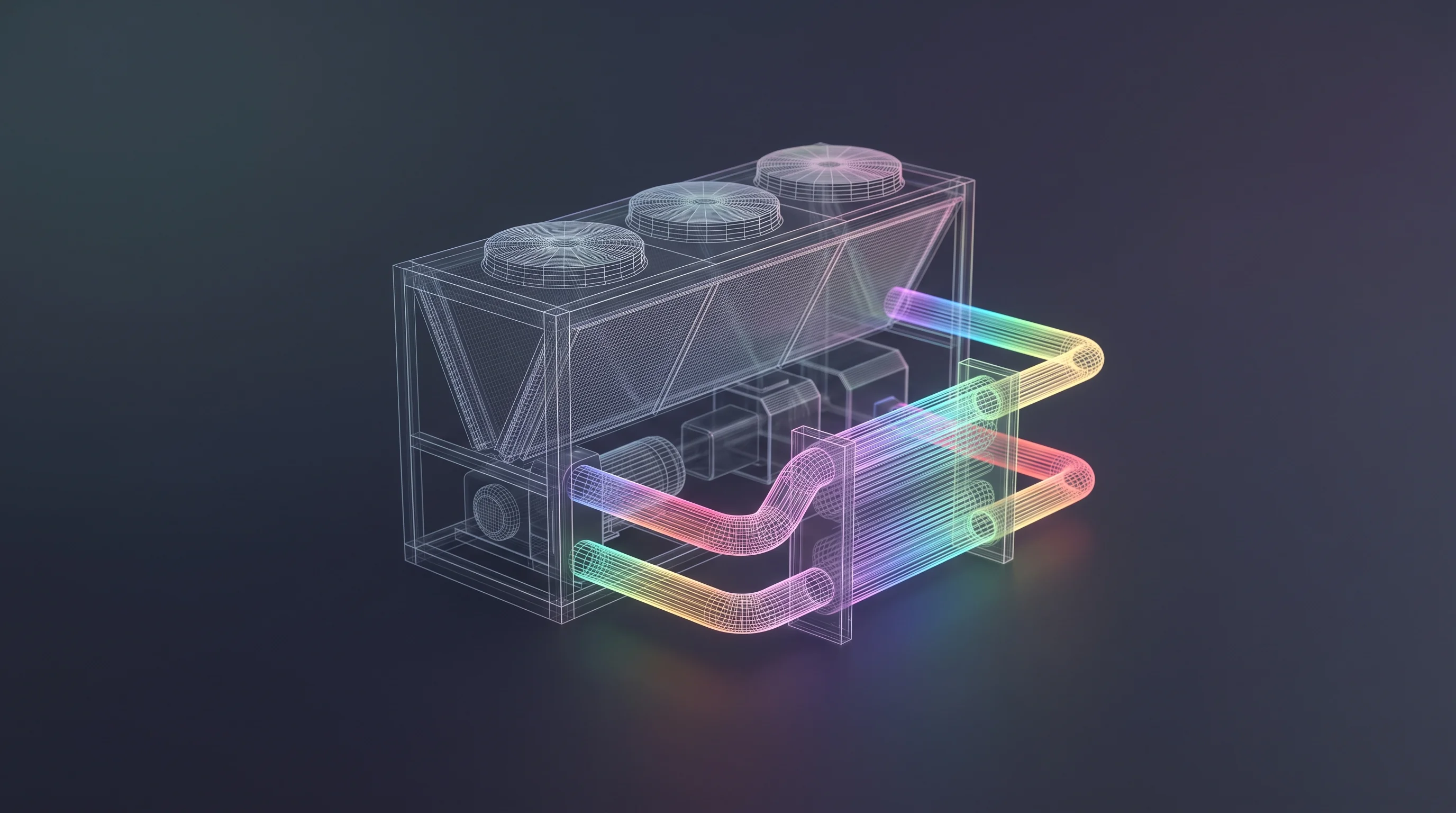
The device in question, which Hayzel calls the Liquid-Vapor Expander, replaces a chiller's expansion valve with a two-phase turbine and generator. Expansion valves drop refrigerant pressure before it enters the evaporator. They do the job, but they're crude—Hayzel claims they waste over 20 percent of available cooling energy that could theoretically be recaptured.
Matt Price, one of the co-founders, described the installation process in an industry article: the turbine sits in parallel with the existing valve, leaving controls alone. If the turbine fails, the chiller keeps running. "We leave the existing expansion valve and control systems in place," he said, a fail-safe that matters when uptime is everything.
How much power does it actually generate? Hayzel modeled 33.4 kilowatts of output on an 800-ton water-cooled chiller in California and projected 121 megawatt-hours of annual savings in a presentation at the Open Compute Project. Those numbers are internal estimates that haven't been independently validated yet—Hayzel acknowledged it's working with third-party partners to confirm them.
The company says it built its first turbine in 2025 and installed it at a California data center that same year, according to industry reports. It's been running on one of the facility's primary chillers since then. Wells Fargo's Innovation Incubator and the National Renewable Energy Laboratory awarded Digital Realty $125,000 to partner with Hayzel on piloting the technology in Santa Clara, according to an annual report. New York State's energy authority added a $99,990 heat-recovery grant shortly after.
Last spring, Hayzel won the Cooling & Thermal Breakthrough category at an industry innovation challenge, beating out Heat Inverse, Rebound Technologies, MicroEra Power, and Nanotherma. ABB and AFCOM, the industry group, posted confirmation on LinkedIn.
"We found a customer with a hair on fire problem," Price said. "And that was data centers." He's taken to describing the product as turning chillers into "miniature power plants," though whether that metaphor holds up at scale remains to be seen.
CEO Nate Turner, a Northwestern graduate, has been presenting the technology at industry sessions under titles like "Reducing PUE by Making Power from Chiller Waste Heat." The company targets roughly a 10 percent reduction in chiller energy consumption. Hayzel says the LVE can be installed "with your existing chillers, regardless of the model, in a week or less," positioning the device for broader commercial and industrial cooling markets beyond data centers.
The company declined to name its seed investors. Its website lists the product as patented, though public patent databases showed no Hayzel-assigned patents as of mid-2026. The filings may still be pending, or the intellectual property may sit under a different name.
For now, Hayzel is threading a narrow path: proving the technology works at scale, securing enough customers to demonstrate commercial traction, and doing it all before larger HVAC manufacturers decide the market is worth entering. Six people against the grid—it's either audacious or perfectly timed.


