

Fredrik Bringager stood in Birmingham last month, a laptop open in front of him at a VINCI innovation conference, casually supervising an excavator that was digging trenches some 700 miles north in Norway. The machine ran an entire shift. No hiccups. The demonstration wasn't a parlor trick—it was a sales pitch.
Bringager's London-based startup, HIVE, just closed a $15 million pre-Series A round to scale what it calls "retrofit autonomy" for construction and industrial equipment. SuperSeed led the financing, announced in early July, with backing from Veriten, Skyfall Ventures, and Nysnø, Norway's state-backed climate investment fund. The round also drew checks from Medallia co-founder Børge Hald and Meltwater's Jørn Lyseggen, two Scandinavian tech veterans with enterprise scars and Rolodexes.
For European venture capital, it's among the larger early bets on Physical AI—a category that's begun to pull serious money after years of languishing in robotics' long winter. HIVE isn't building humanoids or chasing viral demos. It's selling something less flashy and potentially more lucrative: a "silicon brain" that bolts onto wheel loaders, excavators, and forklifts already parked on construction sites across Scandinavia.
The Picks-and-Shovels Play
The pitch hinges on a practical insight. Industrial sites already own millions of dollars worth of heavy machinery. Replacing them wholesale with autonomous versions would be prohibitively expensive and, frankly, unnecessary. HIVE's approach—install sensors, mount a compute module, integrate with existing hydraulics—turns a 10-year-old Volvo loader into a supervised-autonomous system without the capital expense of buying new.
The company, which incorporated in the UK in September 2025 and maintains offices in both London and Kristiansand, has live deployments running now. Veidekke, one of Scandinavia's largest construction firms, is testing HIVE's tech in what the startup describes as Europe's first autonomous machine work inside active tunnels and quarries. At the Hessenestunnelen site, an operator sitting 90 kilometers away monitors machines over Telia's 5G standalone network—a setup that required regulatory navigation as much as technical wizardry.
Other deployments include a retrofitted Volvo L120H wheel loader at Yara's Porsgrunn chemical plant and autonomous road maintenance gear being trialed with Presis Vegdrift and Norway's national road authority, Statens vegvesen. These aren't lab prototypes. They're revenue-generating pilots with blue-chip industrial customers, the kind that move slowly but spend heavily once convinced.
Foundation Models Meet Gravel Pits
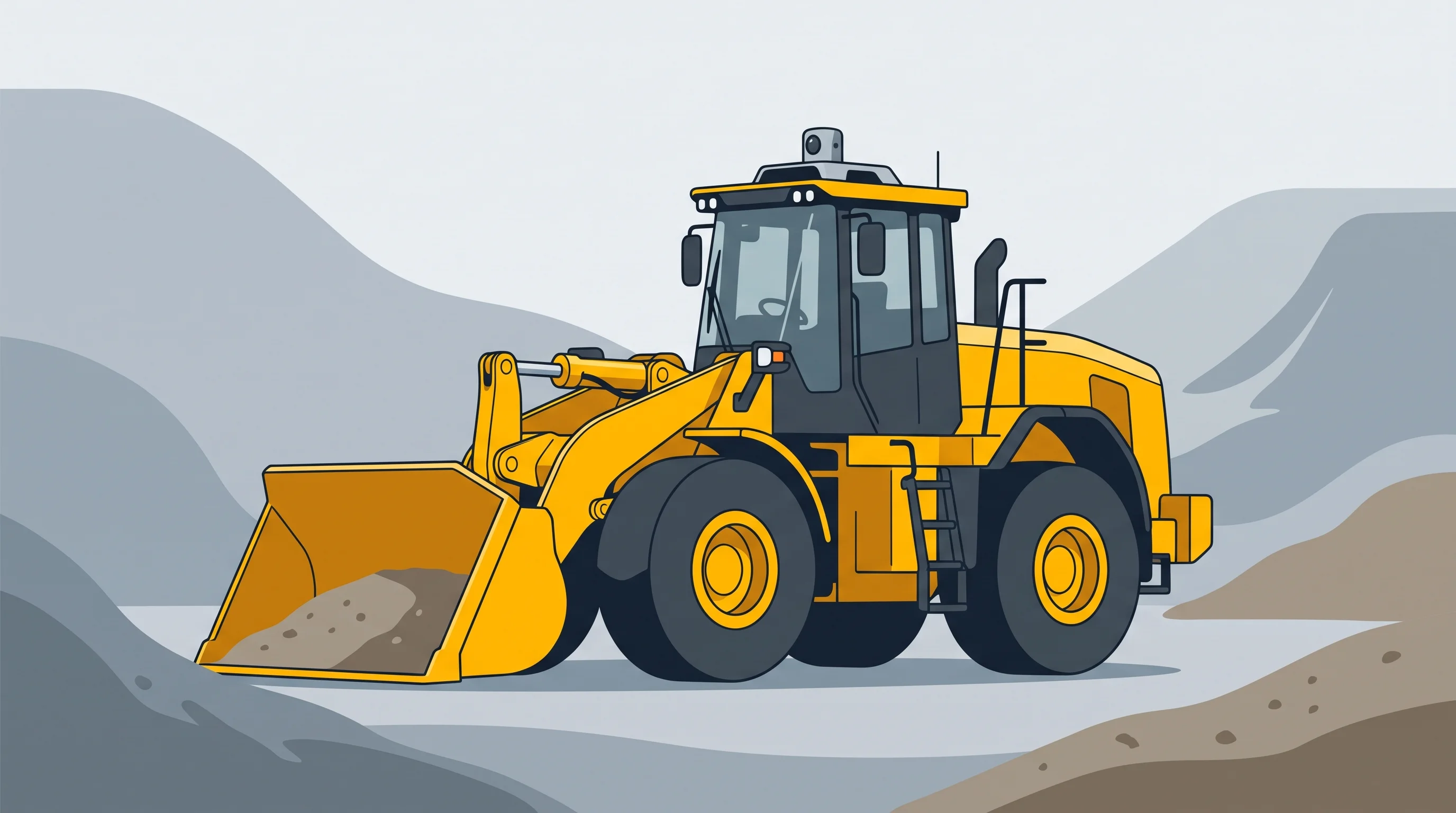
HIVE's tech stack centers on ODIN, a foundation model trained for 360-degree perception in unstructured industrial environments. The platform supports both supervised autonomy—where a human watches multiple machines simultaneously—and full remote operation when conditions demand it. The wireless requirement has pushed the company into close partnerships with telecom providers; 5G latency and reliability become mission-critical when you're moving 20-ton machines near people.
Nysnø's participation signals where the business case extends beyond labor arbitrage. In a LinkedIn post following the round's announcement, the climate fund pointed to HIVE's projection of an 80 percent reduction in productive machine-hour costs. Lower costs per hour worked translate to faster project completion, which in infrastructure often means lower emissions from idling equipment and compressed timelines. Whether that math holds at scale remains to be seen, but the narrative has traction with ESG-minded LPs.
SuperSeed, the lead investor, has made Physical AI its core thesis. The London firm sees industrial B2B as ripe for the kind of step-function automation that software brought to knowledge work. Skyfall Ventures, based in Oslo, called the deal "a statement round for European industrial autonomy" in its own post-close commentary—venture-speak for "we wanted in before the valuation ran away."
Conservative Customers, Enterprise Playbook
The angel list adds helpful weight. Hald scaled Medallia through its Sequoia-backed growth and eventual public offering, navigating enterprise sales cycles that stretched quarters. Lyseggen built Meltwater into a global media intelligence operation before stepping back. Both understand the peculiar challenge of selling into industries where safety certifications, procurement committees, and multi-year pilots are standard. Construction firms don't move fast. They move carefully.
HIVE's team, which LinkedIn profiles suggest numbered around 32 employees as of July, will now expand. The capital goes toward scaling deployments with existing partners, adding new customers, and pushing the technology closer to the cost benchmarks that make retrofit autonomy a no-brainer for CFOs. There's also a U.S. expansion on the roadmap, though details remain vague—perhaps deliberately so, given regulatory complexity.
The timing fits a broader surge. The European Innovation Council launched a major challenge program earlier this year focused on embodied intelligence and industrial robotics, drawing north of 400 proposals. Investor appetite for the category has accelerated, with record funding flowing into robotics and autonomy startups through the first half of 2026, according to Pitchbook data. After a decade of underwhelming returns, Physical AI is having a moment.
Not Chasing the Humanoid Hype
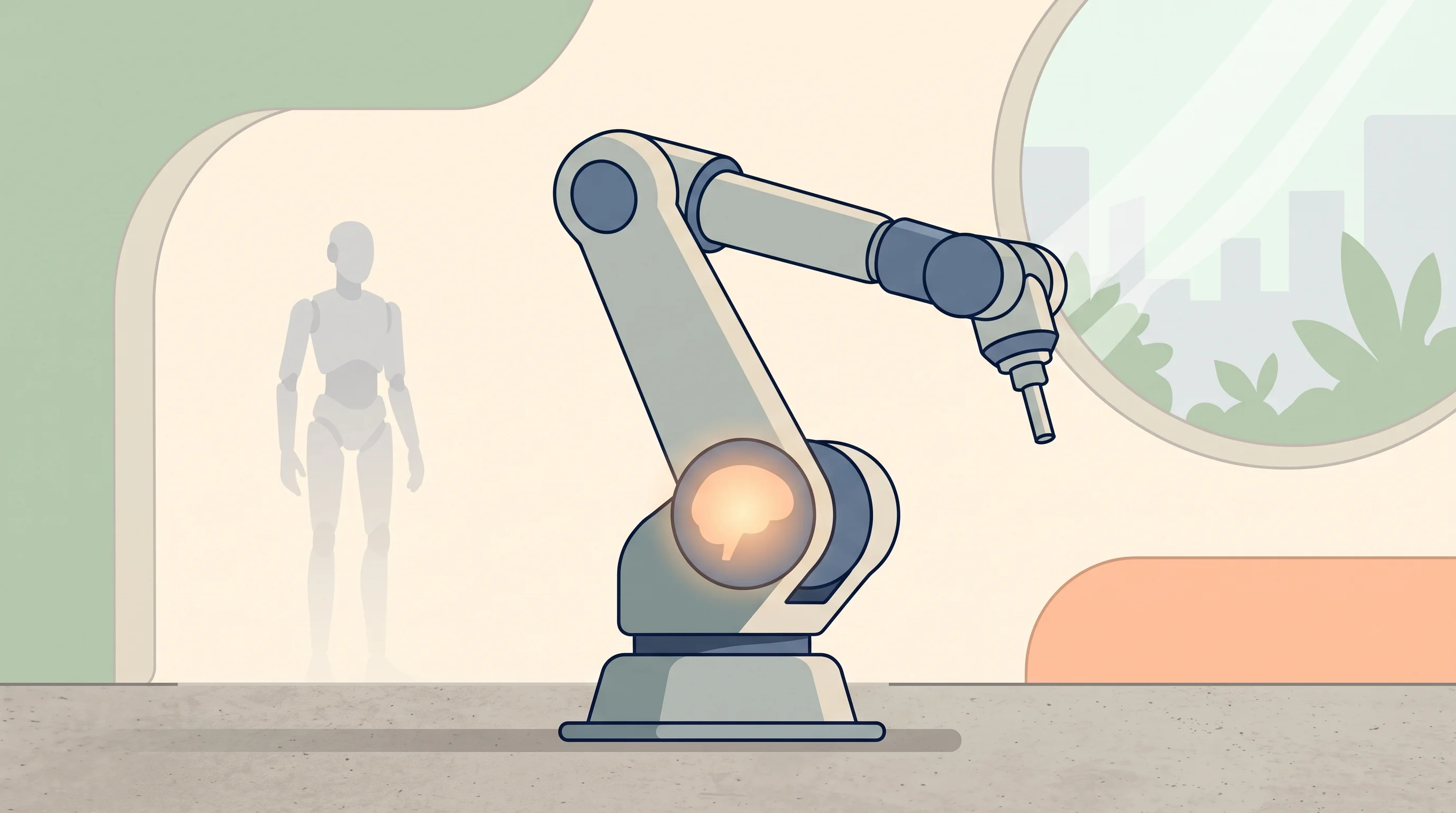
What HIVE conspicuously isn't doing is building bipedal robots to stock shelves or fold laundry. The humanoid wave has captured headlines and imagination—and significant capital—but HIVE's founders seem unbothered by the spectacle. Their machines already exist. They just need brains.
There's a certain unglamorous pragmatism to it. No viral demo videos of robots doing backflips. Just loaders moving gravel, autonomously, in Norwegian quarries. The appeal, at least for investors and customers who've watched robotics hype cycles come and go, may be exactly that.
Bringager's remote demonstration in Birmingham wasn't about showing off. It was about proving, quietly and methodically, that the technology works in production. That it scales. That conservative industries might actually buy it. In venture capital, proving those things is worth $15 million in seed capital. Maybe more, if the deployments keep running smoothly and the unit economics hold.


