

The American chemical industry has a geography problem, and it took a winter storm to expose it.
When Uri slammed into Texas in February 2021, the freeze didn't just knock out power—it severed the arteries of U.S. chemical production for months. Texas and Louisiana together accounted for roughly 80% of America's primary petrochemicals as of 2021, a concentration that looked brilliantly efficient right up until the ice came. What centralized infrastructure actually means, it turned out, is single points of failure cascading across entire supply chains.
Now a cohort of startups is betting the solution isn't building bigger plants in Houston. It's building smaller ones everywhere else. Including, oddly enough, next to sewage treatment facilities.
Rise Reforming, a Y Combinator-backed venture, shipped a containerized pilot plant to a Chicago-area wastewater facility this past July. The unit is designed to convert biogas—the methane that bubbles up from sewage treatment, usually flared or vented—into dimethyl ether and methanol. These aren't exotic molecules. They power aerosol cans, blend into propane, and increasingly fuel container ships. The company has raised over $1.7 million to date and, according to the company, expects the pilot online sometime in 2027, with wastewater plants serving as the initial wedge market before expansion to dairy farms and landfills.
What makes the timing compelling isn't just the technology. Three separate crises—supply chain fragility, regulatory pressure on high-emissions propellants, and a surprising glut of wasted biogas—are colliding in ways that make distributed chemical production suddenly, unexpectedly viable.
The Concentration Problem
The petrochemical belt along the Gulf Coast remains a marvel of industrial efficiency. It's also, increasingly, a case study in systemic risk.
When Uri hit, refineries and chemical plants went offline en masse. The Dallas Fed documented reverberations that lasted months, rippling through plastics, fertilizers, specialty chemicals. And Uri wasn't an isolated event. Between 2024 and 2026, global shipping endured serial disruptions: labor strikes shutting down East and Gulf Coast ports, alongside broader geopolitical tensions affecting maritime trade routes. The American Chemistry Council warned in October 2024 that port strikes alone risked "major disruption" to chemical imports and exports.
Geographic concentration amplifies these shocks. Texas Comptroller data from 2021 confirms that the Lone Star State and Louisiana dominated U.S. primary petrochemical output. That concentration made perfect sense when scale was everything and feedstocks flowed predictably. But the past five years? They've demonstrated, rather emphatically, that predictability is a luxury the industry no longer enjoys.
Which brings us to the modular thesis: what if chemicals could be produced where waste gas already exists, using equipment small enough to ship in a standard container?
The Biogas Opportunity Nobody's Using
The United States operates roughly 2,600 biogas facilities as of 2026, according to the American Biogas Council. These include 599 landfill gas projects and 631 farm digesters—the latter category more than doubled since 2020. Investment in new biogas systems topped $2 billion in 2025 alone.
Yet a significant portion of that gas still gets flared or vented. The ABC estimates up to 455 billion cubic feet per year of additional untapped landfill gas potential, and recent satellite studies suggest official inventories underreport actual methane emissions from landfills. The mitigation opportunity, in other words, may be even larger than the industry realizes.
Rise Reforming's founders—CEO George Rose, CTO Lucas Zubillaga, and COO Jona van Oord—initially focused on plastics feedstock before pivoting to biogas-to-chemicals. The shift reflects both technical learnings and market realities. "We realized wastewater treatment plants had consistent, year-round biogas flows and an incentive to do something useful with it," the team noted in a July 2026 University of Chicago announcement. The founders estimate U.S. biogas could support over $20 billion per year in chemical production, though much of that potential currently drifts into the atmosphere.
The technology converts biogas into synthesis gas, then catalytically processes it into dimethyl ether, methanol, and dimethyl carbonate. Rise completed a proof-of-concept after logging more than 1,800 hours of syngas production as of March 2026. By April, the company had signed a DME offtake agreement for its first commercial unit and inked multiple memoranda of understanding with biogas producers. The modular format—containerized plants deployed on-site—aims to sidestep the capital intensity and permitting headaches of traditional chemical facilities.
They're hardly alone. Oberon Fuels began producing renewable DME in California back in May 2021, targeting aerosol propellants and LPG blending. OCOchem commissioned a pilot in May 2025 using electrochemical cells to convert CO₂ and water into formates, explicitly pitching a "modular molecule factory." LanzaTech operates six commercial plants converting industrial off-gases into ethanol; its Steelanol facility in Ghent churns out roughly 80 million liters annually. Meanwhile, companies like Circularity Fuels and INERATEC are developing electrified reformers and power-to-liquid modules that could slot into industrial sites or renewable energy hubs.
The ecosystem is broader than most industry observers expected even two years ago.
Market Forces Converging
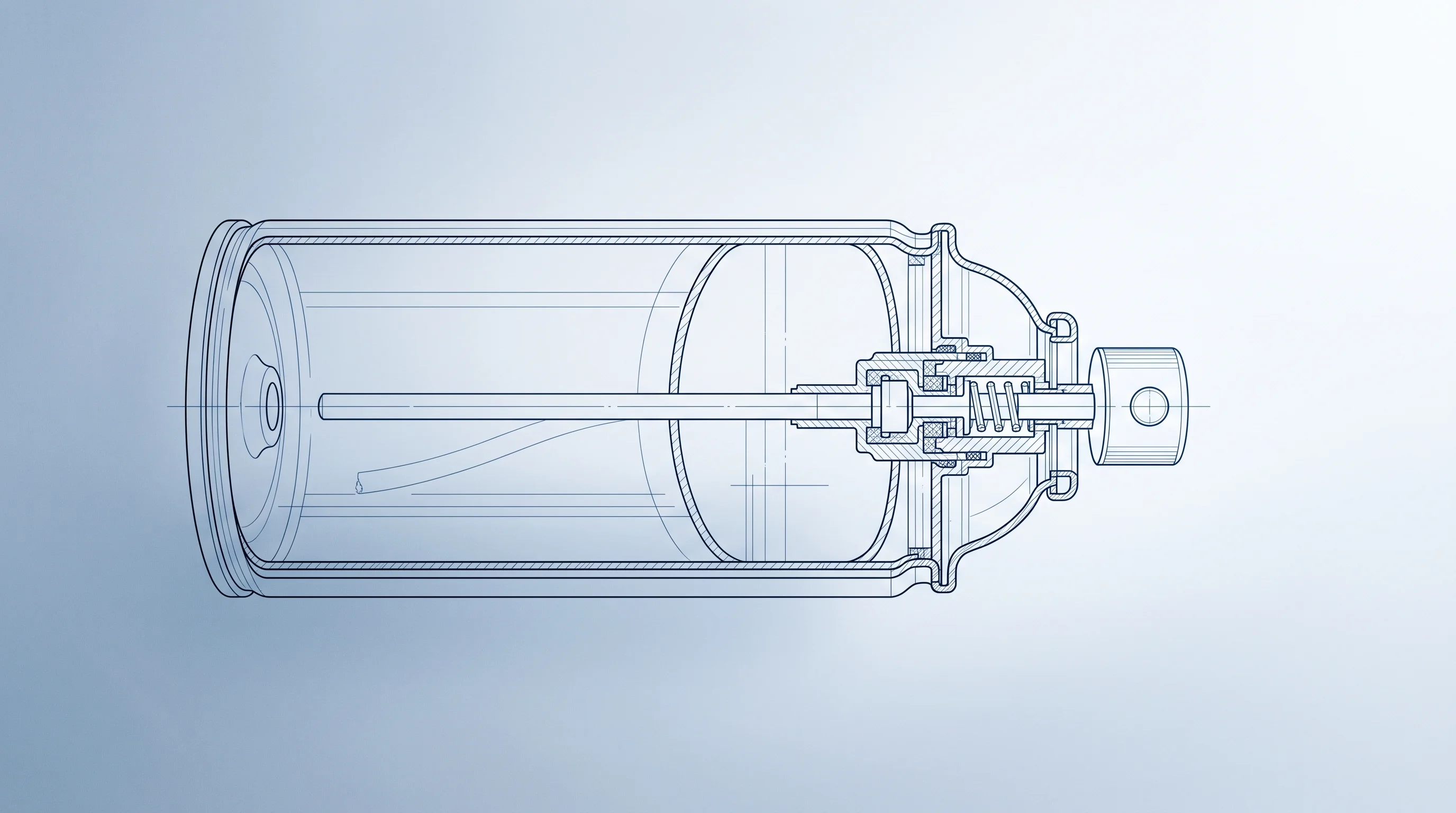
Regulatory shifts are creating pull for these chemicals from unexpected quarters.
The EPA's HFC phasedown—mandating an 85% reduction in hydrofluorocarbon production and consumption by 2036—has begun reshaping aerosol propellant markets. Technology transition rules that took effect in January 2025 cap the global warming potential of propellants in consumer aerosol products at 150, pushing formulators toward hydrocarbons, DME, HFO-1234ze, or HFC-152a depending on product category and volatile organic compound constraints.
The U.S. aerosol market was valued at $15.54 billion in 2024 and is projected to reach $21.56 billion by 2033, according to Grand View Research. DME's role as a propellant is expanding as HFCs phase out, though category-specific VOC rules create formulation complexities formulators are still navigating. Oberon Fuels markets renewable DME specifically for this application, and industry players like Dimeta—a joint venture focused on renewable DME for LPG markets—are scaling capacity across the U.S. and Europe.
Then there's marine fuel, which matters more than you'd think. International Maritime Organization regulations approved in April 2025 set mid-term greenhouse gas measures including a fuel standard and pricing mechanism, with implementation guidelines expected in 2026. The European Union's FuelEU Maritime rules impose GHG-intensity limits on ship energy starting in 2025, ramping through 2050. Methanol has emerged as a leading alternative fuel; DNV's Alternative Fuels Insight platform has tracked significant growth in methanol-capable vessel orders, with 138 methanol-capable ships ordered in 2023 representing a notable surge in adoption. While 2026 saw slower order growth, the cumulative methanol fleet and orderbook remain substantial. Ports are building bunkering infrastructure to support the transition, albeit slower than shipowners might prefer.
The dimethyl ether market itself is expanding. Fortune Business Insights valued it at $11.09 billion in 2025, projecting growth to $24.13 billion by 2034—a 9% compound annual growth rate driven by aerosol propellants, LPG blending, and potentially diesel substitution in Asia-Pacific markets.
Federal incentives add another layer, though with caveats worth noting. The Section 45Z Clean Fuel Production Credit applies to transportation fuels produced between 2025 and 2027 that meet lifecycle carbon intensity thresholds. Renewable DME sold as vehicle fuel or blended into propane for transportation could qualify; DME for industrial aerosols would not. The Section 45V hydrogen production tax credit, finalized in January 2025, matters for e-methanol and e-DME pathways reliant on green hydrogen. Both credits tilt economics, but the details—as always with tax policy—matter enormously.
The Pioneers and the Skeptics
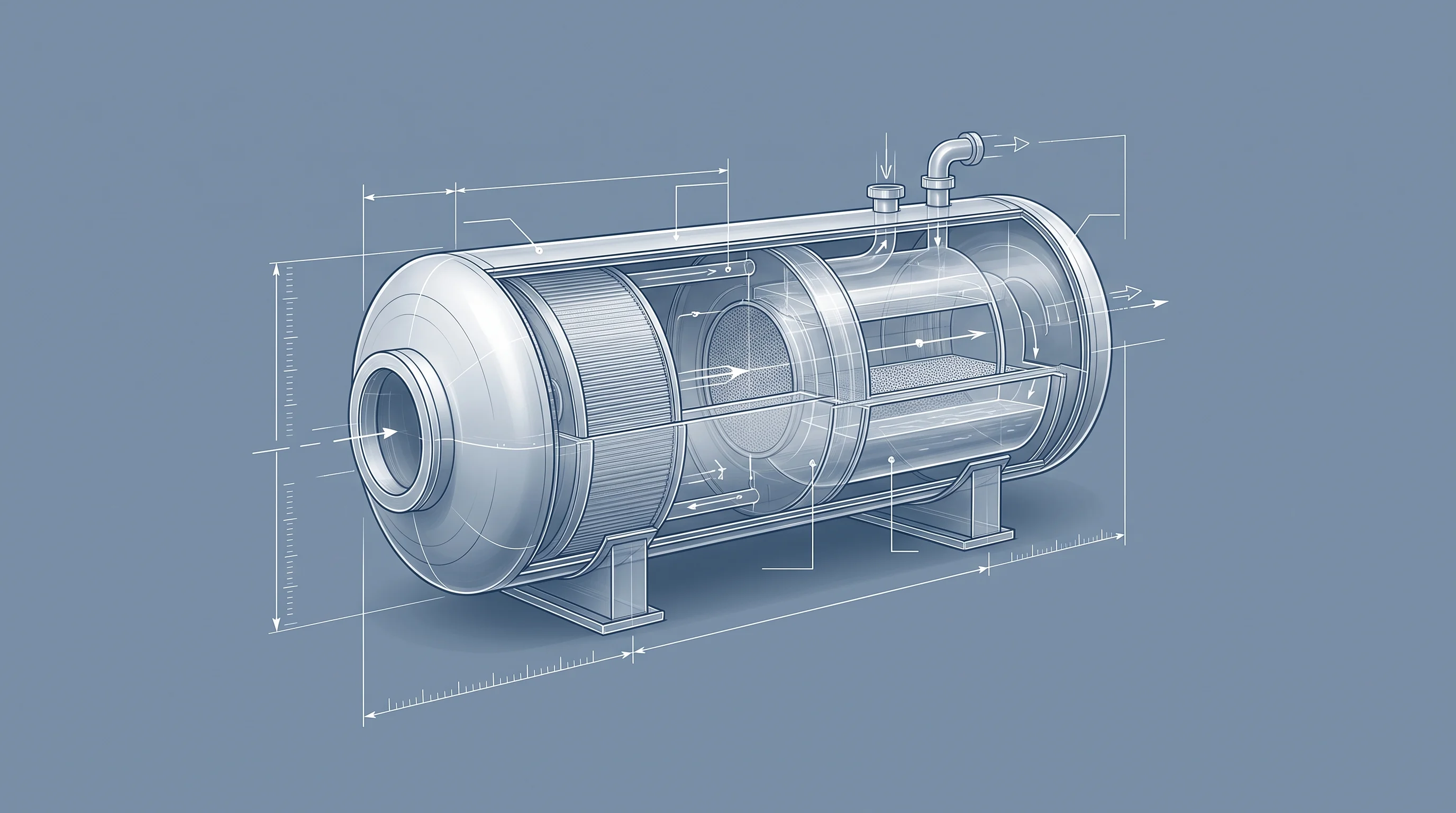
Carbon Recycling International has licensed its emissions-to-liquid technology to multiple CO₂-to-methanol plants in China, claiming over 200,000 metric tons per year of installed sustainable methanol capacity as of mid-2026. Enerkem's Varennes Carbon Recycling project in Quebec—targeting roughly 237,000 metric tons annually of circular methanol from non-recyclable waste—was aiming for startup around 2026. Twelve began commercial e-SAF production at its Moses Lake, Washington facility in June 2026, an approximately 50,000-gallon-per-year plant demonstrating power-to-liquid pathways that also produce methanol intermediates.
Each represents a different slice of the distributed-chemistry vision: waste-to-value, power-to-chemicals, off-gas capture. The common thread? Breaking free of the traditional petrochemical model that ties production to massive coastal complexes and global feedstock flows.
Yet the modular approach faces real constraints. Peer-reviewed work in 2025 on electrified reforming, plasma valorization, and chemical looping highlights technical progress in small-scale methane conversion—but also notes efficiency penalties and capital cost challenges relative to established processes. Economies of scale remain powerful, perhaps stubbornly so. A containerized plant may cost less to build and deploy, but producing chemicals at $X per ton in a distributed network has to compete with $Y per ton from a world-scale cracker. That delta can be unforgiving.
The 2026 slowdown in alternative-fuel ship orders, per DNV's Alternative Fuels Insight reports, introduces near-term demand uncertainty for methanol even as longer-term compliance drivers persist. And while biogas resources are substantial, capturing and processing them at thousands of dispersed sites is operationally different than running a single large plant. Rise Reforming's staged rollout—starting with wastewater, then dairy, then landfills—reflects the need to prove the model works before scaling aggressively.
What Founders and Incumbents Should Watch
For chemical industry executives, the question isn't whether centralized production will disappear. It won't. But the risk calculus is shifting, and perhaps faster than quarterly planning cycles capture. Supply chain shocks are no longer edge cases, and customers are asking harder questions about source diversity and carbon intensity. Modular plants won't replace Gulf Coast crackers, but they might capture niches where proximity, emissions, or feedstock availability create an opening.
Climate tech investors, meanwhile, are eyeing infrastructure resilience as a distinct category. Rise Reforming's backers include Y Combinator, 776 Foundation (CEO George Rose was named a 2025 Climate Fellow by Alexis Ohanian), LongJump VC, and a Department of Energy voucher awarded in November 2024 after the company won first place in the DOE EnergyTech University Prize. The pitch is part decarbonization, part industrial strategy: turn stranded emissions into supply-secure chemicals.
Policy plays a decisive role, naturally. The EPA's HFC phasedown is already bending markets in real time. The 45Z and 45V credits provide tailwinds for low-carbon fuels and hydrogen, though their narrow eligibility windows and definitional boundaries mean not all biogas-to-chemical pathways will benefit equally. IMO and EU maritime rules are creating transoceanic demand for methanol, but port infrastructure and bunkering logistics still lag implementation.
For founders building in this space, the lesson from Rise Reforming and its peers is that technology alone isn't enough. It rarely is. The commercial model hinges on finding customers who value security of supply or regulatory compliance as much as price, and on accessing feedstocks that incumbents have ignored or dismissed. Wastewater plants, dairy farms, and landfills aren't glamorous. But they produce methane that's otherwise wasted—and that turns a pollution problem into a margin opportunity.
The Test Case
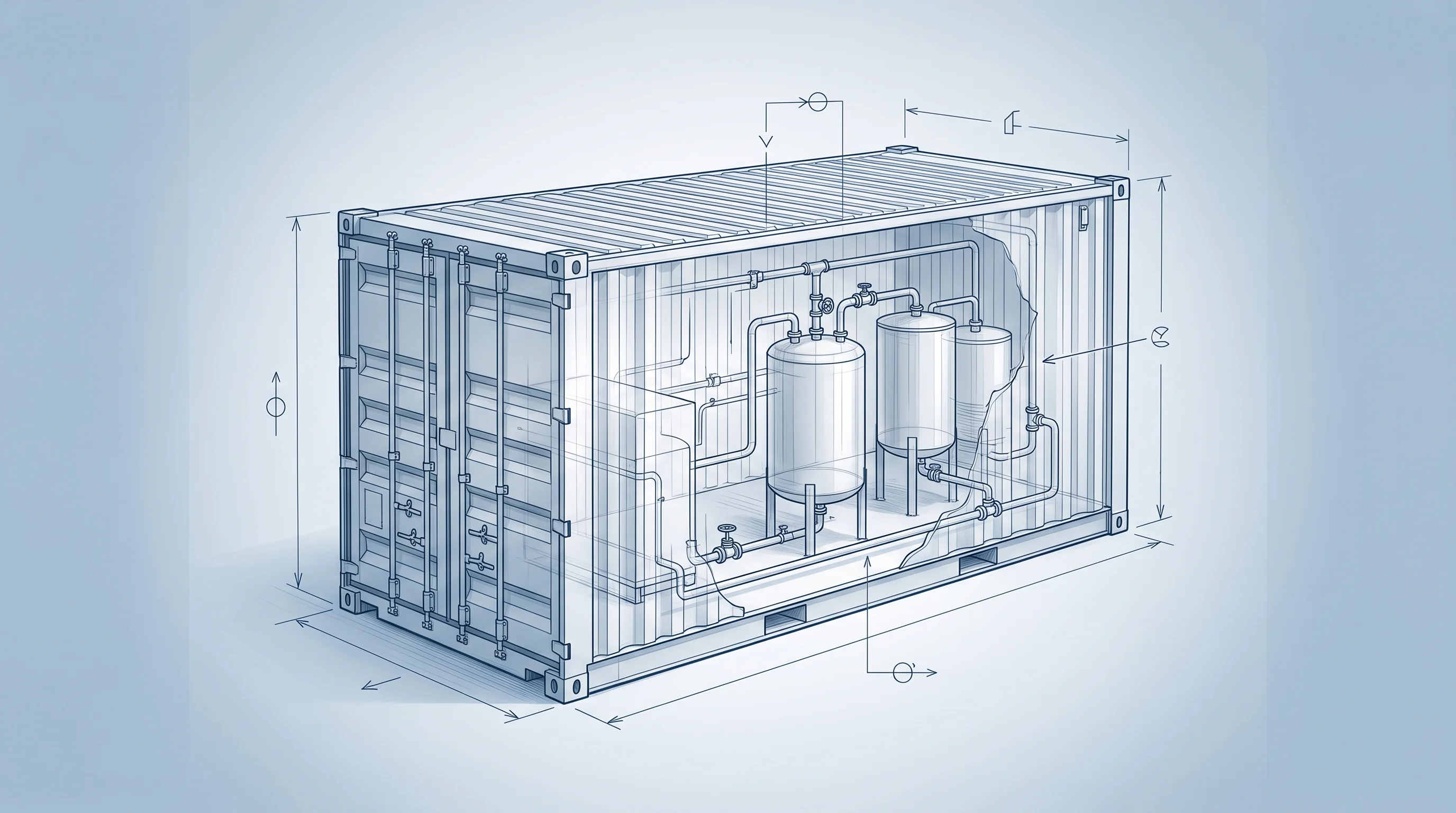
The containerized plant Rise Reforming delivered to its Chicago pilot site this past July is a test case worth watching.
If it works—if on-site biogas conversion can produce chemicals at competitive cost and reliable quality—then perhaps the Gulf Coast's stranglehold on American chemistry begins to loosen, one shipping container at a time. If it doesn't, the centralized model endures, vulnerabilities and all. Incumbents will take note either way.
The industry, for its part, is already watching. Chemical executives tend to be pragmatists. They've seen too many revolutions that weren't. But they've also lived through Uri, port strikes, and Red Sea disruptions. They know what fragility costs.
Whether a sewage plant in Chicago becomes the blueprint for the next phase of American chemical production remains an open question. But it's no longer a ridiculous one.


