

A Copenhagen-based biotech startup announced this week it has opened a €3.5 million seed round, betting that artificial intelligence can replace the laborious screening work that typically consumes months in pharmaceutical laboratories.
Immunordic, a three-year-old company co-founded by Emil Arvedsen and Jannik Faliu, declined to name lead investors or disclose its valuation. The round remains open, the company said, as it courts backers for its Verabind platform, which uses machine learning to design protein binders for drug development.
The pitch is familiar in biotech circles: use computation to collapse timelines and cut costs. What distinguishes Immunordic's approach, at least on paper, is the claim that it can identify viable protein binders in as little as two weeks. Traditional methods can stretch for months.
Whether that speed holds up at scale remains an open question. The company has offered limited public data to support its performance claims.
Racing Against Biology
Immunordic operates from the Symbion Østerbro campus, a hub for life sciences startups in Denmark's capital. The company said it now employs six people, up from two when it incorporated in January 2023. Danish registry data shows modest but steady revenue growth: gross profit climbed to roughly €315,000 last year from about €73,000 in 2023, according to summaries on Proff.dk.
The founders bring complementary credentials. Arvedsen holds a PhD; Faliu has a master's degree in science. In a profile published by Innovation District Copenhagen last November, Arvedsen framed their mission plainly: "We wanted to make nanobodies available to anyone who might need them in their research."
The startup has assembled the infrastructure to back that ambition. Regulatory approval from Denmark's Environmental Protection Agency arrived in May, allowing the company to work with genetically modified E. coli strains in-house. A month later, Immunordic gained access to Gefion, Denmark's AI supercomputer, through the Danish Centre for AI Innovation.
Those capabilities matter. The Verabind platform combines computational design with lab-based validation, screening candidate binders that include de novo minibinders and single-domain antibodies. Immunordic said the system draws on more than 10 million data points and applies proprietary filters to rank candidates before they ever touch a test tube.
Performance Claims, Quietly Made

In January, the company posted results on LinkedIn: 80% overall accuracy and 100% precision for binder identification in a small test set. That data has not been updated publicly since, nor has it appeared in peer-reviewed publications. For a company positioning itself to disrupt drug discovery, the silence is notable.
Still, partnerships are forming. Immunordic announced in June that it would collaborate with an undisclosed biotechnology firm developing nanobody drug conjugates for breast and lung cancer. The same month, the startup said it secured an Innobooster grant from Innovation Fund Denmark to build similar capabilities internally, though the grant does not appear in the fund's public listings.
In August, Immunordic placed second in the Life Science Pitch Competition at TechBBQ, Copenhagen's flagship tech conference.
Crowded Field, High Stakes
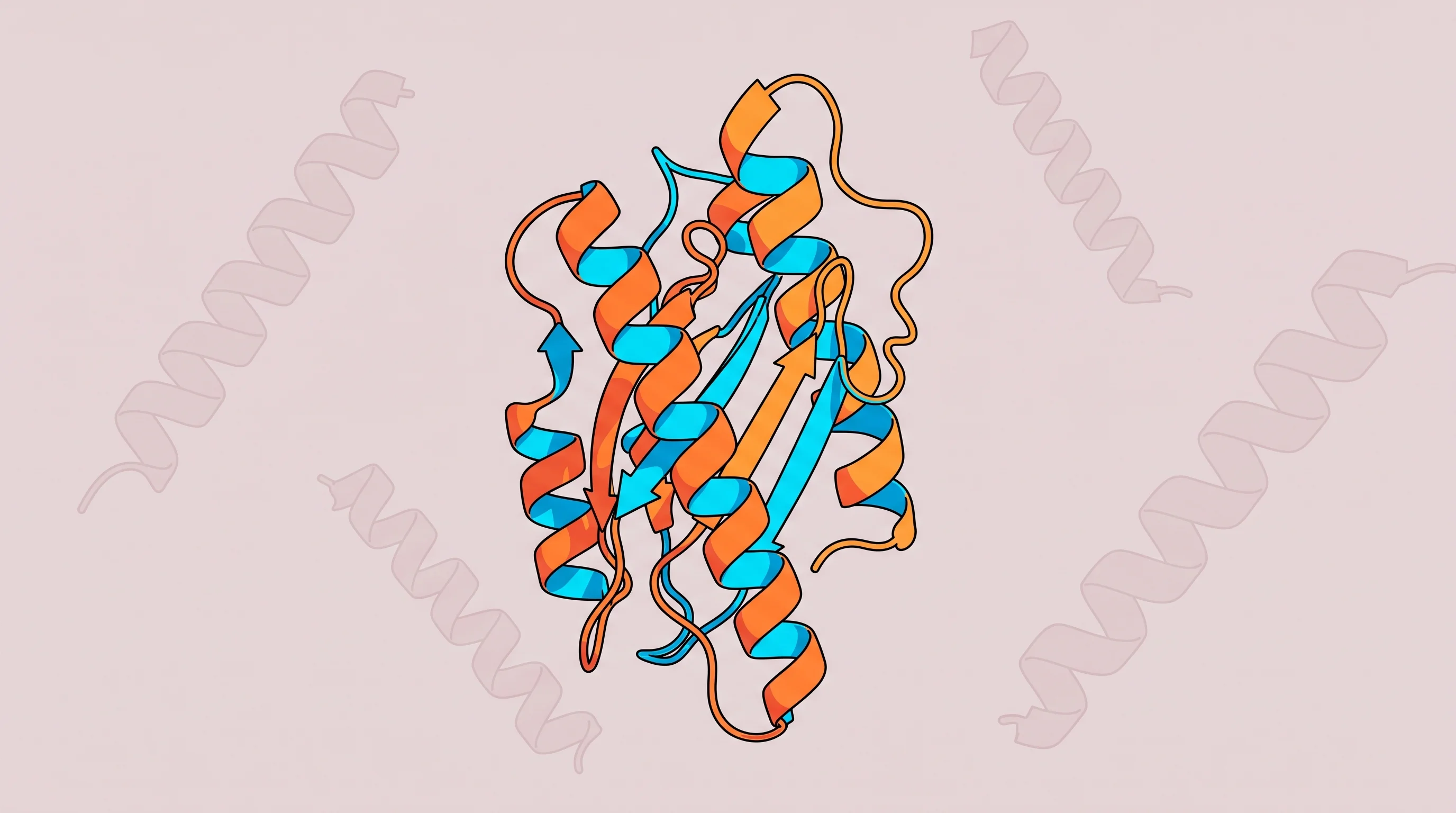
The startup enters a competitive arena. AI-driven protein design has attracted significant venture interest, with established platforms cataloged by CB Insights and academic labs publishing breakthroughs at a steady clip. Academic researchers demonstrated AI-enabled discovery of minibinders targeting cancer proteins in Nature Communications earlier this year. Meanwhile, organizations like the Institute for Protein Design and companies such as Vilya have pushed de novo protein engineering into therapeutic applications.
European efforts are also gaining momentum. The ALADDIN project, a multi-institution initiative, has drawn attention for its work on antibody discovery using machine learning.
For Immunordic, the path forward hinges on converting technical capability into commercial traction. "When you are a start-up, you need to succeed a lot of times before you can start selling your solution as a product," Faliu told Innovation District Copenhagen last year.
The company is betting that €3.5 million will buy enough runway to prove the model works. Whether investors will come along for the ride, and at what terms, remains to be seen.


