

The pitch sounds almost too bold: a handheld gaming console from Kerala for roughly a quarter of what Asus charges. ARC, the startup behind the device, opened beta testing for its X1 handheld on July 27, targeting a sub-$300 price point that would—if achieved—dramatically undercut established players. The company was incorporated in April 2025.
Whether this gamble pays off hinges on execution details ARC hasn't disclosed yet. But the approach itself represents something of a departure: ARM chips instead of x86 processors, local assembly in India, an Android-based operating system rather than Windows. It's a bet that mobile gaming plus selective PC compatibility at a fraction of the usual cost might find traction in India and similar markets.
Maybe more than the founders initially expected.
Testing, Not Celebrating
ARC structured its beta program as actual product validation work, not a promotional stunt. The company is drawing participants from its existing waitlist, selecting testers based on diverse gaming habits rather than whoever signed up first. Initial invitations went out shortly after the July announcement; by August 1, newly added waitlist members became eligible for subsequent rounds.
Testers will evaluate the usual suspects: hardware ergonomics, battery life, system stability, frame rates, game compatibility. "Building a gaming handheld isn't just about engineering great hardware – it's about understanding how gamers actually play," co-founder Kaustubh K. Jadhav said when announcing the program.
When the device might actually reach retail shelves? Unannounced.
The ARM Gambit

Here's where ARC diverges from the Windows-on-AMD-or-Intel formula that defines most competitors. The X1 uses an ARM-based chipset—the partner remains unnamed, apparently slated for a co-announcement down the line. According to a July 27 interview, the custom OWL OS sits atop the Android Open Source Project, featuring a controller-first interface and what the company describes as a compatibility stack layering Linux kernel, hardware abstraction, Proton for Windows games, Android Runtime, Steam integration at the system API level, and ARC's own app layer.
It's a technical Jenga tower.
In a July 27 interview with Digit, Jadhav explained that native Android titles—BGMI, Call of Duty Mobile, Genshin Impact—run on physical controls through what he called a "20-point touch system." According to Jadhav, PC game compatibility relies on an emulation stack using GameHub and GameNative. Jadhav claimed that roughly 25-30% of the Steam library currently runs on the device.
That's a founder assertion. Independent verification is pending.
Other specifications remain vague. ARC mentions a 7-inch-plus bezel-less display and proprietary haptics that Jadhav insists go "beyond current handhelds including ROG Ally." Assembly happens at two facilities in Bengaluru and Chennai. The company noted that the device's 16-layer PCB requirements exceeded typical Indian electronics manufacturing capabilities at the time—a constraint that pushed them to reject white-labeling in order to retain proprietary technology.
Or so they say.
The Price Delta

ARC's target sits below $300, approximately ₹25,000. Context: in January, Asus India reported the ROG Ally X selling at ₹1,14,990. MSI's Claw 8 EX AI+ launched globally in July with pricing around $1,700-$1,800; India availability remains unclear. Lenovo's Legion Go has official India listings, though community discussions frequently flag availability and pricing headaches. Steam Deck isn't officially sold in India—most purchases happen through imports, often at inflated prices.
If ARC hits its target, the delta is substantial.
What's conspicuously missing: final specifications. No confirmed chipset vendor. No RAM or storage configurations. No battery capacity in watt-hours, no weight, no I/O details. Media coverage consistently notes that specs remain "to be announced," which at this stage raises as many questions as it answers.
The Company Itself
The legal entity behind ARC—Zenali Innovative Technologies Private Limited—incorporated in April of last year with authorized and paid-up capital of INR 2 lakh each, according to corporate registry data updated June 30. Directors listed are Jobin Joseph and Radhakrishnan Sindhu Abhiram Krishna. The registered address is in Thiruvananthapuram, Kerala. (A minor discrepancy: Digit spelled the company "Zenalli" with double-l; registry sources show single-l "Zenali.")
No funding rounds, investors, or valuation have been publicly disclosed. The company could be bootstrapped or quietly seed-funded; either way, there's been no announcement. LinkedIn lists the employee count at 11-50—self-reported, as always, and subject to change.
The waitlist opened in early July. The founders have embraced "building in public" positioning with video content and LinkedIn updates—a strategy that generates buzz but also invites scrutiny. Reddit threads in Indian gaming communities show cautious optimism mixed with speculation about possible rebranding or white-labeling, concerns the company has explicitly pushed back against in interviews.
The Real Test
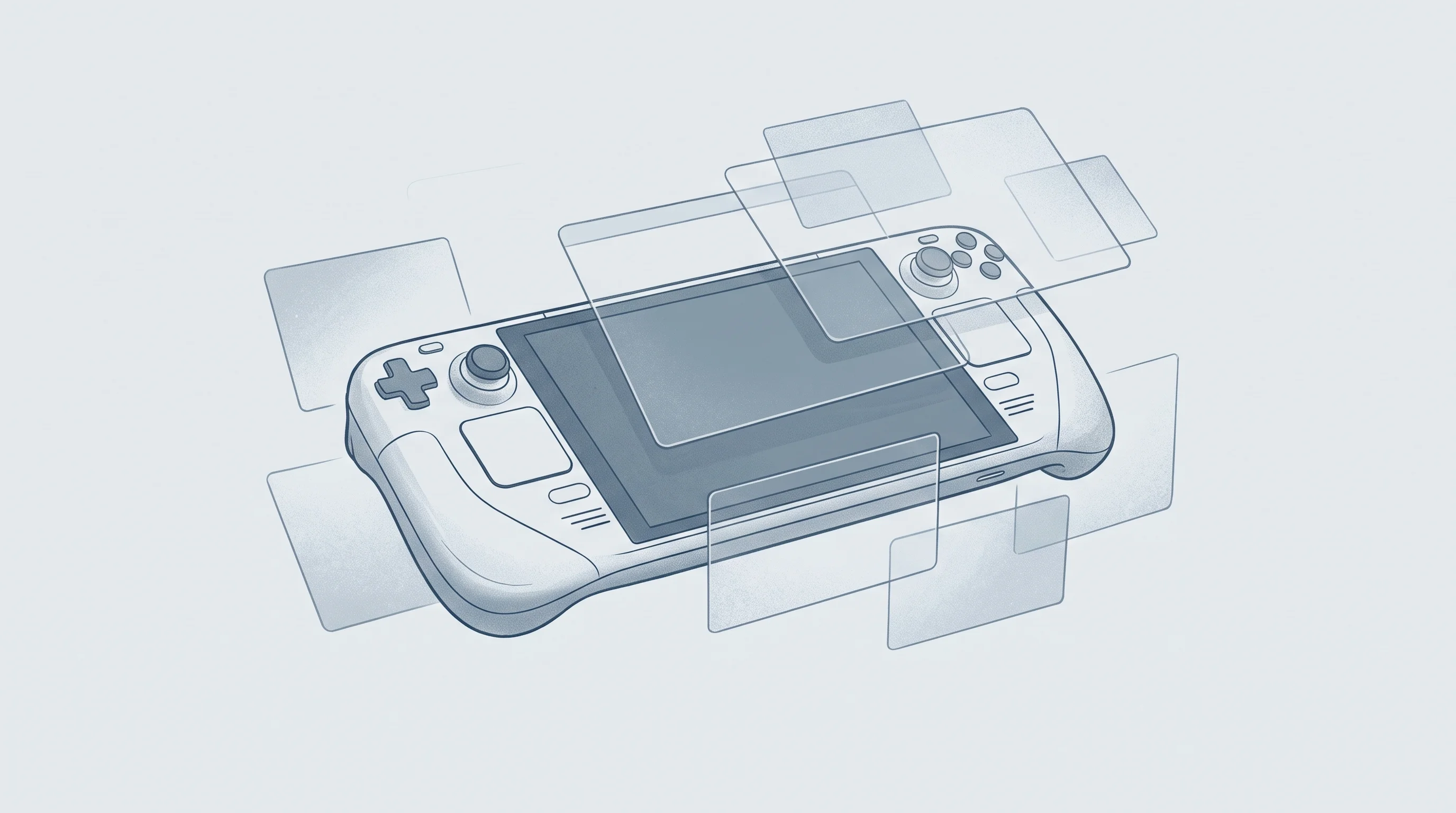
ARM architecture on a gaming handheld isn't exactly novel. Nintendo's Switch proved the concept works within its own ecosystem. But running a quarter of Steam's catalog through translation layers while maintaining playable performance and acceptable battery life is a different technical challenge altogether.
ARC's claims need real-world validation. That's precisely what the beta program should provide, assuming testers actually stress-test the device rather than just generate promotional content.
The sub-$300 target also raises inevitable questions about component choices and margins. Established players command premiums partly because they ship known quantities—x86 compatibility, Windows, mainstream silicon from AMD or Intel. ARC's bet is that mobile gaming (Android titles) plus selective PC compatibility at a fraction of the price finds a large enough market in price-sensitive economies.
It's a bet that requires near-flawless execution.
Jadhav has described the X1 as potentially "gaming's iPod moment"—the kind of language that either presages genuine disruption or becomes a cautionary tale about startup hubris. Which outcome materializes depends on execution details the company will need to disclose soon, probably before the beta enthusiasm fades.
The waitlist remains live at playarc.gg. Selection criteria reportedly favor diverse testing profiles over registration speed, though the company hasn't detailed how it makes those determinations. For now, the device exists primarily as a promise—ambitious, intriguing, and entirely unproven.
Whether it becomes something more substantial than that remains an open question.


