

A £50 heart. Fifteen minutes. No blood, no buzz of a needle gun, and—according to the founders—no pain worth mentioning. That's the pitch from CipherX Technologies, the London biotech that unveiled what it's calling the first commercial application of a painless permanent tattoo system at a Shoreditch event last July.
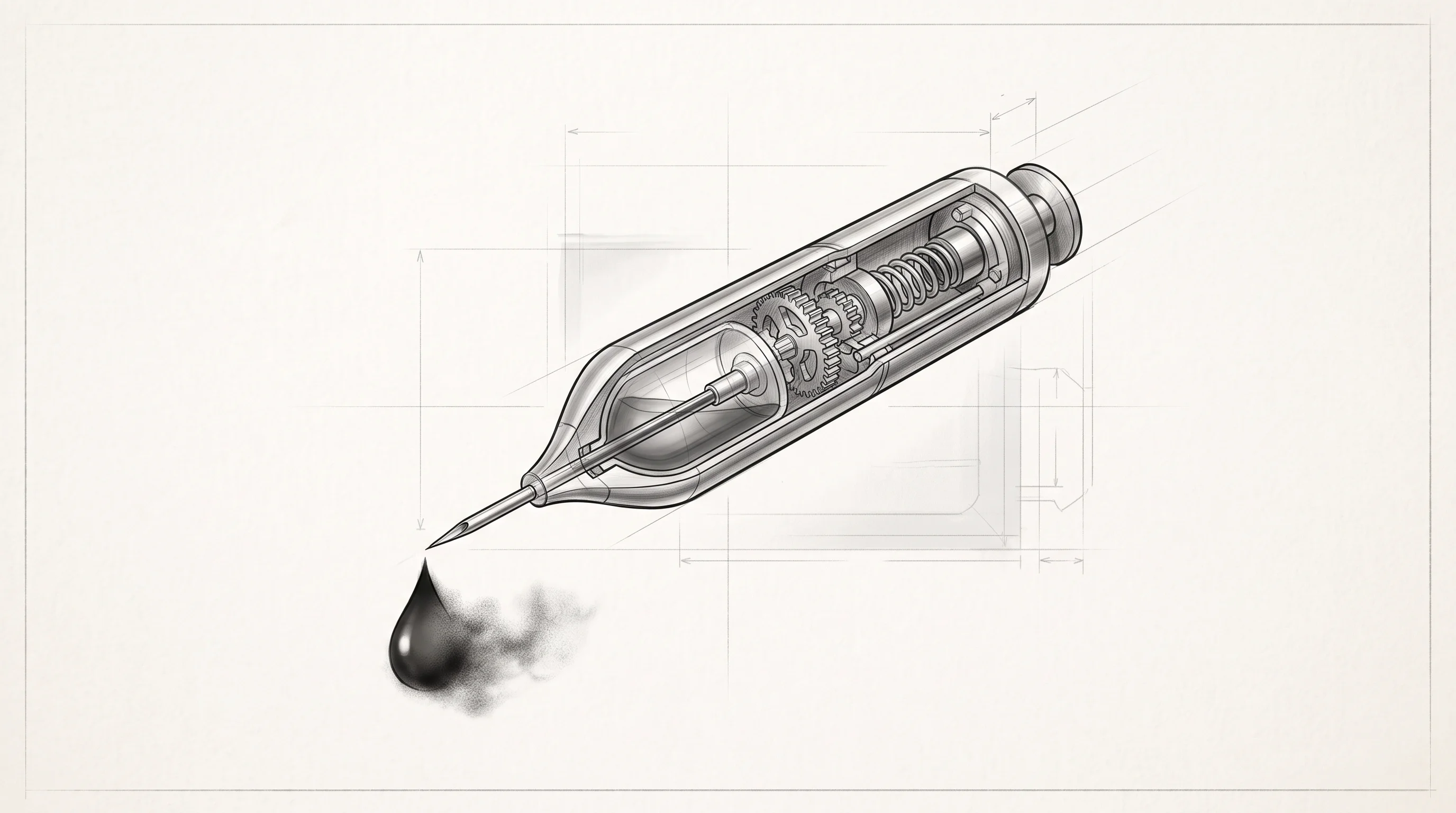
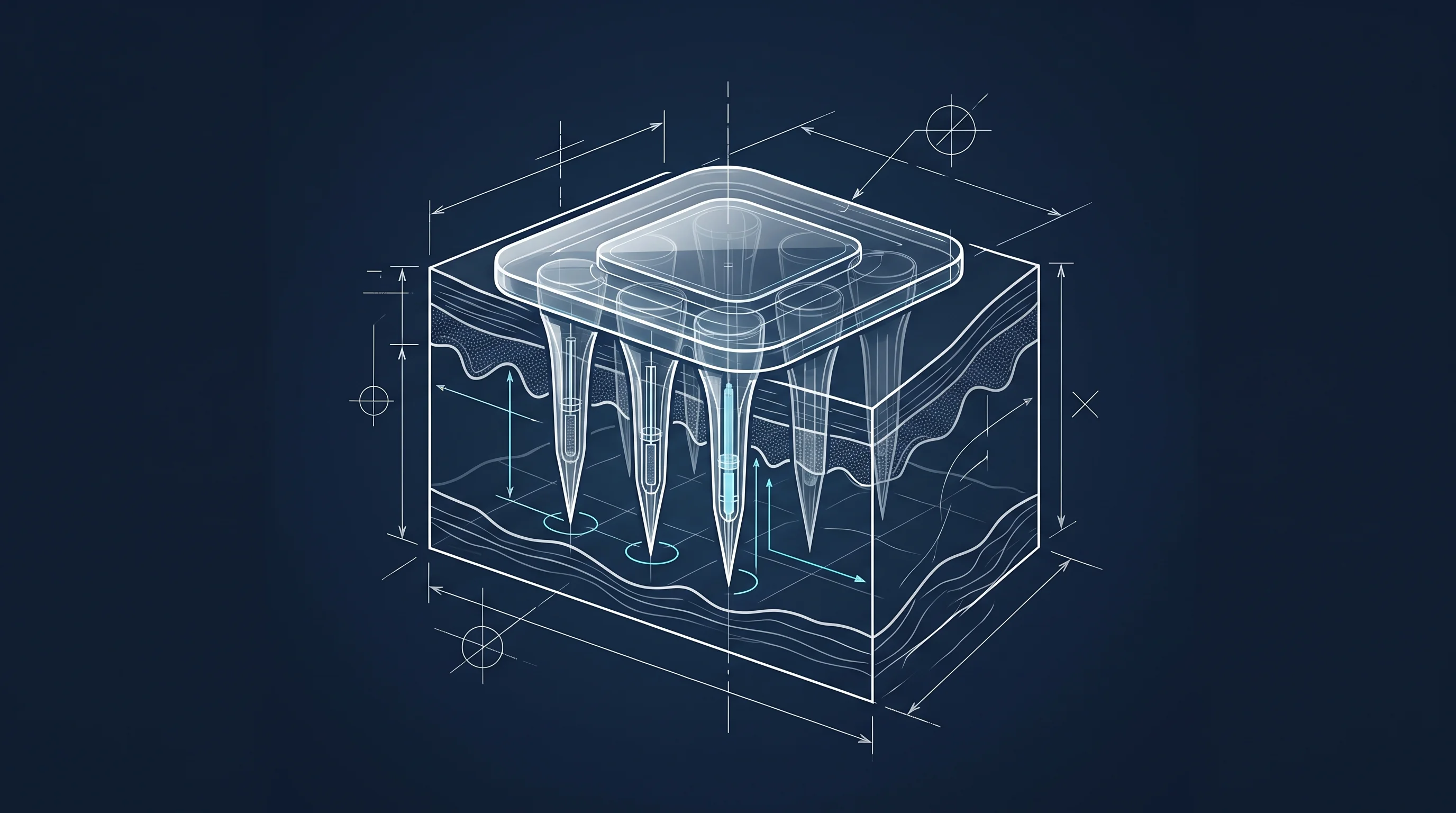
The product is simple in concept, if not in execution. Small dissolving patches studded with biodegradable microneedles, each loaded with carbon black pigment. Pair them with a reusable applicator that looks more surgical instrument than tattoo gun, and you've got something that sits awkwardly between beauty treatment and medical device—perhaps more than the founders initially expected.
Customers buy designs online (micro-hearts, stars, basic geometric shapes), receive a QR code, then book appointments at one of CipherX's pop-up locations scattered across London. The flagship operates out of the Scale Space Building in White City, Tuesday through Thursday from 16:00 to 19:00, August 4 to 27. Walk-ins aren't the model here. This is scheduled, tracked, traceable—more lab than art studio.
Fifteen Minutes, One Circle, Many Questions
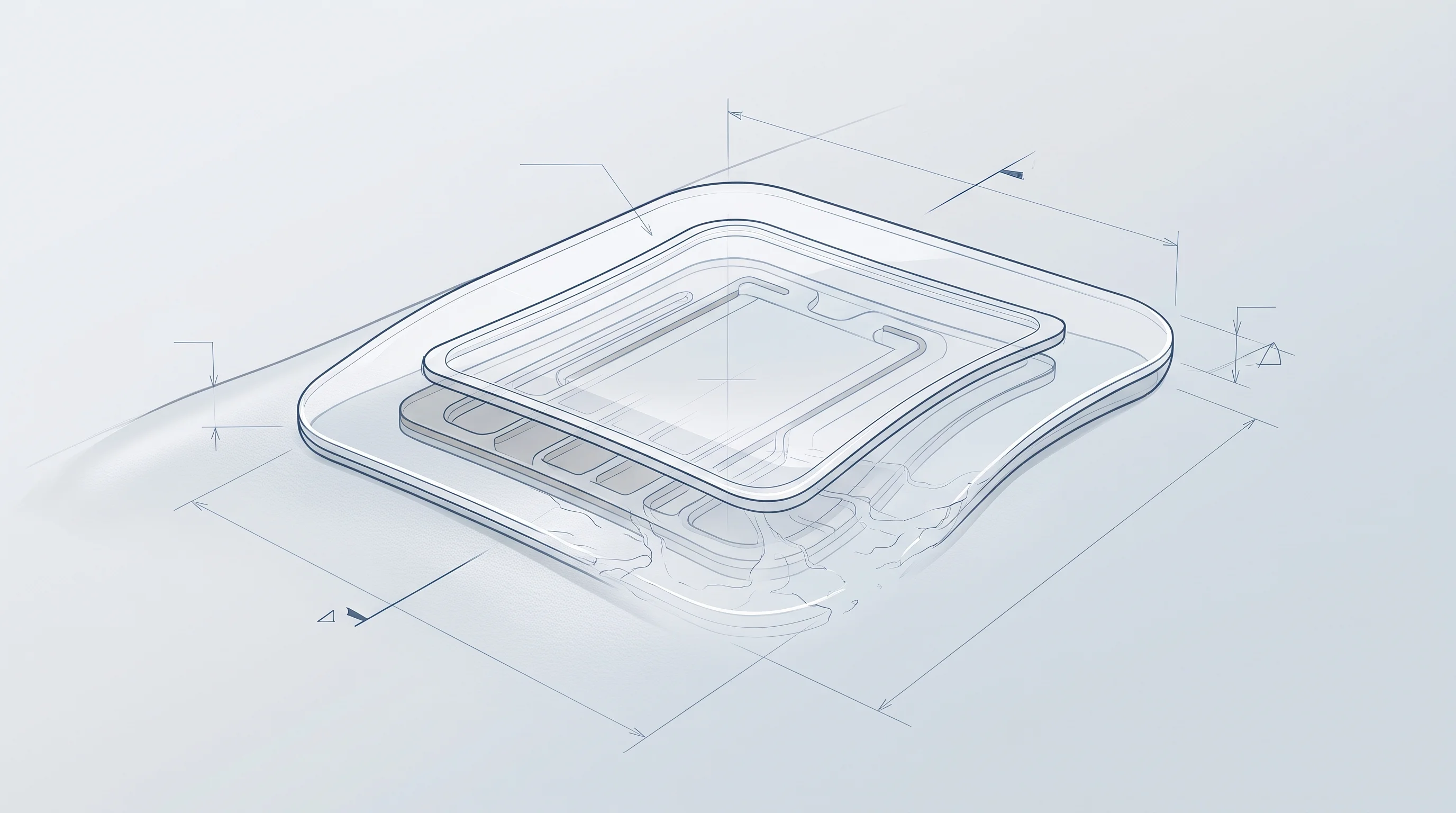
The mechanics are straightforward enough. A customer lies down. Staff position the patch—a small square containing arrays of what CipherX calls "microdots"—on the chosen body area. The CX Tattoo Applicator, a handheld device that reportedly won a Red Dot Best of the Best award this year, ensures consistent pressure while the microneedles dissolve into the dermal layer over roughly 15 minutes.
The design appears immediately, then darkens over the next day or two as the pigment settles. Aftercare? Petroleum jelly, stay out of the pool, avoid direct sun for a bit. Total time in-chair runs 25 to 30 minutes.
But here's the constraint that'll frustrate anyone who's spent hours designing custom ink: a 15mm diameter circle. Carbon black only. No color, no shading gradients, no sprawling sleeves or intricate lettering. And don't ask for placement on your hands, face, or neck—those are off-limits, along with anyone pregnant, breastfeeding, or dealing with certain skin or immune conditions.
It's a deliberately limited product. Whether that's a feature or a fatal flaw depends on who you ask.
The Science Behind the Sticker
Behind those pop-ups sits something more substantial than a beauty trend. CTO and co-founder Dr. Karl-Anton Harms earned his PhD at Imperial College London in the Stevens Group, specializing in microneedle delivery systems and tissue engineering. His background is clinical—plastic surgery, burns care, the kind of work that demands understanding how skin heals and how interventions interact with dermal layers.
CEO Dr. Ferdinand Kohle brings materials science credentials: a PhD from Cornell, a master's in innovation design engineering from the Royal College of Art and Imperial, and previous work at Vetter Pharma. His research on Cornell Dots—fluorescent nanoparticles used in medical imaging—suggests familiarity with precision materials that need to behave predictably inside biological systems.
The microneedle patches themselves are made from polyvinyl alcohol, trehalose, cellulose gum, and other biocompatible materials, sterilized by gamma irradiation and designed for single use. The manufacturing appears to lean pharmaceutical—lot numbers, serial tracking, quality control protocols that feel borrowed from drug production rather than tattoo parlors.
CipherX has secured two Innovate UK grants that hint at ambitions beyond decorative dots. LEGO-FAB (£99,993, June 2026 to March 2027) focuses on autonomous manufacturing of micro-structured materials. CHROMASKIN (£99,780, April 2026 to January 2027) targets "minimally invasive interstitial fluid sensing"—language that suggests biosensing tattoos or continuous monitoring applications, not just pretty shapes.
A Crowded Field of Would-Be Disruptors
CipherX isn't the first to imagine tattooing differently. Blackdot in Austin promotes robotic precision for traditional needle-based work—same pain, more consistency. Ephemeral, the US startup that marketed made-to-fade tattoos, faced a public relations mess when designs didn't fade as promised, leading to customer complaints and lawsuits.
The microneedle patch approach sidesteps both problems, in theory. No robotics complexity, no sketchy chemistry of temporary formulations. Academic prior art exists—a 2022 Georgia Tech paper published in iScience demonstrated microneedle patch tattoos in lab settings, describing them as "simple, rapid, painless, bloodless." CipherX's distinction appears to be taking that concept from bench to consumer, complete with waiver forms, eligibility screening, and the kind of regulatory seriousness that mirrors traditional tattoo studios.
Fast Company covered the July launch, quoting Kohle and describing the experience as "basically painless." Designboom noted the system's origin in Kohle's own needle phobia—a founder story that's perhaps too on-the-nose to be invented. TrendHunter and several European outlets picked it up, framing the launch as design-led health innovation.
Reddit's r/gadgets delivered the expected skepticism. Questions about permanence (how permanent is "permanent" with dissolvable needles?). Concerns about disposal. Speculation on whether image quality can match traditional ink. The discourse reflects uncertainty about whether microneedle patches carry the cultural weight and visual fidelity that traditional tattoos demand.
The Business Model—and What It Reveals
That £50 price point undercuts most London tattoo studios for comparable small designs, though "comparable" does heavy lifting given the size restrictions. You can't walk in with custom artwork. You can't request that exact placement you've been planning. The catalog is what it is.
But the data collection is revealing. CipherX's privacy policy discloses tracking of QR codes, design IDs, body location, patch serial numbers, applicator used, date, and staff member. That's pharmaceutical-grade traceability, not artisan studio practice. It's a tell about how the company sees itself—less creative service, more regulated health product.
The CX Tattoo Applicator—reusable, award-winning, central to the experience—suggests a classic razorblade model. Sell or subsidize the hardware, monetize the consumable patches. Whether that scales beyond London pop-ups or serves mainly as a controlled beta test remains unclear.
The company incorporated in September 2021. Director Pierre Poignant joined in December last year, according to Companies House records. A July share allotment filing showed £403.89 in nominal capital issued—not a fundraising disclosure, necessarily, but evidence of equity activity timed around the launch.
Platform Play or Novelty Product?
For anyone watching biotech and healthtech closely, the decorative tattoo application may be a Trojan horse. Microneedle delivery platforms have been explored for vaccines, diagnostics, transdermal drug delivery for years. CipherX's CHROMASKIN grant explicitly targets "semi-permanent dermal readouts" for interstitial fluid sensing.
Translation: tattoos that do something. Monitor glucose, detect biomarkers, provide continuous health data without wearables or blood draws.
The consumer product offers a commercial proving ground. Manufacturing at scale. User acceptance of microneedle patches on their skin. Regulatory and hygiene workflows. Aesthetic outcomes that people will photograph and share (or complain about online). If the patches work for decorative pigment, the underlying delivery mechanism could extend to functional applications where permanence, precision, and painless application all matter.
That broader vision is absent from the consumer-facing materials, which emphasize speed, comfort, accessibility. But the founder backgrounds, grant portfolio, materials science focus—it all points beyond novelty hearts and stars.
Whether CipherX pivots toward medical applications, expands the decorative offering, or simply refines what exists will depend on how these early pop-ups perform. Do customers return for repeat applications? Does the 15mm circle feel like a real tattoo, or just a sticker with commitment issues?
The Verdict Is Still Dissolving
For now, it's £50, fifteen minutes, and a bet that clinical precision can carve out space in a market built on artistry, pain tolerance, and permanence as proof of commitment.
The patches are dissolving. The business model is unproven. The platform ambitions are unspoken but visible in the grant applications and founder CVs. And somewhere in Shoreditch, someone is walking around with a painless permanent heart that may or may not hold up to scrutiny—both aesthetic and chemical—over the next decade.
Traditional tattoo artists aren't losing sleep yet. But the biotech folks? They might be paying attention.


