

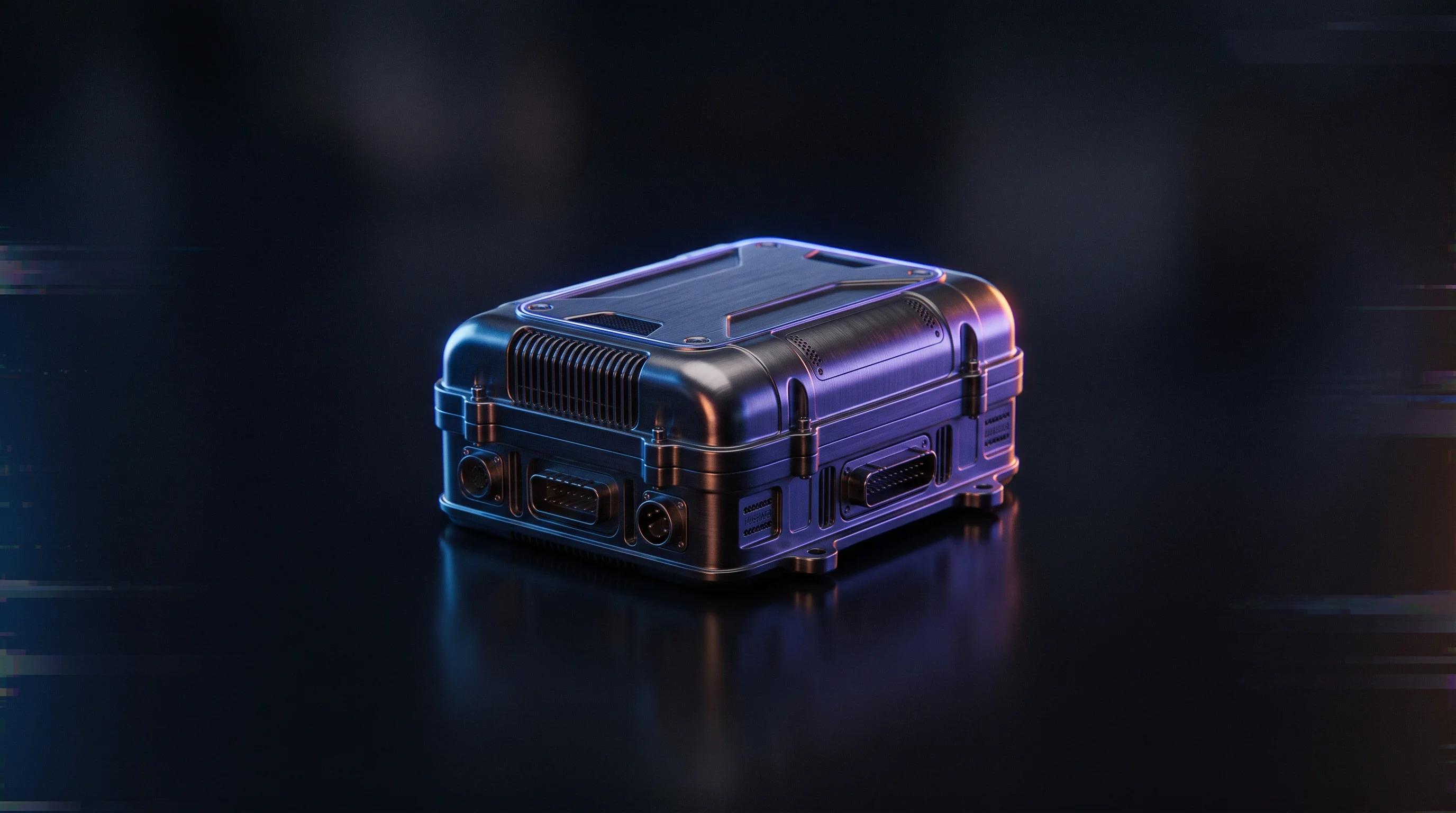
The PowerBank-50 doesn't look like much. At 380 grams and roughly the size of a smartphone, it's the kind of component that gets buried in a satellite's bill of materials—barely noticed until something goes wrong. But when Skyroot Aerospace's Vikram-1 lifted off from Sriharikota on July 18, 2026, tucked inside the rocket at about 450 kilometers altitude, that battery pack quietly became something India's space sector has been chasing for years: homegrown hardware with orbital credentials.
TakeMe2Space, the Hyderabad startup behind the device, had spent months preparing for this moment. Their PowerBank-50 would power Cosmoserve Space's experimental soft-robotic capture payload during what Skyroot dubbed Mission Aagaman. For weeks, the battery cycled through charge and discharge routines in the vacuum of space, enduring thermal swings and radiation. It worked. And in the unforgiving calculus of spaceflight, "it worked" is everything.
Business Standard confirmed the flight's success in a report published July 30, 2026, calling it the first Indian-made satellite battery to achieve flight heritage. That claim is difficult to verify exhaustively—India's space ecosystem isn't exactly known for comprehensive component databases—but the broader point stands. The country's surging private space sector has been almost entirely dependent on imported battery packs, the kind of supply chain vulnerability that shows up as long lead times, currency exposure, and the occasional export-control migraine.
Breaking the Heritage Trap
Anyone who's tried to sell new space hardware knows the paradox: customers want flight heritage before they'll buy, but you can't get flight heritage without customers willing to take a chance. Battery packs face special scrutiny. They store energy. They sit next to sensitive electronics. When they fail, they can fail spectacularly—and there's no roadside assistance at 450 kilometers.
TakeMe2Space navigated this by partnering with Cosmoserve and essentially hitching a ride on Skyroot's maiden orbital mission. Not the most glamorous path to validation, perhaps, but effective. Now the company has something its sales team can point to when satellite manufacturers ask the inevitable question: has this flown?
The PowerBank-50 itself is straightforward. Fifty watt-hours of lithium-ion capacity, stackable architecture for scaling power storage, I2C telemetry for health monitoring. According to Business Standard, the price is ₹1,04,900—call it $1,250 at recent exchange rates. An October listing on the satsearch marketplace pegged comparable imported units at $1,600, though that figure predates the July flight and pricing in this sector tends to be... negotiable.
Lead times in 2025 were listed at over four weeks. Those numbers may shift now that the product carries orbital credentials, though scaling from prototype to production has tripped up more than one space startup.
More Than Batteries
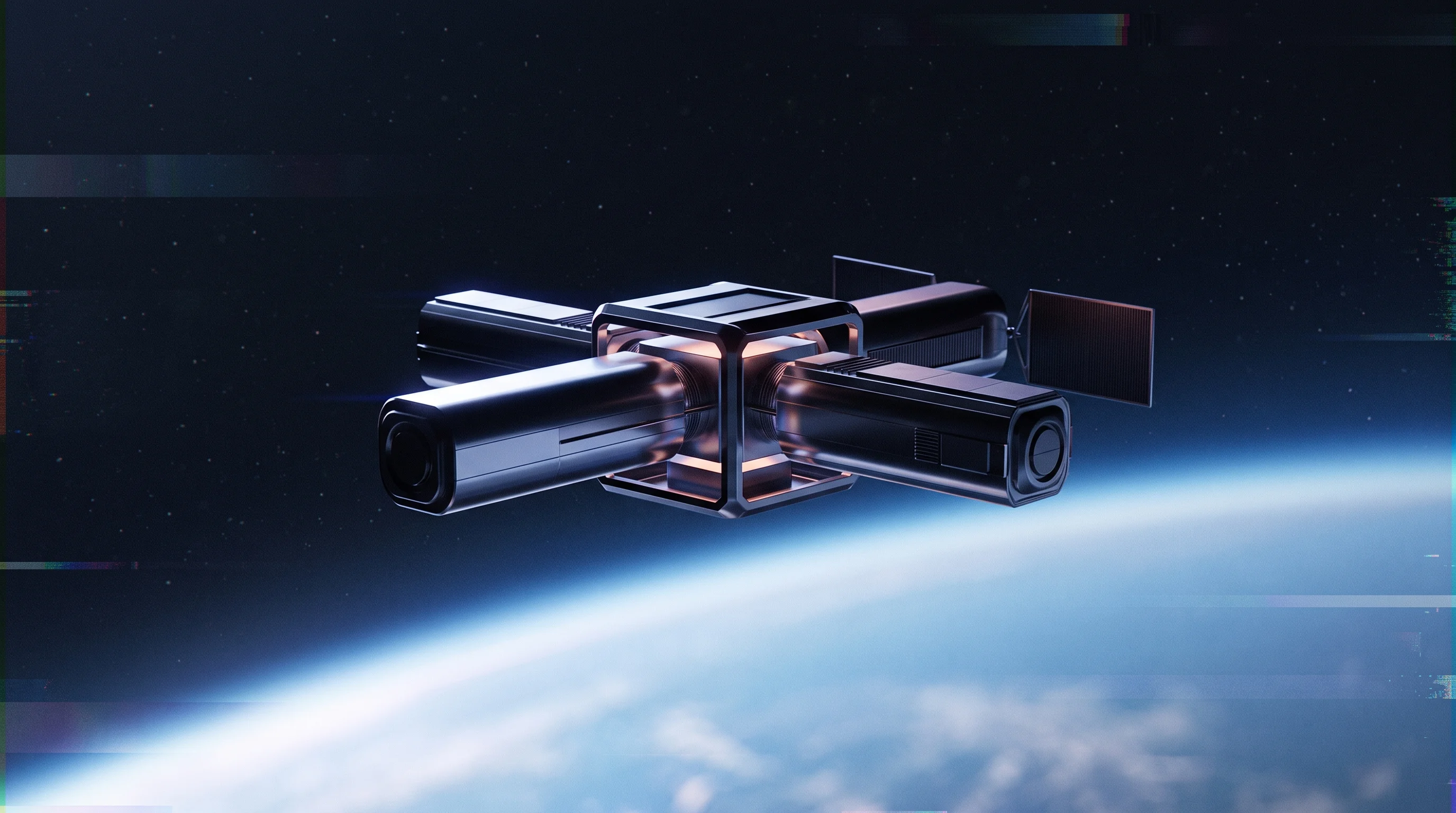
Ronak Kumar Samantray, TakeMe2Space's founder, isn't really in the battery business—not ultimately. Before launching the company, he co-founded NowFloats, a business software platform later acquired by Reliance. His pitch for TakeMe2Space is more ambitious: an "AI-first orbital data centre" where satellites process information on-orbit rather than simply capturing it and beaming everything home.
Whether that vision holds together remains to be seen. The company raised $5 million in January from Chiratae Ventures, Unicorn India Ventures, Artha Venture Fund, and SeaFund—a respectable seed round by Indian standards, though modest next to what American and European space startups sometimes pull in. The team has grown to about 34 people, according to available information.
The battery pack, in this context, looks like a wedge. TakeMe2Space is also developing an indigenous star tracker called StarSense, backed by IN-SPACe's Technology Adoption Fund. Another project with QOSMIC targets optical inter-satellite links. The company's online store lists PowerDrive (an electrical power system) and PowerPlane (body-mounted solar panels) alongside the PowerBank, suggesting a strategy to sell integrated power subsystems—generation, distribution, storage—as a package.
An orbital compute satellite, MOI-1A, is slated to launch in October, according to the company's website. The trajectory hasn't been entirely smooth. A technology demonstrator, MOI-TD, flew successfully on a PSLV mission in late 2024. But the company's missions page notes that a January PSLV-C62 anomaly reportedly claimed the MOI-1 satellite—a reminder that spaceflight remains hard, even for proven launch vehicles.
The Supply Chain Angle
NASA's Small Spacecraft Technology State of the Art report from May benchmarks battery packs from the usual suspects: AAC Clyde Space, Aerospacelab, EaglePicher, EnduroSat, GomSpace, ISISPACE. All foreign. TakeMe2Space doesn't appear in that reference—yet—but the PowerBank-50's successful flight puts it in the conversation.
For Indian satellite manufacturers, the value proposition is practical rather than revolutionary. A stackable battery with flight heritage, local support, and a sub-₹1.1 lakh price tag. No export controls to navigate, no four-month shipping windows from Europe or North America. Whether that's enough to displace established vendors with multi-mission track records is another question entirely.
The satsearch marketplace, which functions as something of a parts catalog for the satellite industry, still listed the PowerBank-50 at Technology Readiness Level 4 as of October—before the July flight. That designation should update to reflect the new orbital status, which matters because many satellite builders filter suppliers by flight heritage when sourcing components.
What Comes Next
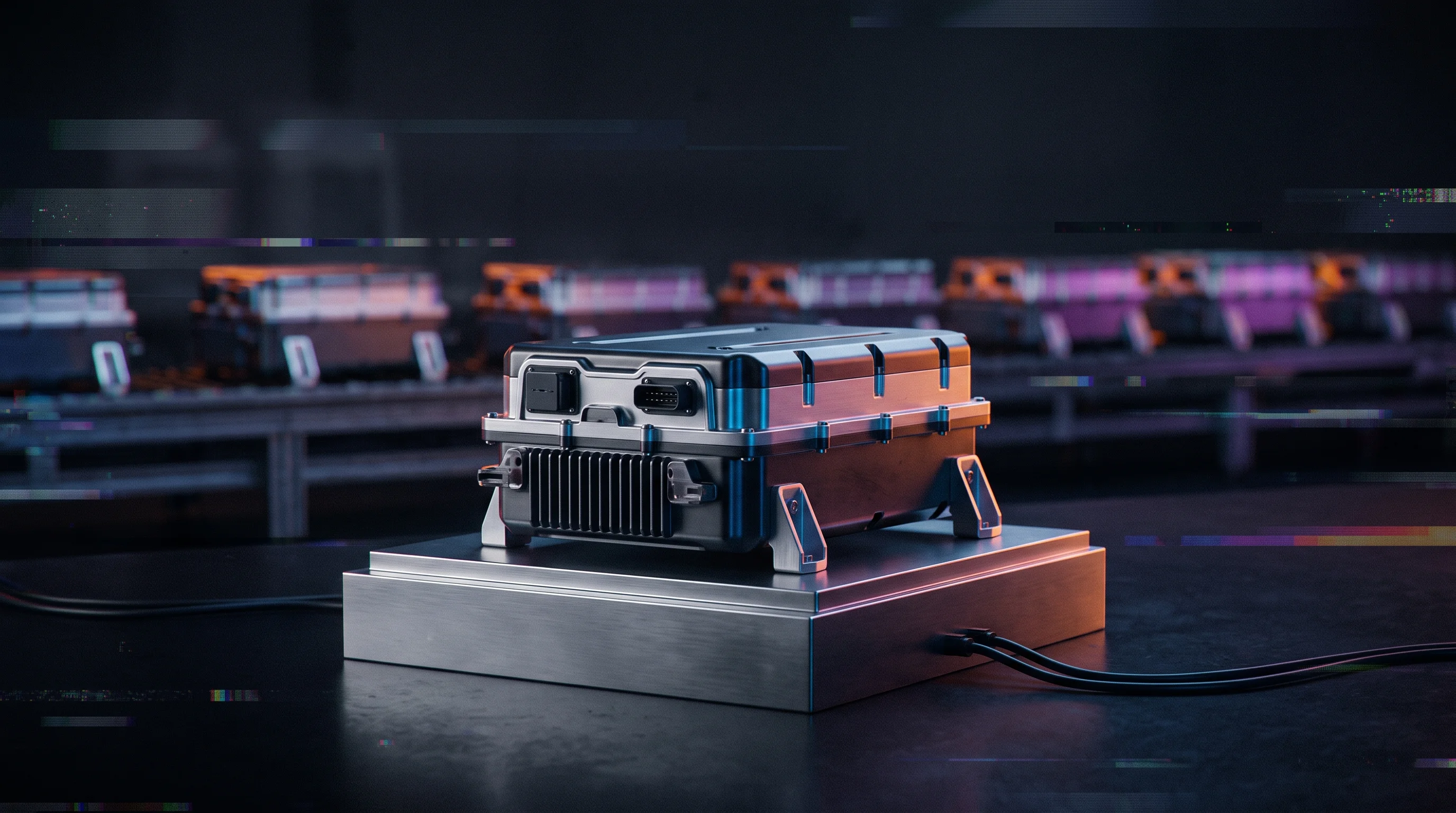
One successful mission is a start, not a finish. TakeMe2Space now faces the more prosaic challenge of converting flight heritage into production volume. The October MOI-1A launch will provide another data point. Beyond that, the company needs to prove it can manufacture these batteries consistently, support customers through integration, and stand behind the hardware when things go sideways.
The Indian space sector is crowded with ambitious startups—launch vehicles, satellite buses, ground stations, data analytics platforms. Most will consolidate or fade. The ones that survive will likely be those that solve unglamorous but essential problems: reliable components, local supply chains, price points that work for bootstrapped satellite companies.
A battery pack isn't glamorous. But it's the kind of thing that matters when you're 450 kilometers up and the sun sets every 90 minutes. TakeMe2Space has now proven theirs works in that environment. Whether the market cares enough to buy in volume is the question that will define the next chapter—for this company and perhaps for India's aspirations toward space self-reliance more broadly.


