

ISPTech raises €5.5 million to replace the aerospace industry's toxic propulsion standard—and thinks it can manufacture dozens of systems before 2030
The test facility at Lampoldshausen doesn't look like much from the outside. Tucked into the forested hills of southern Germany, it's where the country's aerospace establishment has been firing rockets since the 1960s. But lately, a quieter revolution has been taking shape there—one that trades toxic chemicals for something closer to whipped cream canisters and disinfectant.
ISPTech, a spin-off from the German Aerospace Center (DLR), just closed a €5.5 million seed round to commercialize exactly that vision. The Ludwigsburg-based company announced the raise on February 26, betting that satellite operators are finally ready to move beyond hydrazine, the corrosive propellant that has powered spacecraft for decades despite requiring hazmat suits and specialized handling facilities.
The timing may be right. With more than 2,695 satellites deployed in 2024 alone—97 percent of them smallsats—the industry faces mounting regulatory pressure. The European Union has flagged hydrazine as a substance of very high concern under REACH regulations, effectively putting manufacturers on notice.
The Funding Round
JOIN Capital led the seed investment, pulling together a roster that reads like a European space-tech honor roll: High-Tech Gründerfonds (HTGF), Faber, First Momentum Ventures, Lightfield Equity, Final Frontier Liftoff, DLR itself, and the Start-up BW Seed Fonds managed by MBG Baden-Württemberg. Some outlets pegged the figure at $6.5 million USD, though ISPTech confirmed the euro amount.
It's the company's second significant raise since launching in July 2023. HTGF led a €2 million pre-seed round barely a year ago, in July 2024, alongside First Momentum Ventures and Possible Ventures. That's rapid-fire funding by European standards, perhaps more than the founders initially expected.
What They're Actually Building
Dr.-Ing. Lukas Werling and Dr.-Ing. Felix Lauck—both alumni of DLR's Institute of Space Propulsion—aren't exactly starting from scratch. They're commercializing propulsion chemistries that have survived thousands of hot-firing tests at DLR facilities, which in the conservative world of aerospace, counts for something.
Their first system, HyNOx, pairs nitrous oxide with ethane. Yes, nitrous oxide—the stuff dentists use. The self-pressurizing bipropellant combination delivers specific impulse up to 300 seconds without needing separate pressurization hardware, a feature that matters when you're trying to pack propulsion into a shoebox-sized CubeSat. ISPTech's product line spans tiny 1U modules all the way up to a 200-newton thruster slated for delivery in the second quarter of 2026.
For larger spacecraft, the company developed something more exotic: HIP_11, a patented hypergolic system that combines hydrogen peroxide with an ionic-liquid fuel. The 22-newton thruster hit technology readiness level five under vacuum conditions last September, meaning it works in an environment that at least mimics space. The Exploration Company has already licensed HIP_11 for its Nyx cargo capsule, with flights tentatively planned from 2027 onward.
Production Ambitions

Here's where things get interesting. CEO Werling told Payload that ISPTech currently manufactures roughly four to five propulsion systems annually. The seed funding aims to push that figure into the dozens by decade's end—a nearly tenfold increase that will require new manufacturing capacity and in-house test infrastructure.
The company operates from headquarters in Ludwigsburg while maintaining development and testing activities at the DLR site in Lampoldshausen, a setup that keeps them close to the institutional knowledge that birthed the technology.
ISPTech plans to ship its first commercial batch this year. HTGF confirmed that two operational missions carrying ISPTech propulsion are scheduled to launch in 2026, though neither party disclosed which satellites. The company has already secured contracts with ATMOS Space Cargo for its PHOENIX-2 return capsule and partnered with Curtin University on the Binar Prospector lunar mission—projects that suggest ISPTech is moving beyond Powerpoint presentations.
Last May, the European Space Agency handed ISPTech's HIP_11 program the FLPP-FIRST!Propulsion "NewSTyLE" award, assembling a consortium that includes DLR, OHB, and UARX Space to further mature the technology. It's the kind of institutional validation that opens doors in Europe's space establishment.
The Competitive Landscape
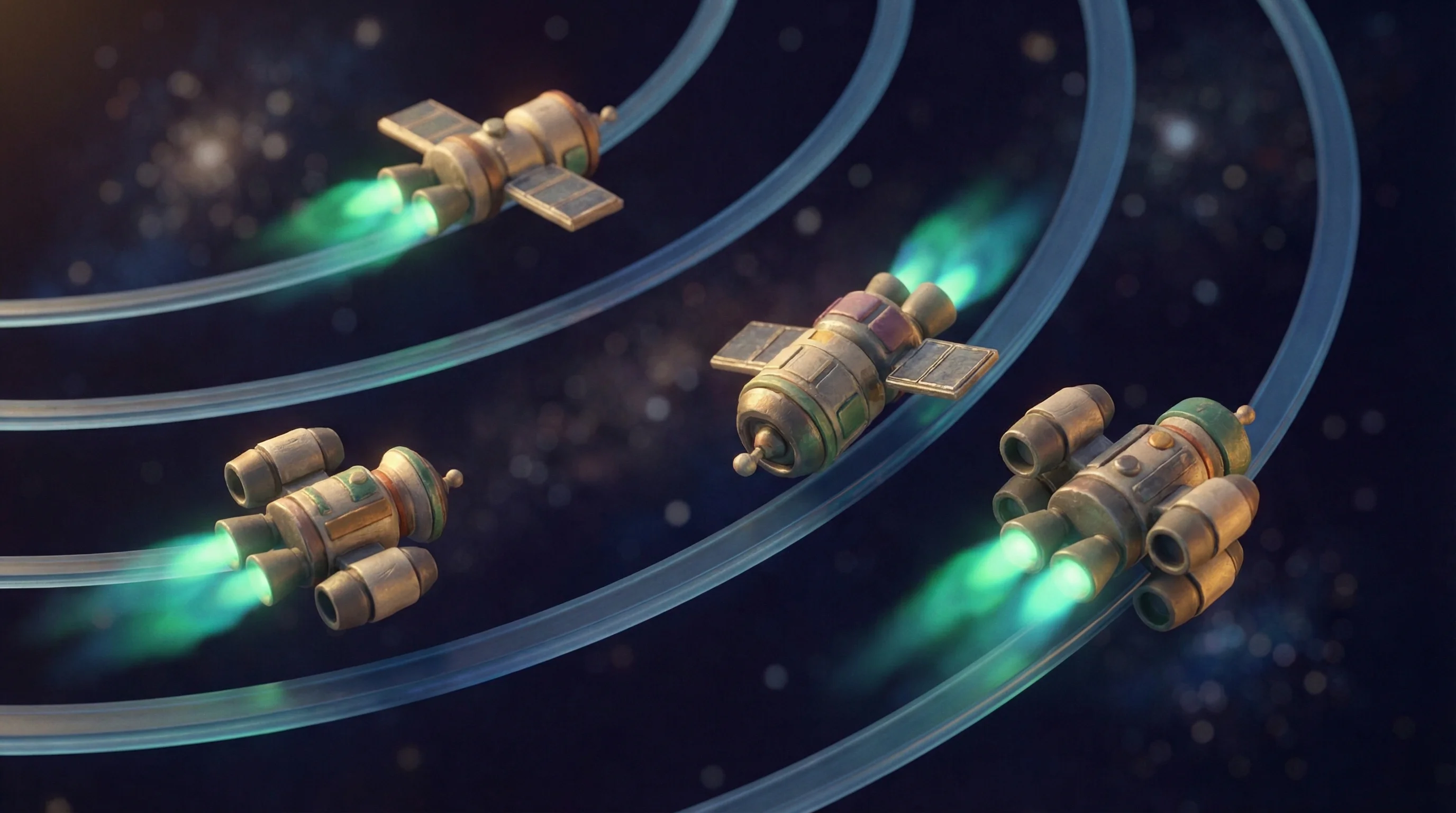
ISPTech isn't alone in chasing the green propulsion opportunity. Dawn Aerospace offers self-pressurizing nitrous oxide systems with a similar value proposition. Benchmark Space Systems developed the HALCYON green monopropellant thruster, targeting the same regulatory tailwinds.
The race matters because the smallsat boom shows no signs of slowing. Operators need propulsion that's powerful enough for orbital maneuvering but safe enough to handle without turning launch facilities into hazmat zones. Hydrazine works—it's been working since the Apollo era—but it also requires specialized ground support equipment and adds insurance costs.
Whether nitrous oxide and hydrogen peroxide can truly replace hydrazine at scale remains an open question. ISPTech's systems promise comparable performance without the toxicity, but aerospace engineers are famously risk-averse. The company will need to prove its technology not just in lab tests but in the unforgiving environment of orbit.
What Comes Next
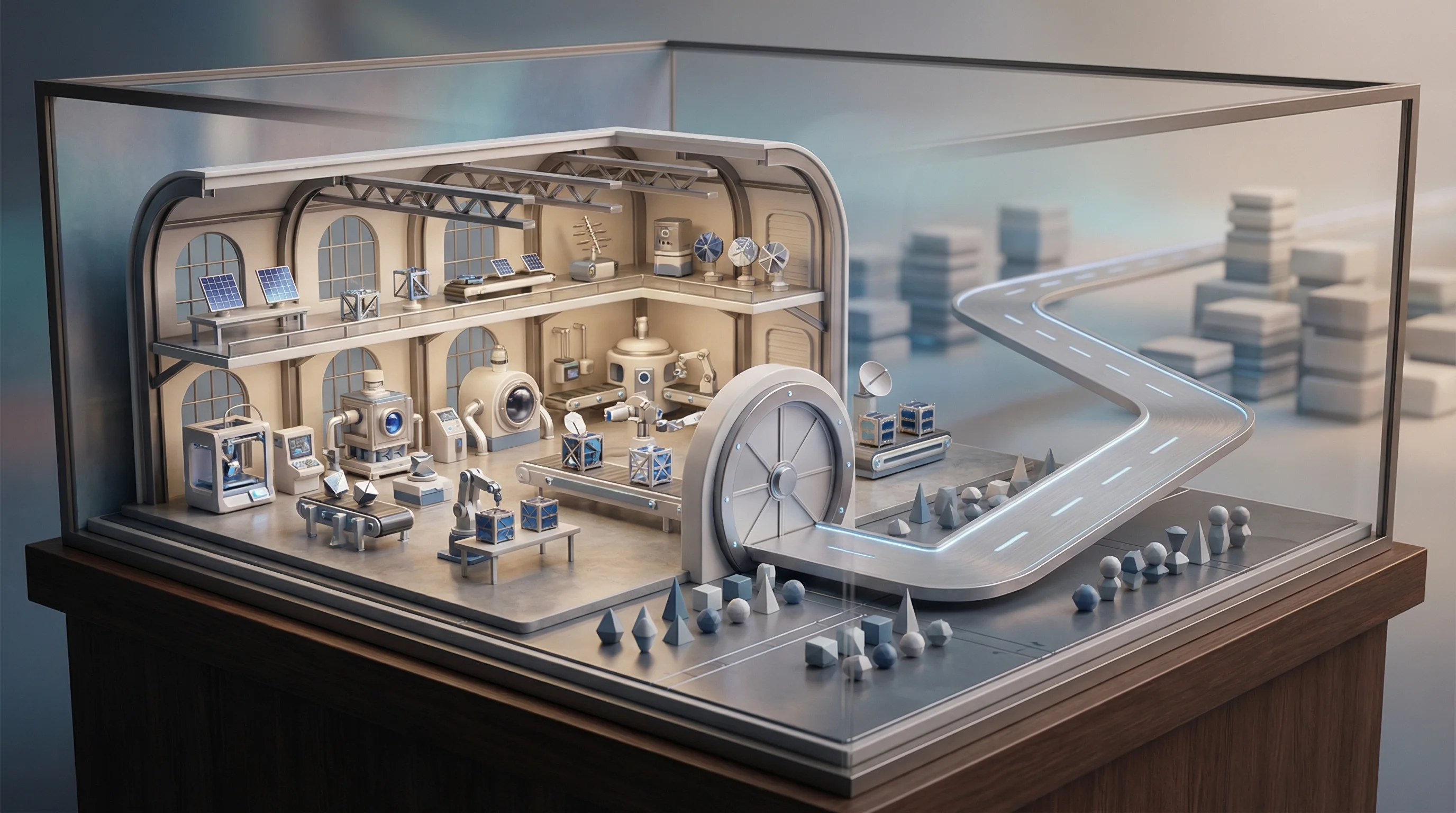
According to its LinkedIn profile, ISPTech employs approximately 26 people. That's small by aerospace standards, though perhaps appropriate for a company still working to deliver its first commercial systems. The seed funding should buy runway to scale both headcount and production capacity, assuming the technology performs as promised.
Werling and Lauck are betting that regulatory pressure, combined with the practical headaches of handling toxic propellants, will eventually push the industry toward alternatives. It's a reasonable wager—one backed by nearly €8 million in venture funding and the institutional weight of DLR. But as any aerospace founder can tell you, reasonable bets and successful exits are two different things entirely.
The propulsion systems ISPTech ships this year will offer an early indicator of whether the company can deliver on its manufacturing ambitions. Until then, the quiet revolution at Lampoldshausen remains exactly that: promising, well-funded, and still waiting to prove itself beyond the test stand.


