

Candy Yue's demonstration video went up on June 3rd. Forty-eight hours later, her Hong Kong startup had logged what it claims were a million views and more than a thousand paid reservations for a product that didn't yet exist in reviewers' hands. The device in question: smart glasses running a custom Linux distribution, priced at $399, and pitched not as a lifestyle gadget but as a wearable workstation for developers who want AI coding assistants hovering in their peripheral vision.
Monako Glass, the company Yue founded, is placing a peculiar bet. Rather than compete with Meta's camera-forward Ray-Bans or wait for Apple's long-rumored smart glasses—expected sometime in late 2027, according to industry speculation—the startup is carving out what it hopes is a distinct niche. Think less "take a photo at brunch," more "debug Python while riding the MTR."
The pitch landed. Digital Trends and LiveMint picked up the story within days, both emphasizing incomplete technical details and the lack of hands-on testing. Still, for a bootstrap hardware play out of Hong Kong, the attention was real. Whether the product can deliver on the promise is another question entirely.
What's Actually Under the Hood
Monako runs MonoOS, a custom Linux build layered on Buildroot with a Lua application framework and an embedded Rive animation runtime. The company touts app sizes in the 200-to-500-kilobyte range—tiny by modern standards—and emphasizes what it calls "agentic coding." The idea: developers pair the glasses with cloud-based AI tools like Claude Code or GitHub Codex, interact through voice and gesture, and work without ever touching a keyboard. Or a mouse. Or, frankly, sitting down.
The hardware itself uses a waveguide display, an onboard camera, and—here's where things get unusual—a bone conduction microphone positioned on the nasal bridge. Most smart glasses stick mics in the temple arms or rely on standard voice capture. Monako claims the nasal placement picks up vocal vibrations while rejecting ambient noise, a setup that could prove useful in coffee shops or open offices. Could prove, mind you. Independent verification is still pending.
Navigation relies on hand tracking, powered by what the company calls "Vision Engine." Battery life is listed at four hours with the display active, eight in normal use, from a 300mAh cell. Those figures come from third-party launch listings on Product Hunt and Launly, both dated June 10th. The official Monako site, at least as it appeared in late June, remained notably spare on pricing and detailed hardware breakdowns.
Field of view? Unlisted. Display resolution? Unclear. The actual chip inside? Community speculation points to a Rockchip RV1103 or RV1106—both support 0.5 TOPS NPUs and Buildroot Linux—but Monako hasn't confirmed the silicon. For a product slated to ship within weeks, the technical opacity is either strategic or concerning, depending on your tolerance for ambiguity.
The Open-Source Angle

Monako is explicitly positioning itself as a developer tool, not a consumer play. The language throughout—both on the company's site and in early press coverage—leans heavily on open infrastructure, cloud sandbox integration, and what the founders describe as the ability to "speak apps into existence." The OS is designed for AI agents to program against it in real time, without traditional build steps or deployment friction.
This is miles away from the Meta approach. Meta's Ray-Bans, built on a Qualcomm Snapdragon AR1 chip, emphasize camera capture and voice assistant integration—basically, Ray-Bans with smarts. Monako, by contrast, is betting that a meaningful cohort of developers wants a Linux machine strapped to their face, always-on and hands-free, with AI doing the heavy lifting.
Whether that cohort exists at scale is the gamble. Google Glass Enterprise Edition shut down in March 2023, with support ending six months later. Snap's Spectacles developer editions have remained firmly niche. Apple's timeline, per MacRumors reporting from May, won't deliver a consumer product until late 2027 at the earliest. That leaves a window, but windows close.
The Viral Launch Playbook

Monako took reservations with a $19 deposit against the $399 list price. Shipping was promised for July through August 2026. The company's primary marketing asset was Yue's X post—one video, no ad spend, viral lift. A LinkedIn post attributed to Yue claimed 1,300 units sold with zero marketing budget—a self-reported figure that lacks independent verification.
Digital Trends published its take on June 4th, calling the concept "interesting" but advising readers to "wait for full specs, availability, and hands-on testing." Fair advice. The device weighs 48 grams, according to promotional materials. It's supposed to pair with Unreal Engine, Blender, After Effects. It promises hyper-personalized apps and seamless interoperability. But until units ship and reviewers get their hands on them, it's still a pitch deck, not a product.
What Comes Next
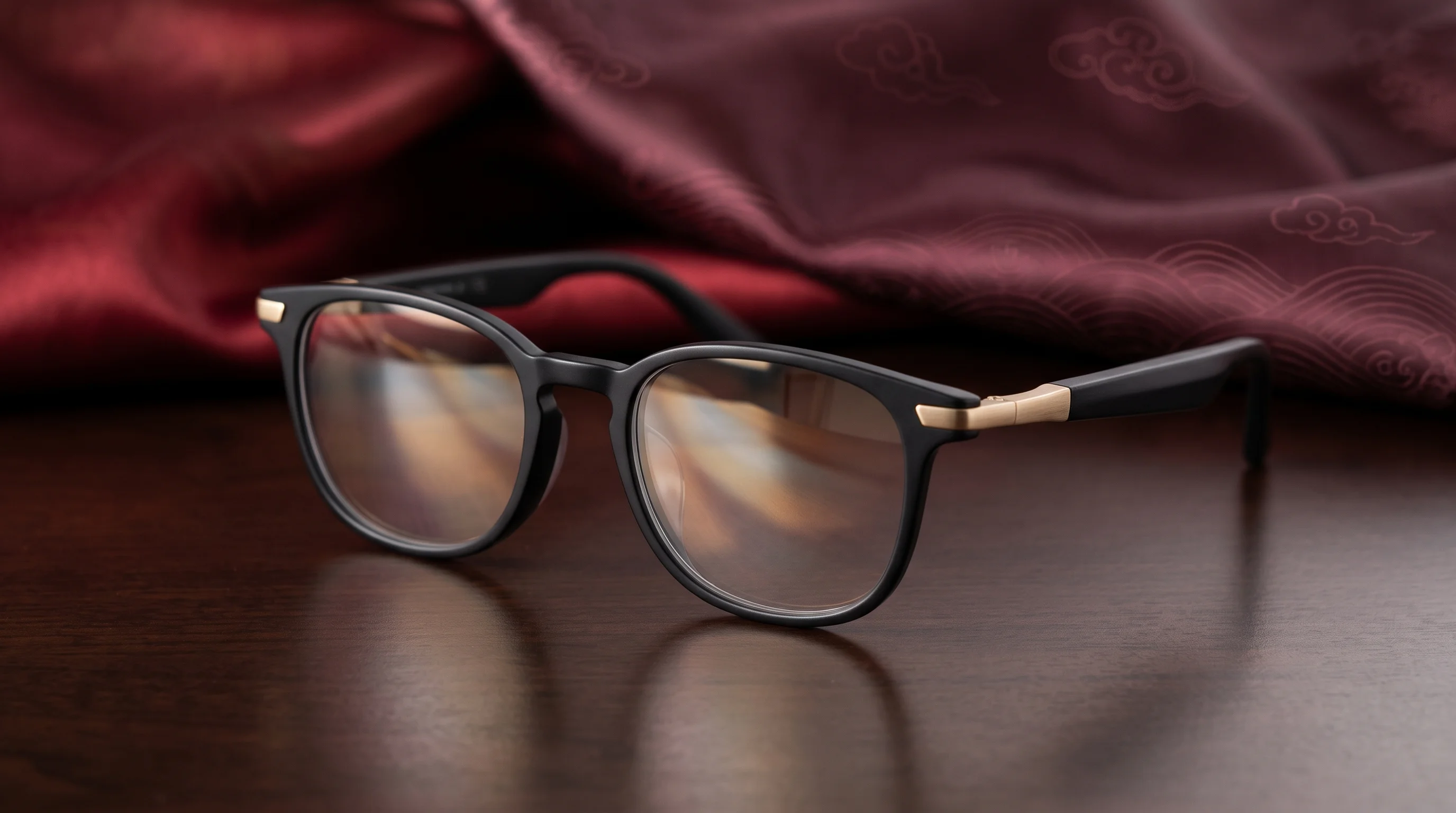
If Monako delivers on schedule, it will beat Apple to market by more than a year and arrive in a landscape where smart glasses remain a solution searching for a problem. The company isn't chasing the mass market. It's chasing a specific user: the developer who wants Claude in their field of vision, who codes on trains, who sees wearable compute as the next logical step after smartphones.
That's a narrow wedge. Perhaps narrower than the founders expected. But it's also a wedge that hasn't been tried—at least not with this combination of open-source infrastructure, AI-first interaction design, and sub-$400 pricing. The big players are either too consumer-focused or too far out. Monako is betting it can own the developer segment before anyone else realizes it exists.
The risk, naturally, is that the segment doesn't exist. Or that the hardware can't handle the workload. Or that bone conduction voice input on your nose turns out to be more gimmick than breakthrough. The team background is thinly documented. The technical specs remain incomplete. Independent reviews are still pending.
Still, the positioning is sharp. Open, hackable, developer-first, and—crucially—shipping soon. In the perpetually "next year" world of smart glasses, that alone might be enough to get attention. Whether it's enough to build a business is the question units shipping in July will begin to answer.


