

NeuroXess, a Shanghai brain-computer interface startup, has raised RMB 700 million (about US$105 million) in a Series B round co-led by SDIC Juli, Shenzhen Capital Group and TRIWISE (Qinzhi Capital), the company said in an Oct. 28 announcement. It plans to use the money to carry its implant from clinical validation toward volume production, paying for registration trials, a factory and next-generation products.
Founder, CEO and chief scientist Tao Hu said in the press release, translated from Chinese, that the round "will accelerate NeuroXess from clinical validation to large-scale application."
Who invested
The company's announcement and the news outlet VCBeat list a long roster beyond the three co-leads: China Fortune-Tech Capital, Huangpu Investment Group, CoStone Capital, IDG Capital, Morning Star Capital, JUNXI Capital, Huafu Securities, Huasai Zhihui, ZWC Partners and Jiangxi Financial Holding. Existing backers Zhongping Capital and Shanda Capital also took part. NeuroXess did not disclose a valuation in the materials reviewed.
TRIWISE, also known as Qinzhi Capital, said in comments translated by VCBeat that it would "draw on our healthcare industry resources to fully support NeuroXess in accelerating multicenter clinical trials and product approval."
Where the money goes
The company outlined four priorities. The first is a multicenter registration trial, along with approval from China's National Medical Products Administration (NMPA), for its "Triple-Full" system, which it describes as fully implantable, fully wireless and fully functional. It also intends to build mass-production capacity at what it calls its "Super Factory," and to develop next-generation products, iterating its language interface while accelerating a visual one. The fourth item is work on combining brain-computer interfaces with artificial intelligence.
Where the product stands
According to a company notice dated July 27, the registration trial began July 7, 2026, at Huashan Hospital, part of Fudan University, with Prof. Mao Ying as principal investigator. That notice cited 15 hospitals in the multicenter study. VCBeat and TechNode later reported "nearly 20," a gap the company has not explained in the materials reviewed.
The company says the device is classified as a Class III medical device, the highest-risk category, and that it entered the innovative-device fast track at the Center for Medical Device Evaluation on July 27. It reported 60 clinical cases as of that date and 65 in the October coverage. Both figures come from the company and have not been independently verified.
The system places flexible electrodes on the surface of the cortex, the company said. The processor and battery sit under the skin of the chest, a design meant to keep heat away from the brain. NeuroXess has not yet won approval.
A factory in Nanchang, research in Shanghai
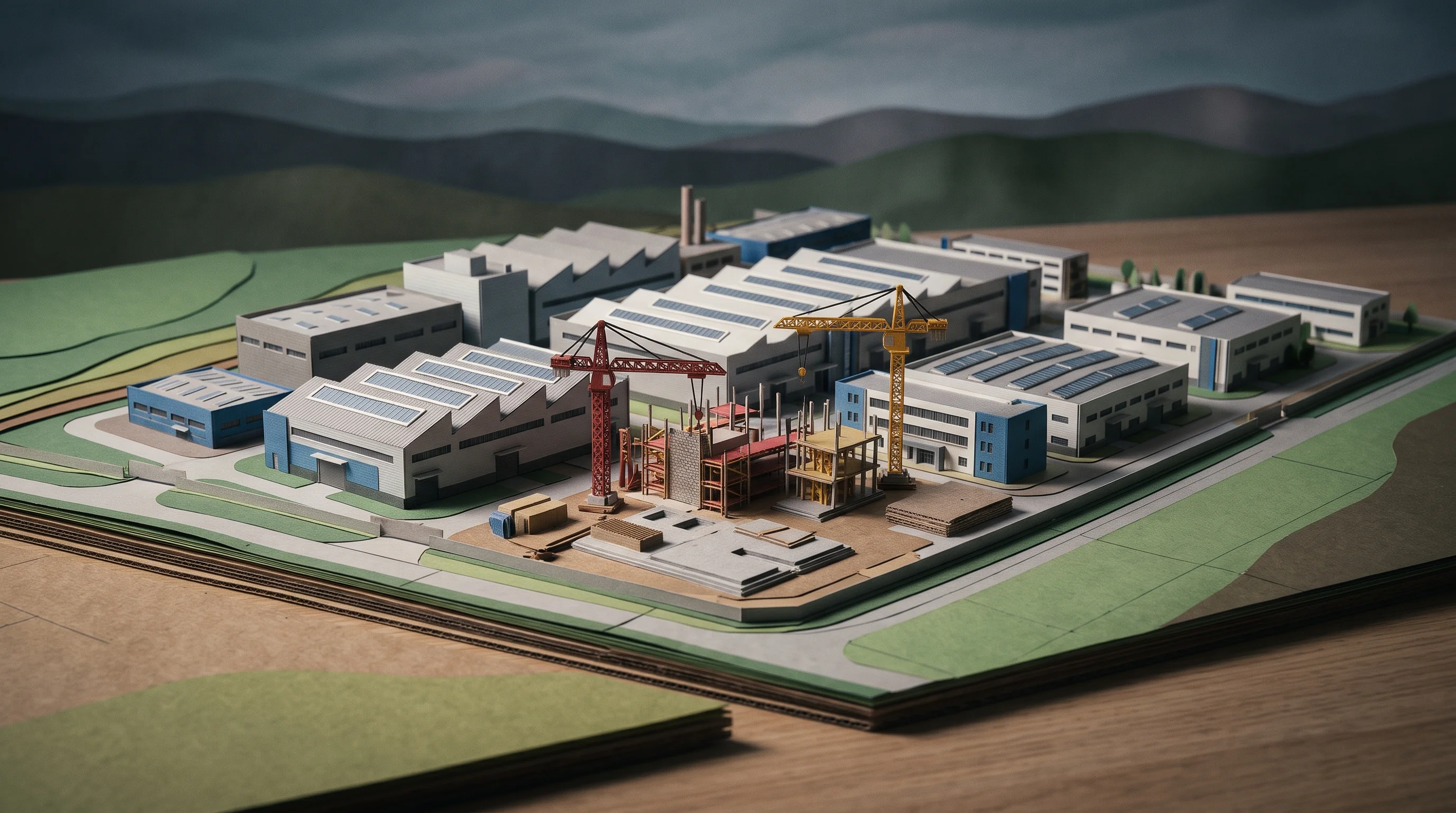
The Super Factory is in Ganjiang New Area, Nanchang, in Jiangxi province. Eastmoney, citing the company, reported a Jan. 13 groundbreaking on a 14,300-square-meter site, with planned annual capacity of 10,000 units. The stated goal was to begin mass production in the second half of 2026, a target worth checking against the company's current timetable. Research and development remains in Shanghai.
Tao is deputy director of the Shanghai Institute of Microsystem and Information Technology at the Chinese Academy of Sciences, according to the company's About page, which says he founded NeuroXess in 2021. Co-founder Phoenix Peng, formerly founder and CEO of the restaurant software company Keruyun, now runs Gestala, an ultrasound-based brain-computer interface company, according to The Paper and SVTR.
A crowded field
NeuroXess is not alone in China. Neuracle Technology won the country's first approval for an invasive or semi-invasive implantable interface on March 13, 2026, for a spinal cord injury product called NEO-ONE, and performed its first commercial implant July 13 at Huashan Hospital, the South China Morning Post reported.
Another Shanghai rival, StairMed, raised RMB 500 million in a round led by Alibaba in March 2026, Inside BCI reported. The outlet says the company has raised RMB 2.6 billion in total. Abroad, Tom's Hardware has drawn comparisons between NeuroXess and Elon Musk's Neuralink.
NeuroXess closed its earlier Series A, of "hundreds of millions of RMB," on Dec. 28, 2022, led by Zhongping Capital, according to TMTPost.
What comes next
Beyond the regulatory hurdle, Tao has been laying out a broader ambition. In a Sept. 30 company statement, translated from Chinese, he said the future of brain-computer interfaces should let a person's intent "call on AI, connect tools, and ultimately act on the real world."
For now, the nearer milestone is more prosaic: NMPA registration for the Triple-Full system, which the new capital is meant to help fund alongside the factory build-out.


