

Andrew Mayne figured he'd earned some quiet after leaving OpenAI. He'd spent years building the machinery behind ChatGPT, GPT-4, DALL·E—enough time inside the pressure cooker to justify a sabbatical. His co-founders, Evan Morikawa and Shawn Jain, had similar ideas.
The quiet lasted about a week.
Venture capitalists started calling first, looking for technical diligence on AI deals they didn't quite trust themselves to evaluate. Then came the founders—anxious, caffeinated, clutching pitch decks—wanting honest answers about whether their startups could survive the next model release. Mayne eventually launched Interdimensional, a consulting firm, just to route the traffic. But even that felt like a Band-Aid on something larger.
So they asked themselves the obvious question: if everyone's already treating us like kingmakers, why not raise a fund?
The Bet Beyond AGI
Zero Shot Fund closed its first $20 million by early April, with ambitions to reach $100 million. The thesis driving it is both straightforward and a little contrarian—that the real money in AI won't come from racing OpenAI or Anthropic to build better foundation models. That game's expensive and arguably already lost for most players. Instead, the opportunity lies in what comes after: the startups building for a world where powerful AI is assumed infrastructure, not competitive advantage.
"Post-AGI," they call it, though that framing invites more questions than it answers.
The fund writes checks between $2 million and $5 million at pre-seed and seed stages, focusing on robotics, energy, automation, education, AI security, and biology. Alongside the three ex-OpenAI engineers, the general partner lineup includes Kelly Kovacs—a founding partner at 01 Advisors who previously served as chief of staff to Twitter's CEO—and Brett Rounsaville, now running Interdimensional. Three more former OpenAI leaders round out the advisory team with carried interest: Diane Yoon (ex-head of people), Steve Dowling (who handled communications and came from Apple), and Luke Miller (product).
The pitch, when you strip away the jargon, is pattern recognition. These aren't investors learning AI from conference panels. They built the systems everyone else is now building on top of.
What Doesn't Impress Them
Morikawa, who led applied engineering across ChatGPT, GPT-4, DALL·E, and Codex before jumping to robotics startup Generalist, has strong opinions about what not to fund. Take "egocentric" video data companies in robotics—the ones betting that if you just watch enough humans perform tasks, you'll crack the embodiment problem. He told TechCrunch in April he's not holding his breath.
Jain, the former OpenAI researcher who worked on Code Interpreter and later co-founded time-series AI company Synthefy, is equally blunt about digital twin startups. Most of them, he argues, don't do much that a decent large language model couldn't already handle. It's category theater.
Then there's the vibe-coding phenomenon—startups wrapping sleek interfaces around model APIs without any defensible tech underneath. The fund expects most of those to get swallowed by model providers or collapse when the next pricing war hits. Harsh, maybe. But probably not wrong.
Where the Money's Going
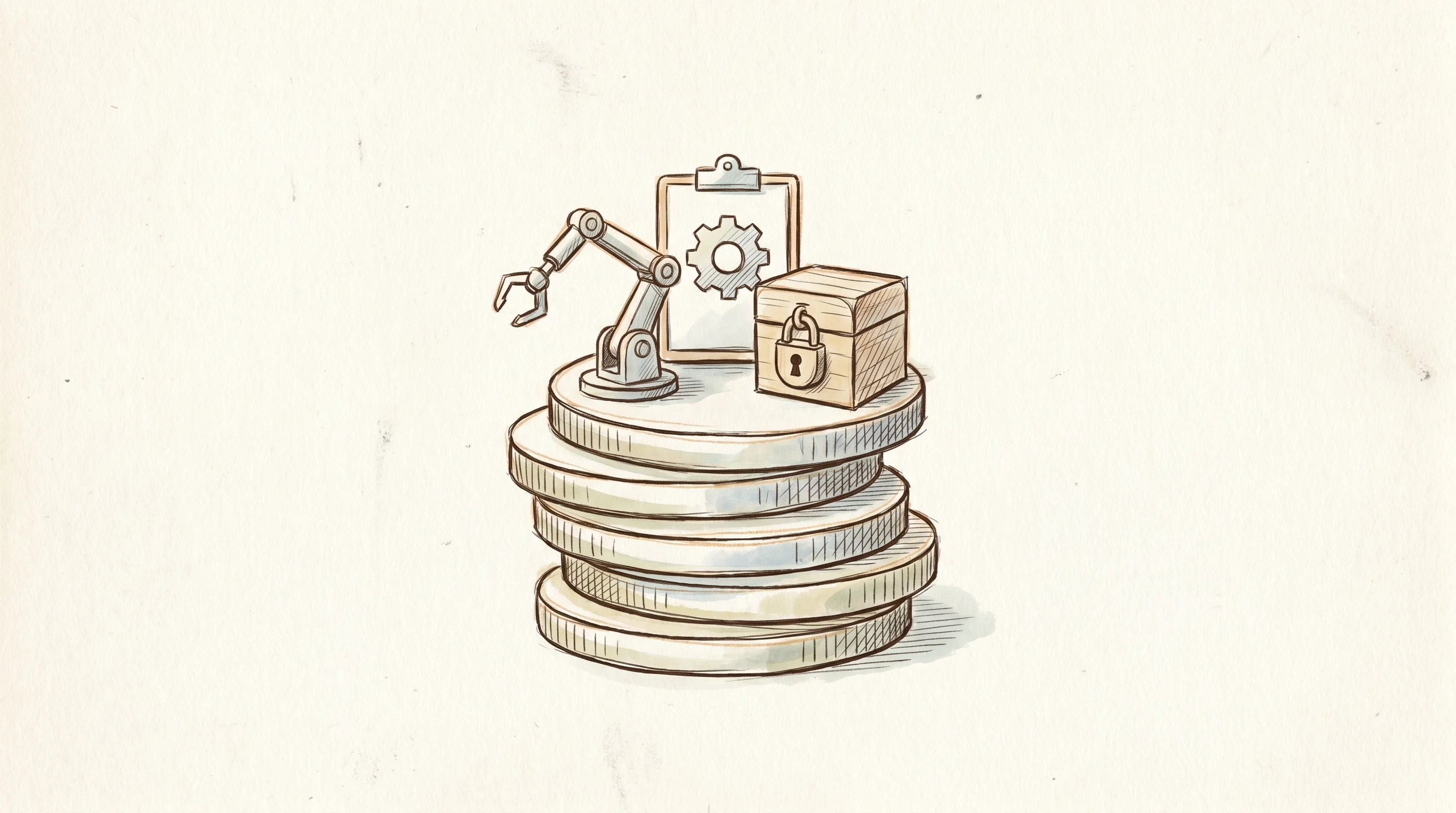
Zero Shot announced investments in Worktrace AI and Foundry Robotics, with a third company kept secret. Worktrace AI's seed round was reported at $9.3 million in December, though PitchBook estimates the figure closer to $10 million. The startup is building workplace automation agents that observe local workflows and generate scripts. Conviction and 8VC led that round, with participation from OpenAI's Startup Fund, SV Angel, Altimeter, and a notable cluster of OpenAI alumni including Mira Murati, Jason Kwon, and Logan Kilpatrick.
In February, Foundry Robotics disclosed a $13.5 million seed led by Khosla Ventures and Red Glass Ventures. By April, that figure had grown to "over $19 million," with Zero Shot listed among investors that include Hanabi Capital and Ora Global. The startup, founded by Adarsh Kulkarni, is tackling robotics infrastructure—though details remain deliberately vague. The investor roster, however, lends credibility in a domain where solving embodiment remains notoriously difficult.
The third investment is still in stealth.
Another Node in the OpenAI Diaspora
This fund represents one more thread in the expanding web of capital and talent radiating out from OpenAI. The company's own Startup Fund, a separate vehicle, co-invested in Worktrace. Meanwhile, dozens of former employees have launched companies, joined rival labs, or raised their own funds. The exodus has been steady enough that tracking it has become its own cottage industry.
What distinguishes Zero Shot—at least in theory—is the technical depth. These aren't former executives pivoting into investing. They're operators who shipped frontier systems, debugged model hallucinations at scale, and watched consumer behavior shift in real-time as ChatGPT went viral. Mayne, who also hosted The OpenAI Podcast from 2025 through 2026, frames the fund as simply formalizing the advisory work they were already doing for free.
Founders and other VCs kept asking the same questions: Will this idea hold up against GPT-5? Is this technical approach sound, or am I about to waste two years? Interdimensional answered some of that. The fund answers the rest—with capital.
Decoding "Post-AGI"
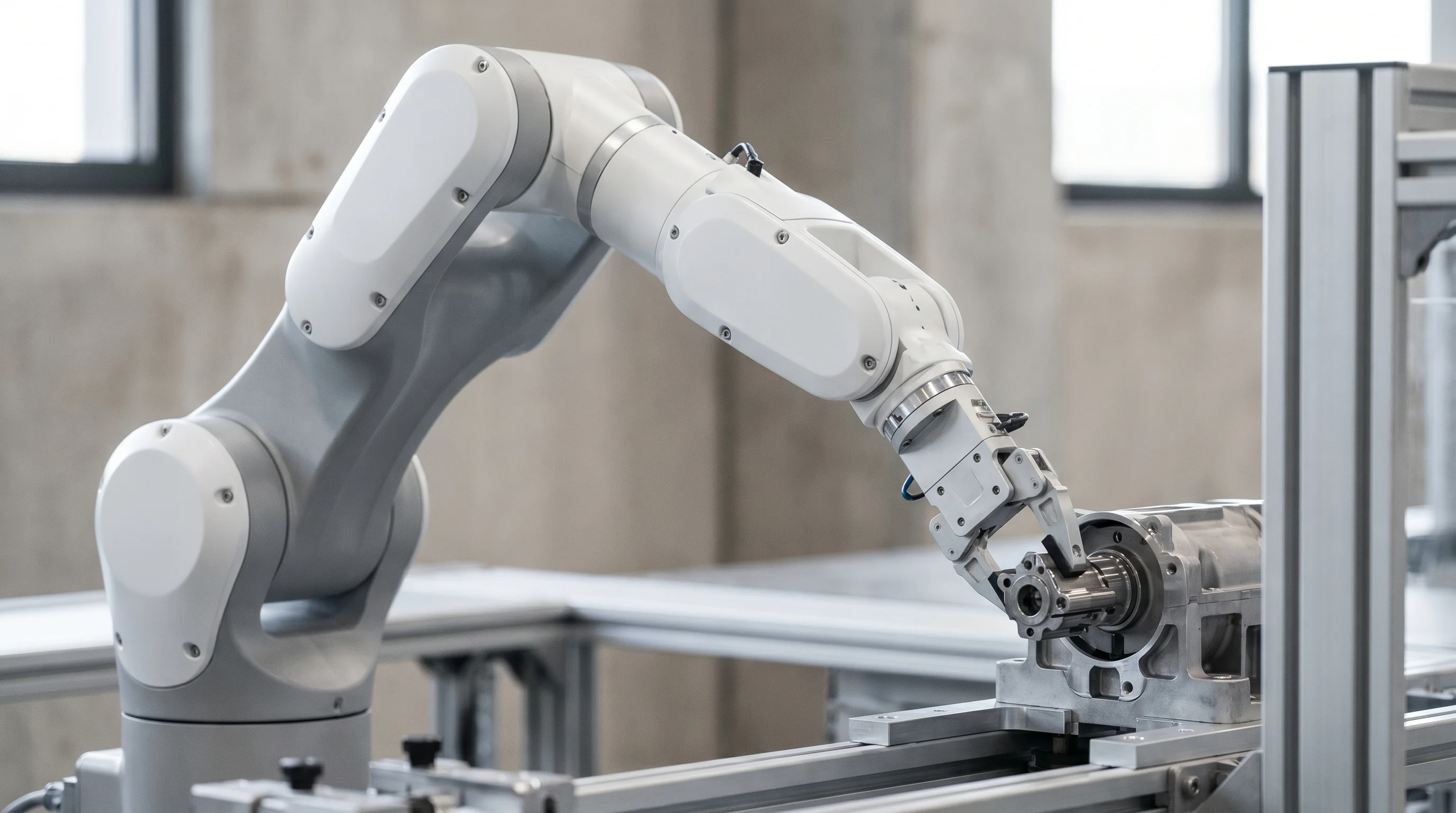
The thesis is fundamentally a durability play. Assume AGI—or something functionally close—arrives within the next few years. Which startups still matter? Zero Shot's answer: the ones operating in domains where intelligence alone doesn't solve the problem.
Robotics needs hardware, manufacturing, embodiment. Energy needs infrastructure, utility partnerships, regulatory navigation. Biology needs wetlab work, clinical trials, FDA timelines measured in years. AI security needs defenses that outlast whatever model architecture comes next.
It's a hedge of sorts. If foundation models plateau or commoditize faster than expected, the fund is positioned in adjacent markets that aren't purely software plays. If models keep improving on schedule, the portfolio companies still need more than better prompts to succeed.
Either way, they're betting on problems that can't be solved with an API call.
The Capital and the Gaps
The $20 million first close came from institutions and family offices, according to reporting from TechCrunch in April, though no LP names have been disclosed. The fund formally opened in March, and its website lists a San Francisco headquarters. Private Equity International references a Moraga, California address in its database, though that's likely a registered office rather than where anyone actually works.
LinkedIn shows the team at somewhere between two and ten employees as of mid-April—a range broad enough to be almost meaningless. Regulatory filings haven't surfaced in public SEC searches yet, which could reflect timing, entity structure, or simply that they're not required to file. Hard to say.
Proof Comes Later
Zero Shot enters a crowded field of AI-focused funds, many of them launched by operators with lab pedigrees. Anthropic partnered with Menlo Ventures on a $100 million initiative back in 2024. OpenAI's Startup Fund has been active for years. The edge Zero Shot claims is narrow but specific: these GPs didn't just work at OpenAI—they built the products that transformed the company from research lab into cultural phenomenon.
Whether that translates into returns is the only question that matters, and it's too early to answer. The fund is young enough that most of its portfolio hasn't shipped product at scale. Worktrace is in design partnerships. Foundry is still raising, not shipping. The stealth company is, well, doing whatever stealth companies do.
But the thesis is at least coherent. In a world where foundation models become ubiquitous—cheaper, faster, better—the startups that win will solve problems models can't touch. Or they'll build the infrastructure those models need to actually function in the messy, physical world.
Zero Shot is betting it knows the difference. Time, as always, will tell.


