

Felix Gerlach knows paperwork. At his previous venture, Passbase—a digital identity verification startup—he watched entrepreneurs burn weeks navigating Germany's Byzantine incorporation process, filling forms while their ideas cooled. The experience gnawed at him. Why should setting up a simple GmbH take longer than shipping a product?
Now Gerlach is doing something about it. His new company, Openlaw, just closed a $3.3 million seed round to collapse Germany's notoriously glacial business formation timeline from six weeks to three days. The investor roster reads like a who's-who of sharp money: Moonfire Ventures led, with checks from Y Ventures (backed by YouTube co-founder Jawed Karim), Zeno Ventures, Combination VC, and Orange Collective. Y Combinator, which backed Openlaw through its Fall 2024 batch, joined the round. Flex Capital, Palm Drive Capital, and Mento VC filled out the syndicate, according to founder disclosures.
At roughly €2.8 million in euro terms, the funding isn't eye-popping. But the backers suggest something larger at play—a bet that Europe's regulatory sludge has become a product opportunity.
Speed as Infrastructure
The pitch is deceptively simple. Where traditional German incorporation drags across six to eight weeks of notary appointments, registry filings, and tax paperwork, Openlaw's Beglaubigt.de platform claims to deliver fully registered entities in as little as three days. The company says it's served north of 25,000 customers as of April 2026, though that figure comes from marketing materials rather than audited books.
For Moonfire, the thesis centers on what happens when friction disappears. Every week a founder spends wrestling with bureaucracy is a week they're not building, hiring, or talking to customers. In a continent already fighting brain drain to faster jurisdictions—Singapore, Delaware, even Estonia—Germany's eight-week incorporation timeline feels like a self-inflicted wound.
Gerlach's solution doesn't bypass the system. It digitizes the hell out of it.
The Regulatory Tech Veteran
This isn't Gerlach's first rodeo with compliance infrastructure. He co-founded Passbase, a digital identity verification platform that earned him a spot on Forbes' 30 Under 30 Europe list in 2020 for finance. Parallel Markets acquired Passbase's assets in early 2023—though the terms weren't disclosed. Before that, he'd co-founded Coinance, a crypto management app, and logged time in product roles at Rocket Internet's Singapore and Bangkok outposts.
The through-line in Gerlach's career isn't sexy: it's paperwork. Identity verification, KYC compliance, regulatory onboarding. The stuff that makes founders groan but that gatekeeps entire markets. His bet, twice now, is that whoever makes bureaucracy invisible wins.
At Openlaw, he's joined by Alexander Sporenberg as co-managing director. The Munich-based entity—registered as Openlaw GmbH, HRB 292661—runs Beglaubigt.de as its German brand while maintaining a global identity under the name Platus. Most of the traction, though, appears concentrated in the home market.
Beyond the One-Time Sale

Where Openlaw diverges from traditional online formation services is in treating incorporation not as a discrete transaction but as ongoing infrastructure. The company handles GmbH, UG, GbR, and eGbR structures, yes. But it's also building a full stack: compliance monitoring, notarizations, tax registrations, digital mailbox services. Bookkeeping capabilities are in the pipeline, according to company announcements.
The real differentiator dropped in April 2025: the Incorporation API. Suddenly neobanks and fintech platforms could embed company formation directly into their onboarding flows. Qonto integrated. So did Holvi (now owned by Nuri), sevdesk, and Kontist (acquired by Shine). In a recent partnership announcement, sevdesk—one of Germany's leading accounting software providers—made Openlaw a featured integration.
The API model flips the script. Instead of entrepreneurs leaving their banking dashboard to visit a law firm's website, they spin up legal entities without breaking stride. It's infrastructure play, not a service business. And it scales differently.
Perhaps more telling: Openlaw operates with a team of approximately 15 to 20 people, according to recent job postings spotted at their Franz-Joseph-Straße offices in Munich. That's lean for a company claiming five-figure customer counts. It suggests the kind of workflow automation that traditionally requires armies of paralegals and notary clerks has been ruthlessly digitized.
The YC Legal Tech Cohort

Openlaw participated in Y Combinator's Fall 2024 batch, which culminated in an in-person Demo Day that December—a format YC had reinstated after flirting with virtual presentations during the pandemic years. The 93-company cohort included a cluster of startups attacking legal and compliance workflows with varying degrees of AI and automation.
Pearson Labs applied machine learning to legal transactions. Keye automated diligence for private equity shops. Afternoon.co promised AI-powered bookkeeping and tax prep. Sphinx built compliance infrastructure for banks and fintechs. The batch composition wasn't accidental. European bureaucracy, it turns out, remains a competitive liability—and investors see margin in middleware that makes regulation feel less like molasses.
YC's standard deal at the time—$500,000 for roughly 7% equity, structured as an initial $125,000 check plus a $375,000 uncapped MFN SAFE—provides capital. But for European founders like Gerlach, the real currency is network access and credibility. The Moonfire-led round, closed roughly four months after Demo Day, suggests that signal converted.
The Expansion Bet
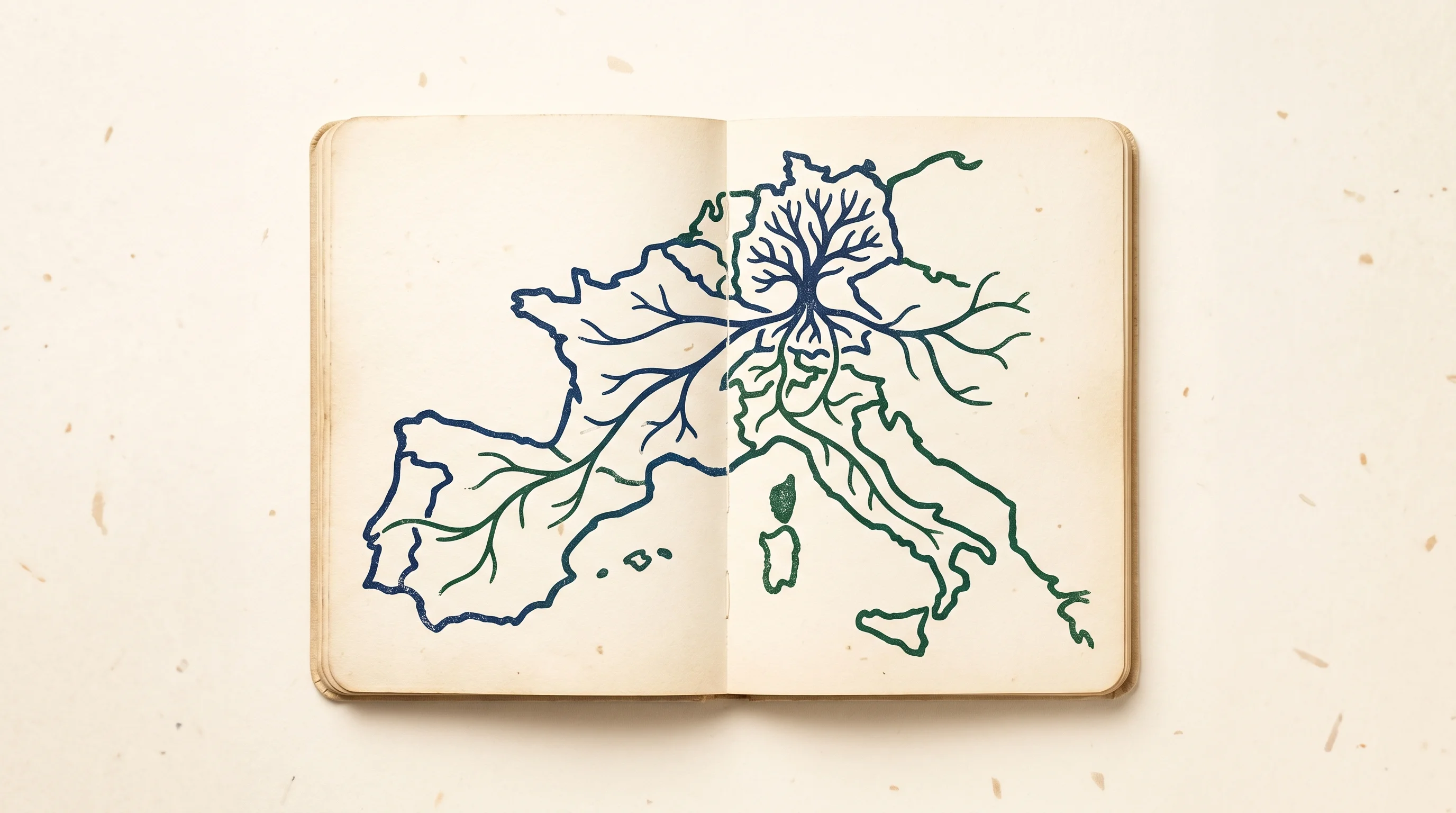
The fresh capital will deepen Openlaw's German footprint—more register processes, expanded bookkeeping, tighter integrations. But the real question is portability. Can the German playbook—API-first infrastructure, fintech partnerships, ruthless automation—export cleanly to France, Spain, Italy?
Each market maintains its own notary labyrinth, corporate registry quirks, and formation rituals. Germany began digitizing incorporation procedures in earnest around 2022 and 2023, creating regulatory tailwinds that Openlaw rode. Notary involvement remains mandatory for most structures, though. Openlaw hasn't eliminated bureaucracy. It's made bureaucracy faster—by digitally coordinating steps that traditionally happened in series, via fax.
Whether that three-day promise survives contact with French or Italian regulatory reality is an open bet. Gerlach lacks the local relationships and regulatory muscle he's built in Germany. The $3.3 million buys him runway to test the thesis. But speed, in bureaucracy as in startups, is often jurisdiction-specific.
What's undeniable: Europe's incorporation friction is real, measurable, and expensive. Every week matters when you're racing to product-market fit or trying to close a round before the window shuts. Gerlach's wager—twice now—is that whoever makes the paperwork disappear fastest wins the founder. The investors seem to agree.


