

The idea sounds almost absurdly science fiction: a network of satellites that beam concentrated sunlight to other spacecraft, turning empty space into something resembling a utility company. But Star Catcher, a Jacksonville-based startup most people haven't heard of, just pulled in $65 million to make it happen.
The Series A round closed May 12, led by B Capital, with Shield Capital and Cerberus Ventures—the venture arm of the massive private equity firm—coming in as co-leads. That brings the company's total raise to $88 million since its founding just two years ago. Not bad for a team betting on infrastructure that doesn't yet exist.
Star Catcher plans to put the capital toward its first in-space demonstration of optical power beaming later this year, then accelerate work on a second orbital mission. The company says it's already signed seven power purchase agreements and holds multiple government contracts. More ambitiously, perhaps, it claims a commercial pipeline representing over $3 billion in projected annual recurring revenue. Whether that pipeline materializes is another question entirely.
The Board Tells Its Own Story
Sometimes the investors matter as much as the check size. This round brought GreatPoint Ventures, Helena, Oceans Ventures, and MVP Ventures into the fold. But the board additions carry weight: Gen. John W. "Jay" Raymond, the retired first Chief of Space Operations for the U.S. Space Force and now a Senior Managing Director at Cerberus Ventures, joined alongside Jeff Johnson, who heads energy globally for B Capital, and David Rothzeid, a principal at SHIELD.
Raymond's presence alone suggests this isn't just venture theater. The Space Force's founding architect doesn't typically lend his name to moonshots without strategic substance.
Star Catcher had previously raised $12.25 million in seed funding in July 2024, co-led by Initialized Capital and B Capital. The company moved fast from there.
Lasers, Solar Panels, and No Retrofits Required
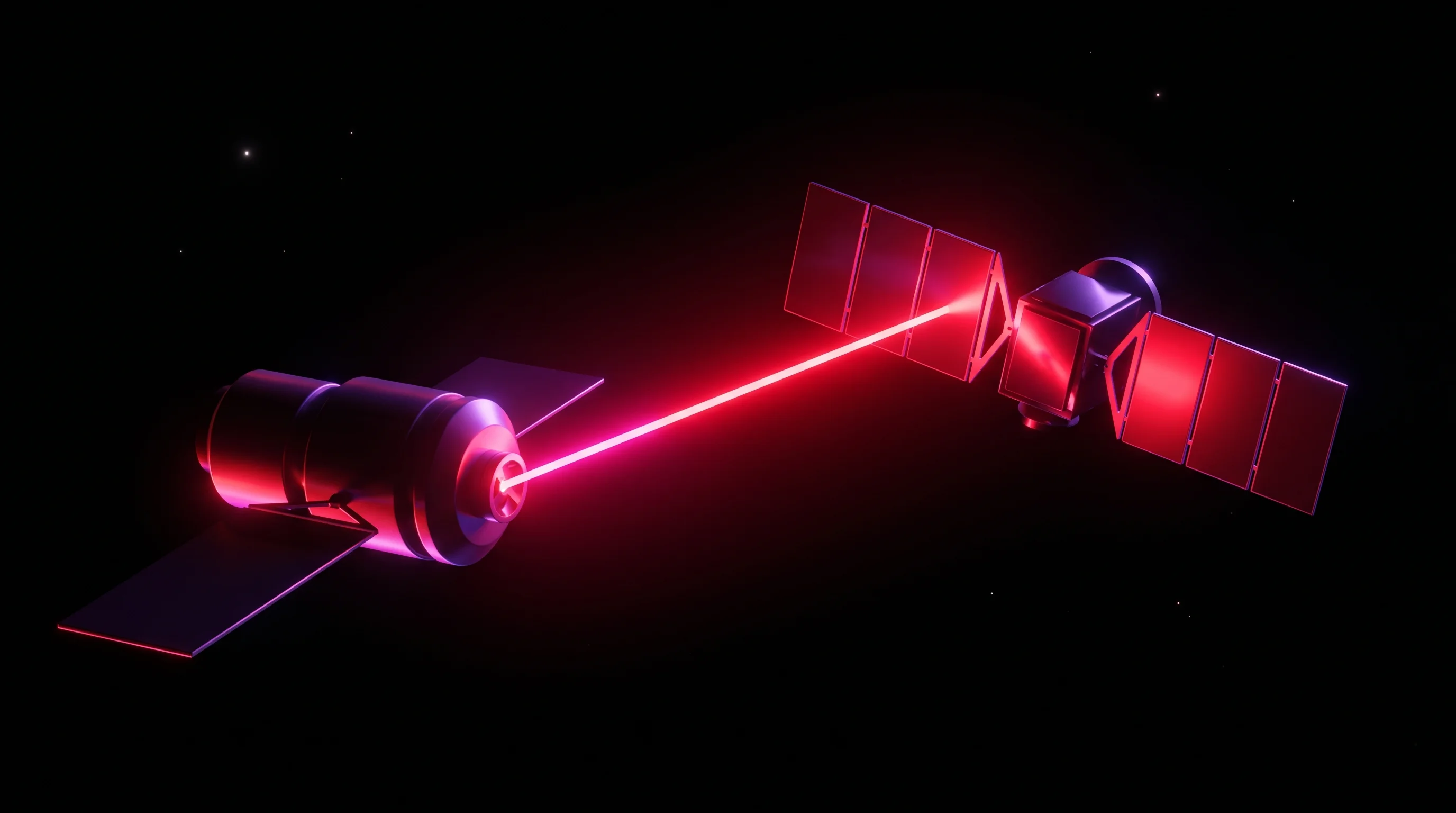
Here's how it works—or how it's supposed to work. Star Catcher is building power nodes that collect and concentrate sunlight in orbit, then beam it via lasers to client satellites' existing solar arrays. The pitch is elegant: no hardware retrofit, just more power. The company claims its system can deliver between two and ten times more energy than onboard systems alone, and crucially, it can operate during eclipse periods when satellites normally go dark.
The technology targets a constraint that anyone working in orbit knows well: power is finite, and capability demands energy. Whether you're running direct-to-cell constellations, on-orbit data centers, or just trying to extend the useful life of aging satellites, you hit power limits quickly. Star Catcher's wager is that as orbital operations grow denser and more ambitious, a space-based power grid becomes not optional but essential.
Three customers are named publicly among those seven signed agreements: Starcloud, which is building in-orbit data centers; Loft Orbital; and Astro Digital. The company also secured a $1.25 million AFWERX SBIR Phase II award in December 2025 to mature its core subsystems, adding government validation to the commercial interest.
Building in Public, From Football Fields to Kennedy Space Center
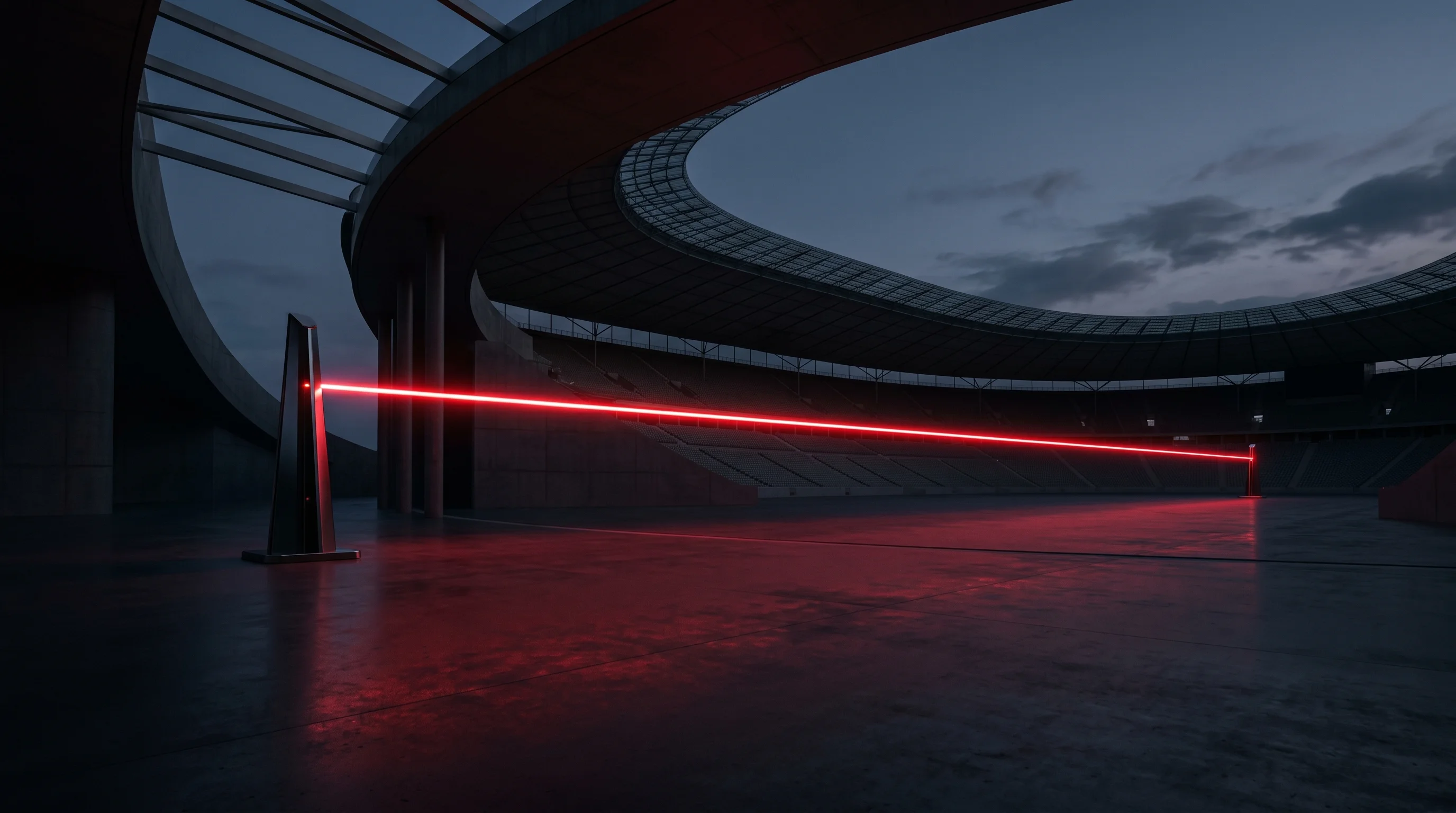
Star Catcher hasn't been shy about demonstrating its technology on the ground. In March 2025, the team transmitted energy more than 100 meters across EverBank Stadium in Jacksonville—a stunt, maybe, but one that proved basic feasibility. By November, they'd moved to Kennedy Space Center and set what they called a world record for optical power beaming: more than 1.1 kilowatts delivered to commercial solar panels, surpassing a prior DARPA benchmark of 800 watts.
An on-orbit software demonstration followed in October 2025, conducted with Loft Orbital under the name "Sextant Alpha." That test validated precision acquisition and tracking at distances representative of actual commercial operations. It's one thing to beam power across a stadium. Hitting a moving satellite from another moving satellite? That's harder.
The founding team carries space industry credentials. Andrew Rush, the CEO, previously led Made In Space and served as founding President and COO of Redwire. Michael Snyder, the CTO, co-founded Made In Space and earned the AIAA Lawrence Sperry Award in 2022. Bryan Lyandvert, the COO, comes from venture and Amazon, where he worked on wearables and emerging tech. The company itself was founded in 2024, which means it went from incorporation to $88 million raised in roughly two years.
What Happens Next
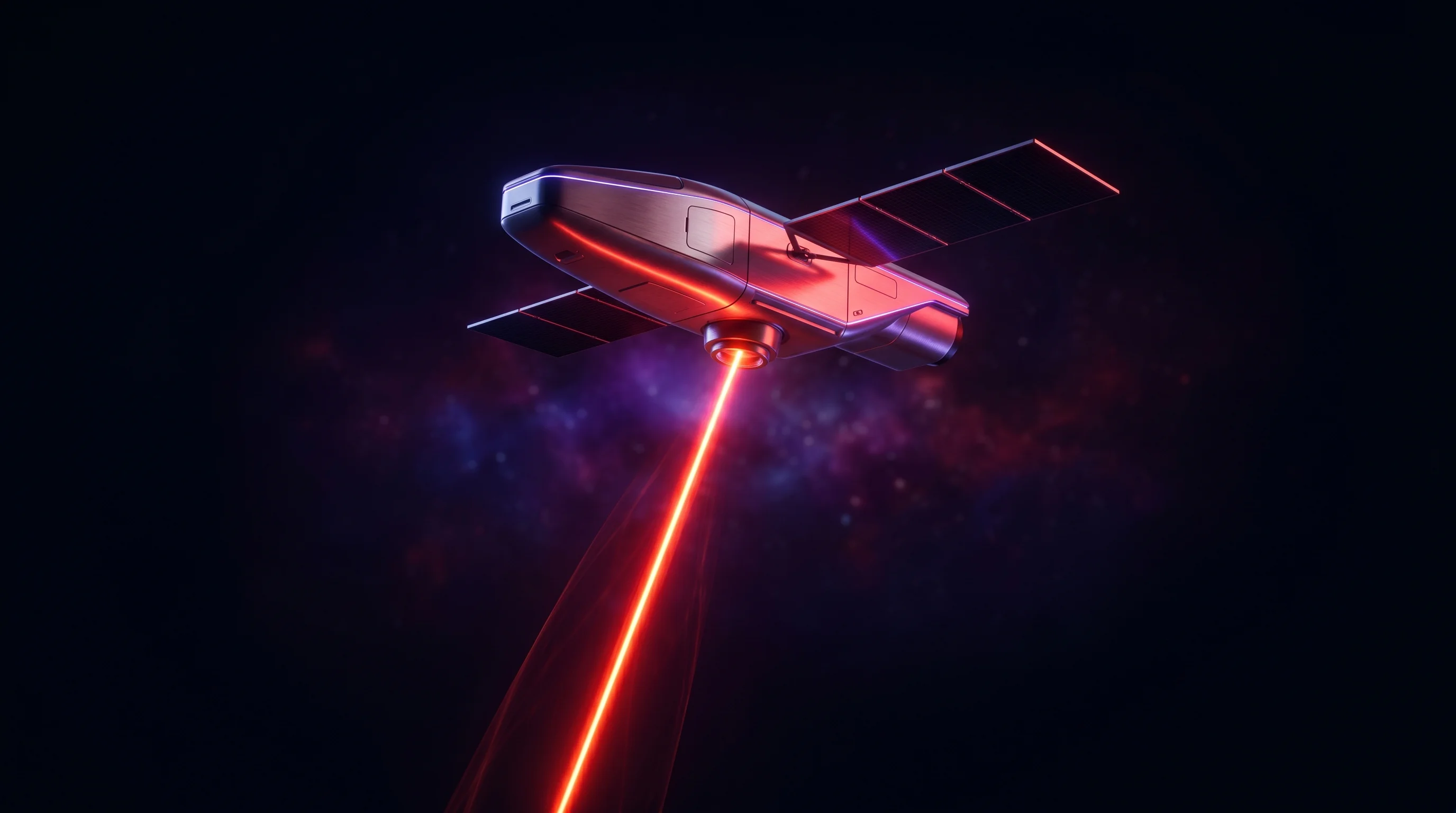
The first in-space optical power-beaming demo is scheduled for later in 2026. A second orbital mission will follow. The company plans to scale engineering and operations alongside hardware development—startup-speak for hiring aggressively and building fast.
If Star Catcher's thesis proves out, the orbital economy might start to look less like isolated spacecraft nursing finite power budgets and more like a genuine grid, with all the implications that carries. The $65 million round suggests investors believe that future is closer than it might appear from the ground.
Whether beaming power between satellites becomes standard infrastructure or remains an expensive curiosity will depend on execution, physics, and whether enough customers materialize to justify the buildout. For now, Star Catcher has the capital to find out.


