

Stay22's $122 million funding round from Summit Partners caps an unlikely recovery story—and signals bigger ambitions beyond its travel roots
Andrew Lockhead remembers 2020 with the clarity reserved for near-death experiences. His company, Stay22, watched 90% of its revenue evaporate as the pandemic grounded global travel. The Montreal-based startup had been helping travelers find accommodations near events and destinations. When the world stopped moving, the business model collapsed.
Six years later, Stay22 just closed a $122 million investment from Summit Partners. The company processed more than $1 billion in transactions last year. It serves over 5,500 creators and publishers. And it's no longer just about travel.
"The pivot happened because it had to," Lockhead said in an interview. What emerged from that existential crisis was something different: infrastructure for the creator economy, using artificial intelligence to connect audiences with products they actually want to buy.
The Money and What It Means
Summit Partners led the all-equity round, announced February 26. The Boston-based growth equity firm manages $44 billion and typically invests between $10 million and $500 million—this sits comfortably in the upper range of that bracket. Two Summit partners, Colin Mistele and Daniel Kim, joined Stay22's board as part of the deal.
For a company that had raised only around $1.5 million before this round, the capital infusion represents a dramatic step-up. (Early backers included Real Ventures, Good News Ventures, and Travelport; 7 Gate Ventures led a $750,000 seed round in May 2018.) The Raine Group advised Stay22 on the transaction. Legal teams from Osler, Hoskin & Harcourt, Choate, Hall & Stewart, and Dentons worked both sides.
Summit's interest makes sense when you look at the numbers. By January 2026, Stay22 was generating $7.2 million in monthly revenue, up 127% year-over-year, according to BetaKit, which cited an investor memo. The company now employs 105 people, up from a skeleton crew during the pandemic years.
How the Platform Actually Works
Stay22 operates what amounts to intelligent plumbing for online commerce. The core technology, called Roam, uses machine learning to route audiences to online travel agencies and retailers where they're most likely to convert. Think of it as matchmaking, but for transactions.
The platform analyzes destinations, optimizes landing pages, and selects suppliers dynamically. After a 2025 update, the company reported a 17% conversion uplift—a meaningful improvement in an industry where basis points matter. Stay22 doesn't charge partners upfront; instead, it takes performance-based commissions on completed transactions. Free to use, lucrative if it works.
The customer roster includes media publishers, content creators, and event organizers. On the supplier side: Booking.com, Expedia Group, Tripadvisor. Named partners range from travel blogger Nomadic Matt to Lonely Planet and Time Out Group. It's a two-sided marketplace where Stay22 sits invisibly in the middle, optimizing flows and taking a cut.
The Recovery Arc

Lockhead and CTO Hamed Al-Khabaz founded Stay22 in 2016 with a straightforward premise: help people find places to stay near concerts, festivals, sporting events. Then 2020 happened. Events vanished. Travel stopped. The business model broke.
What followed was a scramble, then a pivot. The company shifted focus to creator and publisher monetization more broadly, bootstrapping its way back from the edge. The recovery, once it took hold, accelerated quickly—perhaps more than the founders expected.
In 2023, Stay22 facilitated 562,000 bookings representing approximately $250 million in supplier revenues. By 2024, that figure had doubled to more than $500 million in bookings while reaching over one billion users. The first half of 2025 alone saw roughly $372 million in gross merchandise value across 1.3 million transactions.
That growth trajectory earned recognition: #69 on Deloitte's Technology Fast 500 North America in 2024, and #12 on the Fast 50 Canada list. Not bad for a company that nearly folded four years earlier.
Beyond Travel Bookings
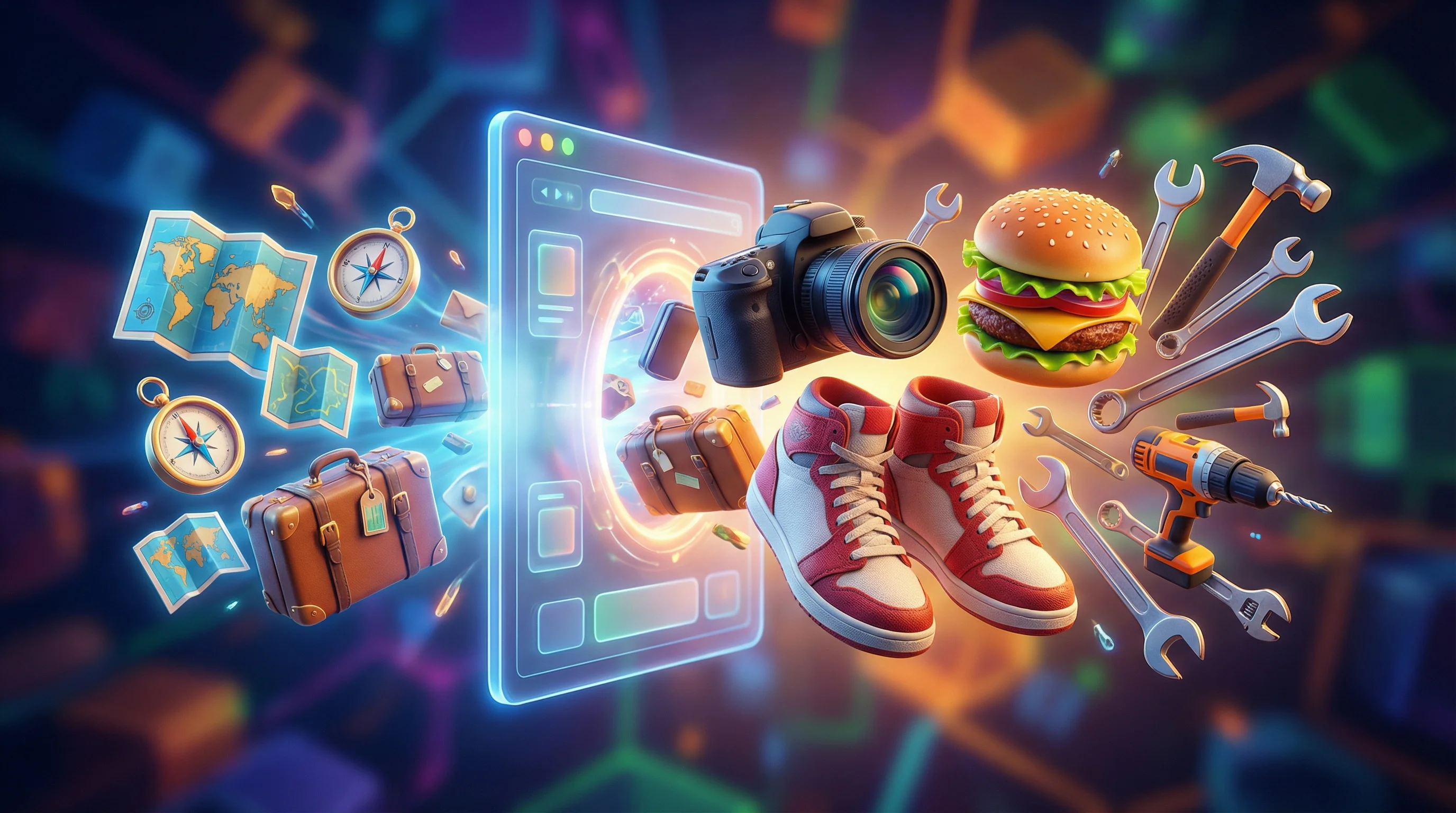
Here's where the story gets more interesting. Stay22 is pushing hard into retail categories beyond its travel DNA: food, fashion, DIY projects, lifestyle goods, consumer electronics. The expansion isn't theoretical—the company generated $80 million in gross merchandise value from retail operations in its first year, according to Summit's announcement.
This move positions Stay22 at a lucrative intersection. The creator economy is massive and growing. The Interactive Advertising Bureau projected it would reach $37 billion in U.S. ad spend in 2025 alone. Commerce infrastructure, meanwhile, has seen steady consolidation. Skimlinks was acquired by Connexity in 2020, which Taboola later bought in 2021. Sovrn picked up VigLink in 2018. Stay22 is betting it can become essential pipes in this ecosystem.
Summit Partners pointed to its track record backing creator economy infrastructure, including investments in Klaviyo, Manychat, Later, and StackAdapt. The firm clearly sees Stay22 as playing in the same sandbox, just focused on conversion optimization rather than marketing or communications tools.
Lockhead said the fresh capital will fund global expansion, product innovation, AI-powered optimization, and team growth. Standard growth equity playbook stuff, except this time the company is executing from a position of strength rather than desperation.
What Comes Next
The question now is whether Stay22 can translate its travel success into broader retail categories without diluting what made it work in the first place. Travel is a high-consideration purchase with strong margins. Selling fashion or DIY supplies involves different consumer behavior, lower average order values, and potentially thinner commissions.
Then again, the underlying technology—matching audiences with high-converting destinations—theoretically applies across categories. If the AI engine works as advertised, the category expansion becomes a data problem, not a business model problem.
For Summit Partners, the bet is that Stay22 has found sustainable infrastructure that scales. For Lockhead and his team, it's validation that the company they rebuilt from rubble has genuine staying power.
Not every startup gets a second act. Fewer still go from 90% revenue loss to nine-figure funding rounds. Stay22's story isn't finished, but the plot has certainly thickened.


