

The drones began patrolling a Swiss railway yard sometime last year. Autonomous, predictable, launching from a sleek box that charges them between rounds. No pilot. No waiver applications filed for each new site. Just software telling the machine where to go.
Alex Pachikov watched the deployments multiply—first dozens, then hundreds of daily patrols—and realized his company had stumbled into something larger than anyone expected back in 2016, when Sunflower Labs pitched itself as a "home awareness" system for tech-savvy homeowners.
On November 4, the San Carlos, California-based startup announced it had raised $16 million in a Series B round led by Sequoia Capital's Roelof Botha. But the money, while validating, wasn't the headline. Sunflower had secured something rarer in the commercial drone world: blanket FAA authorization to operate beyond visual line of sight across 99 percent of the United States. Over people. Over vehicles. In fog and rain. No site-by-site approvals required, provided the company stays within defined safety parameters.
It's the kind of regulatory green light that most drone startups spend years chasing, often unsuccessfully.
"We can now operate safely and legally across nearly every location in the United States," Pachikov told investors and partners in a call following the announcement. For a former Evernote founding team member who had pivoted his company away from consumers and toward enterprises, the approval represented vindication—and perhaps a blueprint for an industry still tangled in red tape.
The Pivot Nobody Planned
Founded in 2016 alongside co-founders Christian Eheim and Nicolas de Palézieux, Sunflower Labs originally envisioned backyard drones that would alert homeowners to motion, suspicious activity, or deliveries. Think Ring doorbell, but airborne. The consumer concept attracted early attention—General Catalyst led a $2.1 million seed round, and Stanley Ventures added strategic capital soon after.
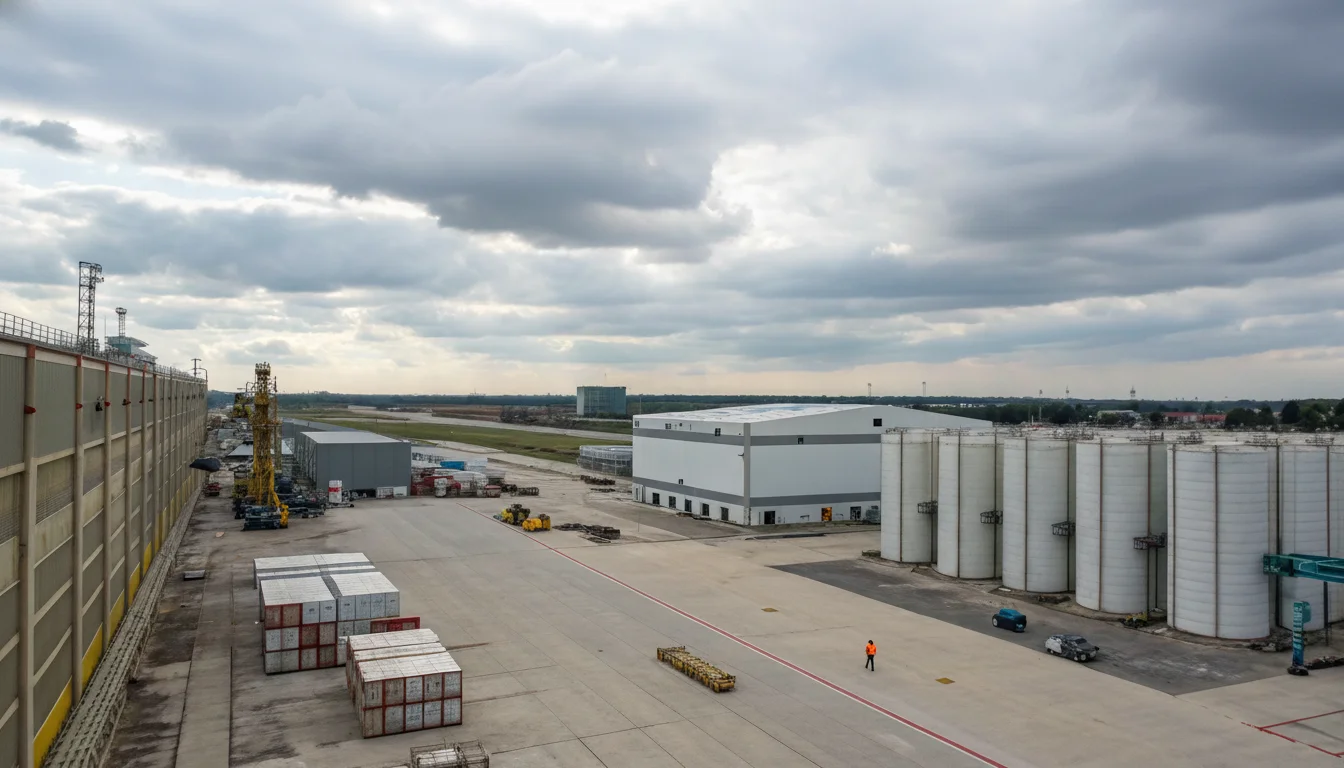
But consumer appetite never materialized at scale. So Sunflower quietly repositioned itself toward commercial security, targeting high-value properties, logistics yards, industrial facilities, and critical infrastructure. The shift paid off. In the past year alone, the company claims to have more than doubled its customer base. It now operates across roughly 60 clients in nine countries, including multiple European markets, Argentina, and the United States. Daily patrol volume—currently around 400 autonomous flights—is doubling every quarter, according to Pachikov.
Revenue remains modest, still in the millions annually. The company's basic system runs about $30,000 per year, a price point that positions Sunflower as a premium alternative to traditional security patrols or static camera networks. Customers include Swiss Federal Railways, property management firms, and security platform providers like Alarm.com and Alert360.
Sequoia Bets on the "Drone-in-a-Box" Thesis
Botha, who joined Sequoia after years building companies like PayPal, framed the investment around a straightforward thesis: large commercial sites need comprehensive coverage, and humans can't scale affordably. "Autonomous drones with computer vision to rapidly detect and deter threats" represent the logical next step, he said in a prepared statement.
Sequoia's backing is notable less for the dollar amount—$16 million is modest by late-stage venture standards—and more for the signal it sends. The firm rarely leads rounds in hardware-heavy startups, particularly in a sector as capital-intensive and regulation-dependent as commercial drones. That Sequoia stepped in at all suggests the firm sees Sunflower's FAA approval as a genuine competitive moat.
The round also drew participation from Alarm.com (which is both an investor and distribution partner), Japan's DRONE FUND, and a handful of other backers including Gentian Investments, Wakestream Ventures, Atlas Ventures, and Daybreak Ventures. Total known funding now sits at approximately $24 million since inception—hardly the war chest of a unicorn, but enough to keep the lights on and the drones flying.
Why the FAA Approval Matters
Here's where the story gets technical, but bear with it. Operating a commercial drone beyond visual line of sight—BVLOS in industry parlance—requires either a specific waiver or a performance-based authorization from the FAA. Most companies apply site by site, a process that can take months and costs tens of thousands of dollars in legal and consulting fees. Scale becomes nearly impossible.
Sunflower's nationwide authorization sidesteps that bottleneck entirely. The company can now deploy at new customer sites without restarting the regulatory process each time, provided operations stay within predefined safety guardrails: geofencing, altitude limits, weather conditions, and collision-avoidance protocols baked into the software.
The timing is fortuitous, maybe even strategic. In August 2025, the FAA published its proposed Part 108 rule, which would normalize certain BVLOS operations without waivers for compliant operators. Industry comment periods remain open; final rules could take years. Sunflower's approval effectively allows it to operate as if Part 108 were already in effect, giving the company a head start while competitors wait.
Not everyone is convinced the advantage will last. One venture investor who declined to participate in the round—speaking on background to preserve deal flow relationships—questioned whether Sunflower's approval would prove durable once Part 108 finalizes. "If the rules get codified and anyone can do BVLOS with the right tech stack, what's the defensibility?" the investor asked. Fair point. But in venture capital, being first often matters more than being permanently differentiated.
What Sunflower Does With the Money
Pachikov outlined three priorities during the funding announcement: accelerating AI development (specifically computer vision for threat detection), expanding deployments across the U.S., Europe, and Latin America, and deepening integrations with distribution partners.
That last point deserves emphasis. Alarm.com's dual role as investor and partner could unlock significant scale if the relationship deepens. Alarm.com operates a sprawling network of security dealers across North America; if even a fraction of those dealers begin offering Sunflower's drones as an upsell to commercial clients, the math gets interesting quickly.
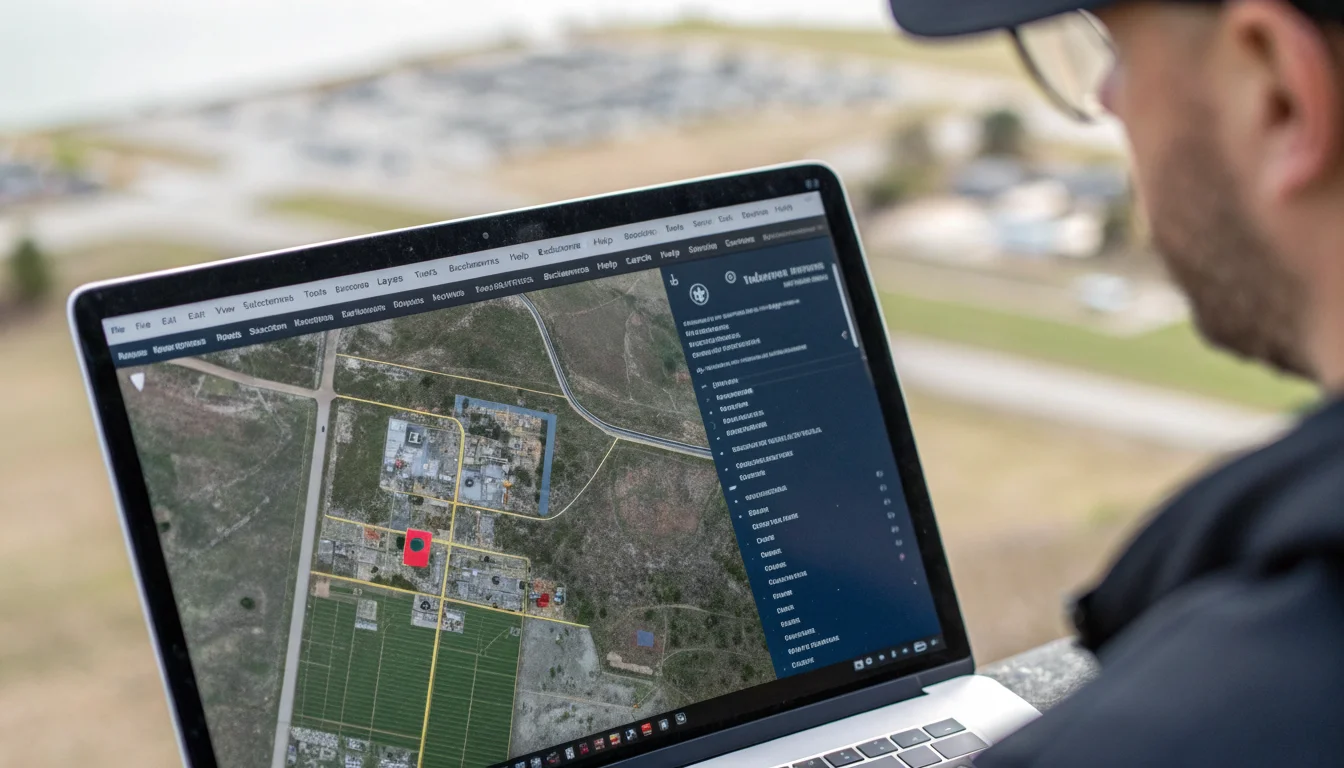
The company also recently launched a "Design Your System" online tool, allowing prospective customers to map property boundaries, position drone docks, and estimate response times before engaging Sunflower's sales team. It's a small detail, but one that signals operational maturity—an acknowledgment that enterprise sales cycles slow down when every deal requires bespoke scoping.
The Bigger Picture
Sunflower's story sits within a broader narrative about autonomous systems creeping into industries once dominated by human labor. Security patrols, warehouse monitoring, agricultural inspections—all increasingly handled by machines that don't take breaks or demand overtime.
The drone-in-a-box market, according to some projections, could reach $5 billion by 2033. That figure comes from industry analysts who may have incentives to paint rosy scenarios. But even skeptics acknowledge that labor shortages, rising insurance costs, and improving battery technology are conspiring to make autonomous drones economically viable where they weren't five years ago.
Whether Sunflower becomes the category leader or simply an early mover remains uncertain. Competition is intensifying. Companies like Skydio, Percepto, and others are pursuing similar regulatory pathways and targeting overlapping customers. Margins in hardware-enabled services tend to compress over time. And regulatory advantages, while meaningful, rarely last forever.
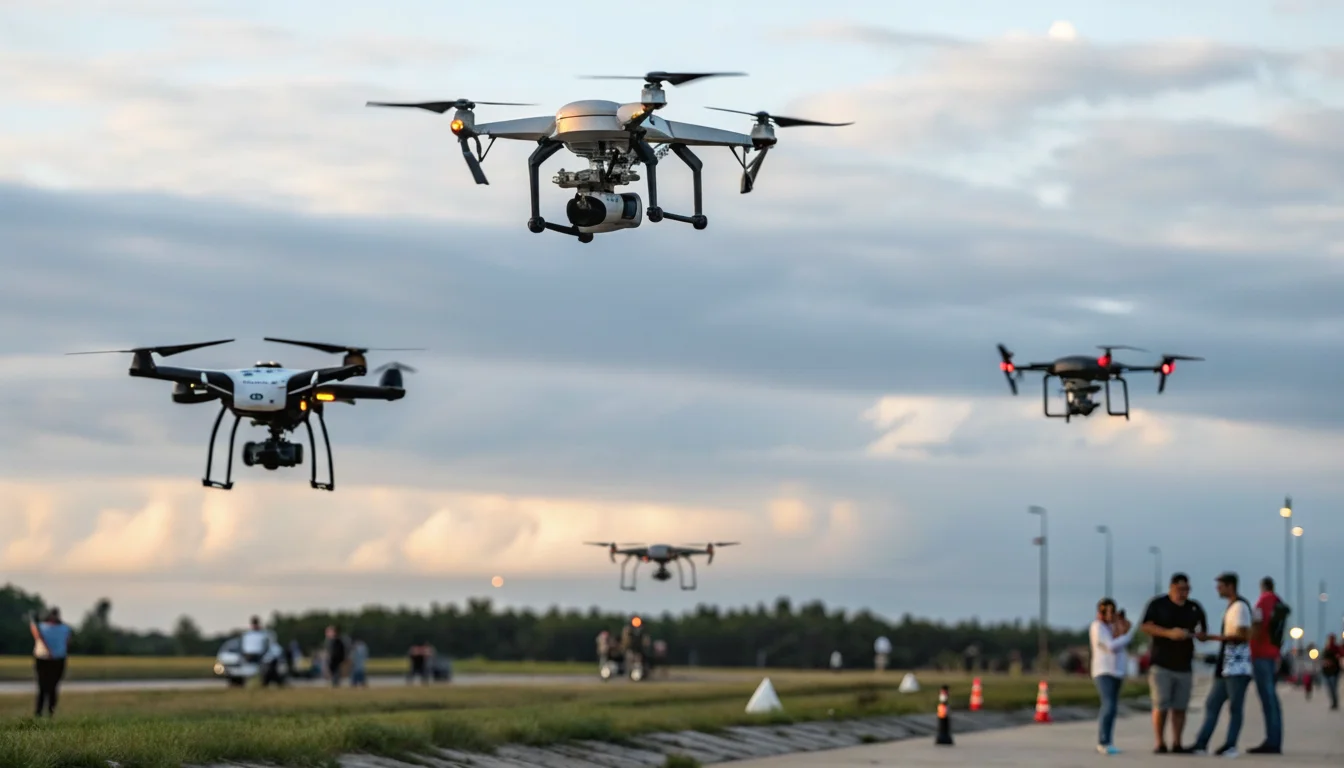
For now, though, Pachikov and his team can claim something most drone startups cannot: permission to fly almost anywhere, anytime, without asking first. In an industry still waiting for the rules to catch up with the technology, that's not nothing.


