

The timing alone tells you something. Just days before defense contractors descend on Paris for Eurosatory—the industry's most important European trade show—Alta Ares closed a €50 million funding round that would have seemed improbable, maybe even reckless, in another era.
But this isn't another era. The Paris-based counter-drone company, according to Reuters reporting from early June, is already fielding AI-powered interceptors in Ukraine. That means live fire. Real engagements. The kind of operational validation that defense investors used to wait years, sometimes decades, to see.
Founded only in 2024, Alta Ares raised a modest €2 million pre-seed/seed round just over a year ago, in May 2025. The leap to €50 million—a Series A reportedly led by Air Street Capital, with participation from Cherry Ventures, OTB Ventures, and Harpoon Ventures—reflects both the urgency of the moment and the peculiar economics of a defense market that has shed much of its traditional caution.
Baptism by Fire, Literally
CEO Hadrien Canter and his co-founders—Stanislas Walch, Théo Bondarec, Alain Henry, and Hadrien Bernard—positioned Alta Ares from the start as an AI-native defense company, a phrase that once sounded like Silicon Valley posturing but now carries weight. The team won NATO's Innovation Challenge in 2025, a credential that matters in procurement circles. More telling: they've already demonstrated their systems at France's DGA missile test range in Biscarrosse last November, with Ukrainian officers and NATO officials watching.
Their interceptors are in the field. The X-Lock, a rotary-wing platform, handles short- and mid-range threats with the agility you'd associate with commercial drones repurposed for something considerably less benign. Black Bird, a fixed-wing turbojet, stretches range and speed—up to 450 kilometers per hour during tests with Estonian forces in Arctic conditions this past February.
Both are reportedly intercepting Russian Shahed drones, the Iranian-designed loitering munitions that have become a fixture of the war in Ukraine. Alta Ares also claims deployments in the Middle East and parts of Asia, though the company hasn't elaborated on which customers or which theaters. In defense contracting, that kind of vagueness is often intentional.
The Stack Beneath the Hardware
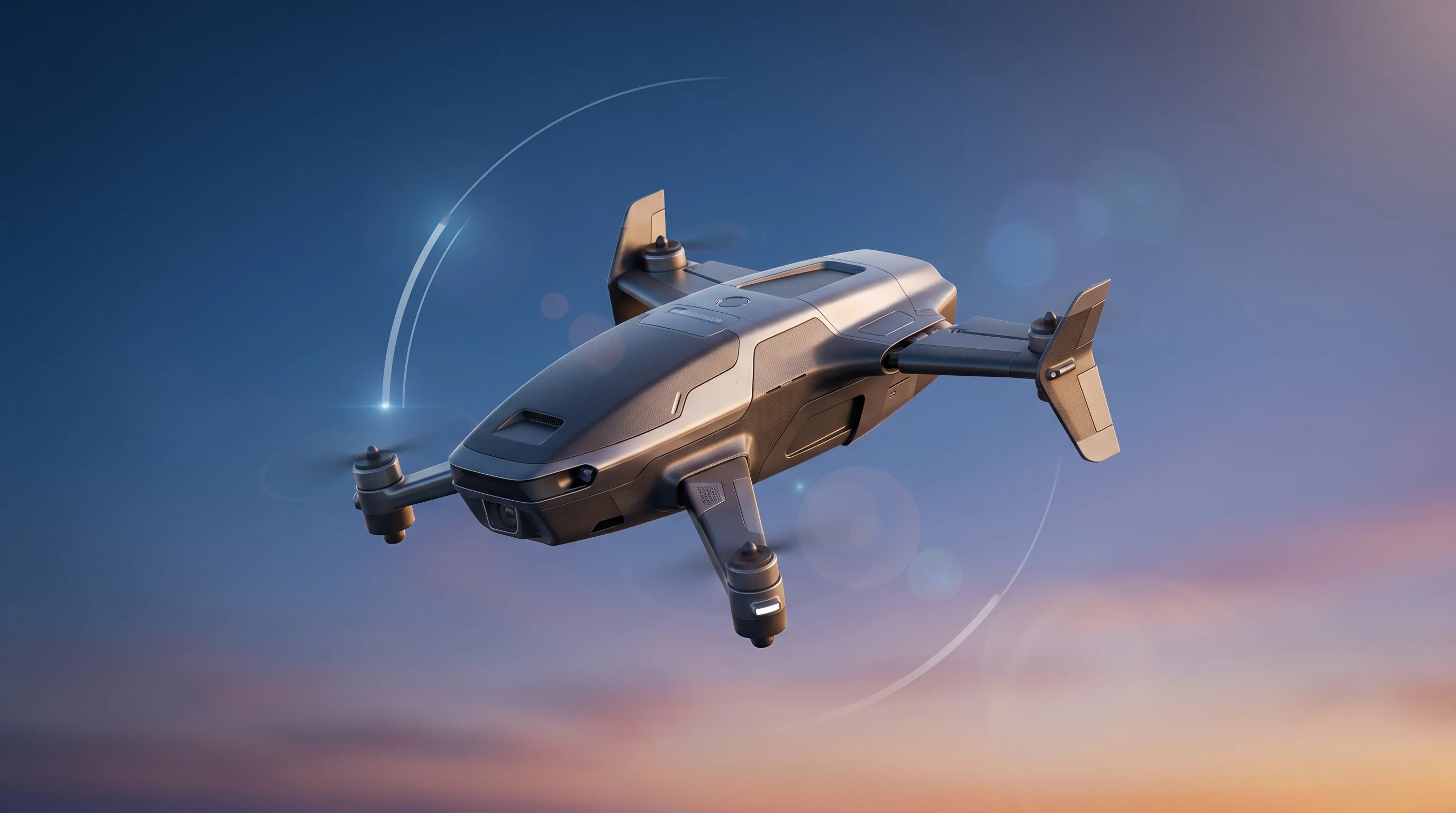
What distinguishes Alta Ares from, say, a well-funded hobbyist with a drone obsession? The software. Pixel Lock C-UAS manages detection and terminal guidance—the final seconds before interception, when margins collapse to near zero. Gamma ISR layers in real-time intelligence and surveillance, the connective tissue between spotting a threat and doing something about it.
Then there's Ulixes, the company'sMLOps platform. It's the less glamorous piece, handling data labeling and model deployment, but it's arguably the most critical. In contested environments where electronic warfare can scramble GPS and jam communications, autonomous systems need to iterate fast. Very fast. Ulixes is Alta Ares' bid to stay ahead of adversaries who are, themselves, iterating.
The company has partnerships with firms like Picogrid, announced last summer, to ensure its systems play nicely with NATO's Allied Command Transformation frameworks. Early customers reportedly include Thales, the French Army, and the French Air and Space Force—blue-chip names that lend credibility, even if contract values remain undisclosed.
A Market on Steroids
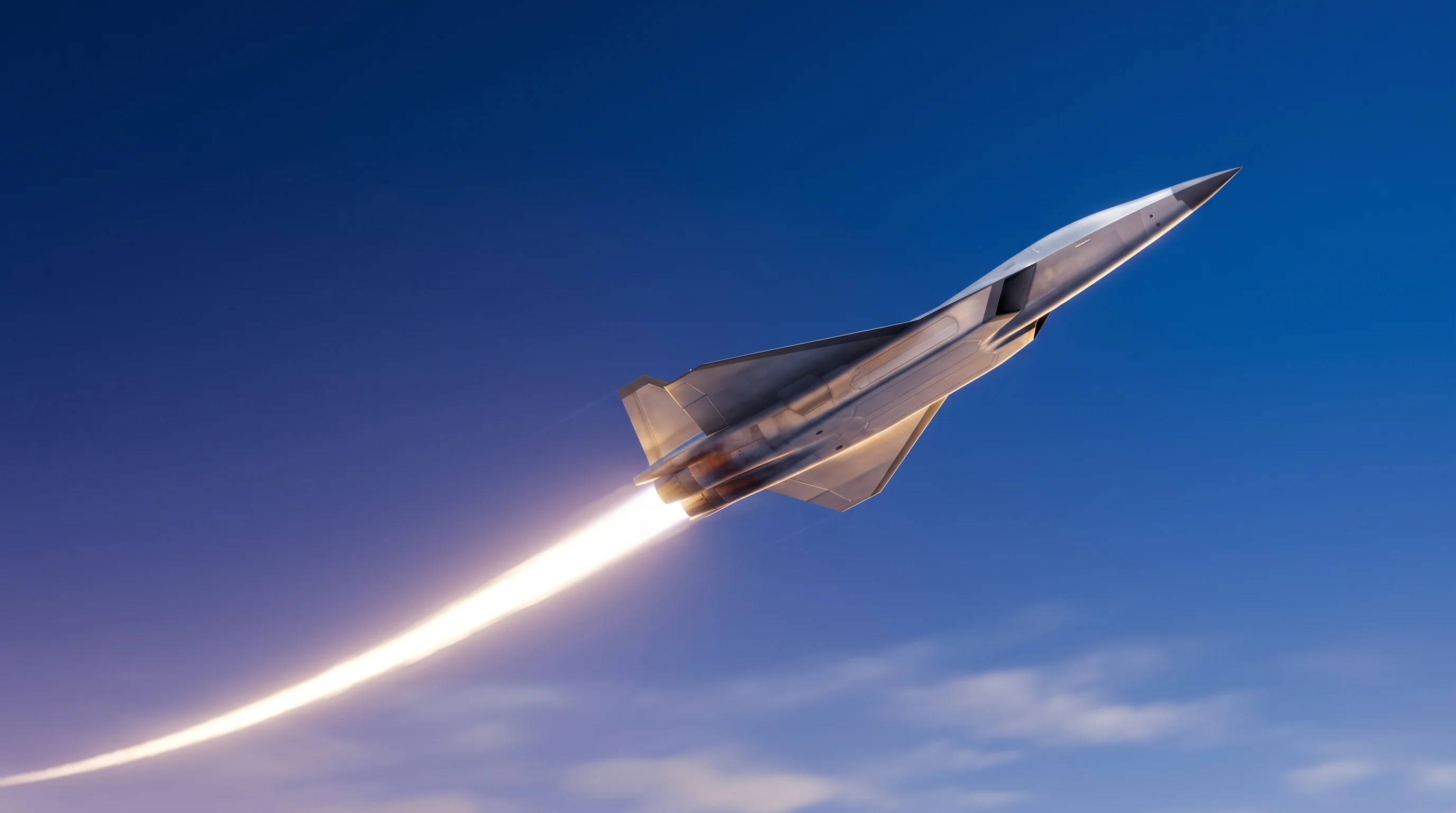
Context matters here. The defense tech sector isn't just hot; it's white-hot. Anduril Industries—perhaps the poster child for the new wave—raised $5 billion in May at a staggering $61 billion valuation. Hermeus, building unmanned hypersonic fighters, pulled in $350 million in April. Mach Industries, focused on low-cost effectors, hit a $1.8 billion valuation in June, quadrupling in a year.
Alta Ares is playing in a narrower lane—counter-UAS, or counter-unmanned aircraft systems—but it's a lane with extraordinary tailwinds. NATO members are scrambling to address drone threats that range from hobbyist quadcopters to sophisticated loitering munitions. European defense budgets, historically fragmented and sluggish, have loosened. Not dramatically, perhaps, but enough to matter.
The company operates out of Paris with satellite offices in New York and Kyiv. That last location isn't incidental. Proximity to the front lines means faster feedback loops, which in turn means better AI training data. It's also a signal to investors: this isn't a company waiting for validation. Validation is happening, in real time, under fire.
Alta Ares is hiring—engineering roles in Paris and Toulouse, operational positions in Kyiv. Recent job postings still reference the "€2 million pre-seed," a detail that feels charmingly out of date given the new capital infusion. Headcount remains undisclosed, as does the company's valuation and how exactly it plans to deploy the €50 million, though production scale is the stated priority.
Canter is slated to speak at RAAIS 2026, an AI and autonomy conference organized by Air Street Capital, an early backer. It's the kind of circuit appearance that matters more for recruiting talent than closing deals.
The Hard Part Starts Now

Raising capital when you have live deployments and a NATO imprimatur is, in some ways, the easy part. Scaling production is another matter entirely. Defense supply chains are notoriously complex, certification processes across multiple jurisdictions can stretch for years, and moving from pilot programs to volume contracts often requires navigating bureaucracies that make venture-backed startups pull their hair out.
Alta Ares announced plans last November to co-produce interceptors with a Ukrainian partner in France, an arrangement that could accelerate manufacturing while keeping critical operations within NATO borders. Details remain scarce—unsurprisingly, given the sensitivities involved.
The timing of this round, coming just ahead of Eurosatory and in the middle of active conflict zones where Alta Ares systems are already engaged, suggests the company is chasing demand rather than proving a concept. That's a luxury most startups never get. But it also means the pressure is on. Can they maintain operational tempo in Ukraine while simultaneously scaling manufacturing in Poland, Germany, and the United States?
Whether the €50 million buys a durable market position or simply extends runway in an increasingly crowded counter-UAS space is, for now, an open question. But in a sector where live battlefield data is the ultimate moat, Alta Ares has something most competitors can only simulate.


