

There's an inconvenient truth lurking in the wires overhead: Roughly 5% of the electricity coursing through America's transmission lines simply vanishes, lost to resistive heat before it ever reaches a home or factory. That number, according to Energy Information Administration data from 2018–2022, translates to tens of billions of dollars in wasted energy annually—a quiet hemorrhage baked into the physics of copper and aluminum.
Arcturus Technologies, a materials startup that surfaced from stealth mode on June 30, 2026, thinks it has an answer. The company closed an $8 million seed round led by Initialized Capital, bringing its total capital raised to $10 million with backing from 1517, Breakthrough Energy Discovery, Toyota Ventures, and Wireframe Ventures. Its pitch: use lasers to infuse carbon nanomaterials—graphene and carbon nanotubes—directly into conventional conductor metals, fundamentally altering how power moves through wires.
The timing is no accident. Industry analysts point to AI data centers driving unprecedented electricity demand. Grid modernization has become a bipartisan rallying cry. And electrification—of vehicles, of heating, of manufacturing—has turned efficient power delivery from an engineering detail into an economic imperative.
Attacking Conductivity at the Atomic Level
Most attempts to improve conductors have involved workarounds: composite cores, clever strand geometries, better insulation. Arcturus is taking a different path, targeting the intrinsic properties of the metal itself.
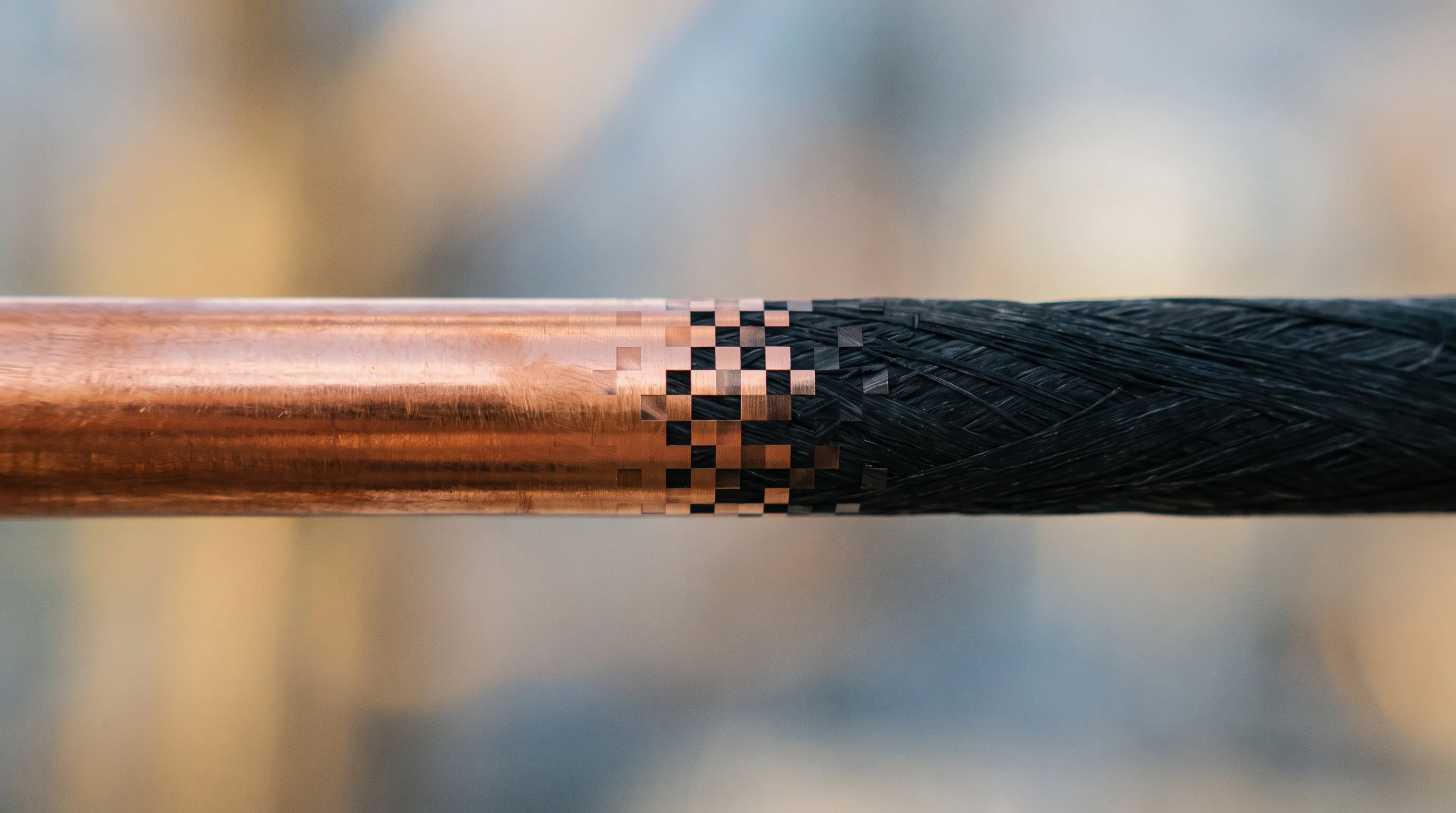
The company's proprietary laser process embeds carbon nanomaterials uniformly into copper and aluminum, aiming for step-change improvements in conductivity, thermal performance, and mechanical strength at elevated temperatures. These aren't marginal gains—at least not in the company's framing. The materials are pitched as drop-in solutions, designed to slot into existing motors, busbars, and data center components without requiring wholesale architectural redesigns.
"Arcturus exists to attack the bottleneck at its source," says Amir Mashal, founder and CEO, who previously served as a principal investigator at HRL Laboratories and holds a materials science background from the University of Wisconsin–Madison. "We're creating a new class of metals infused with carbon nanomaterials that can move more power, waste less energy, and open the door to the next generation of electrical systems."
It's an ambitious claim for a company that, as of the announcement, produces proof-of-concept output measured in centimeters of wire.
The Scale-Up Challenge Ahead
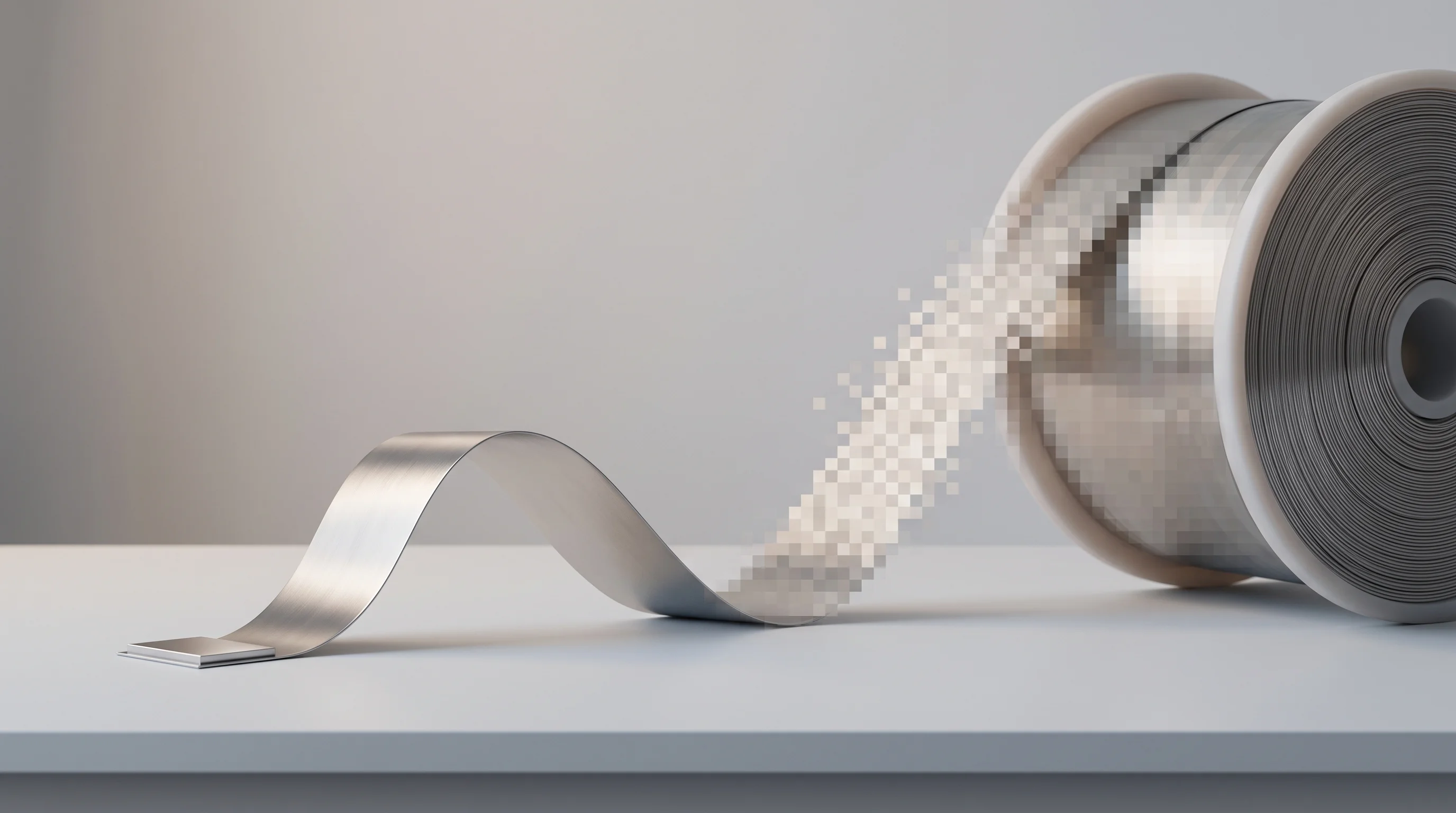
That small sample length underscores the distance between lab breakthrough and commercial viability—a gap Arcturus is now racing to close. The seed capital will fund scaling production to tens of meters, enough to enable pilot testing in motors, busbars, and data center thermal management systems. These are applications where even modest gains in conductivity or heat dissipation can yield measurable efficiency improvements, and where customers may be willing to pay a premium for performance.
The company frames transmission and distribution infrastructure as a long-term target, perhaps acknowledging that convincing utilities to swap out grid-scale conductors is a tougher sell than landing pilots with robotics startups or hyperscale cloud operators. Near-term applications center on higher-value, smaller-scale components where the economics of premium materials are more forgiving.
Manufacturing is the make-or-break question. Carbon nanotubes have tantalized materials scientists for decades, but consistent, cost-effective production at scale has proved elusive. Arcturus will need to demonstrate not just superior performance but repeatable, economically viable fabrication—a challenge that has tripped up more than a few well-funded materials ventures.
What Investors See (and What They're Betting On)
Initialized Capital partner Zoe Perret positioned the round as a wager on materials-level innovation meeting infrastructure demands driven by AI, electrification, and grid modernization. "Rather than composite cores or strand geometry tweaks, Arcturus infuses carbon nanomaterials directly into copper/aluminum to alter intrinsic properties," she wrote in a June 30 blog post outlining the firm's thesis. It's a bet on fundamentals over incrementalism.
Ethan Sohn, a principal at Toyota Ventures' Climate Fund, echoed the optimism, highlighting Arcturus's focus on "innovating at the fundamental material level for the future of power delivery." Breakthrough Energy Discovery, which selected Mashal as a fellow before the seed round, framed the startup as bridging a materials breakthrough with large-scale market need—precisely the kind of convergence climate tech investors spend years hunting for.
The investor mix is telling. Breakthrough Energy brings deep technical credibility and a mandate for hard science. Toyota Ventures signals interest from an industrial incumbent grappling with electrification. Initialized and 1517 add Silicon Valley risk appetite and a track record spotting contrarian founders early.
The Road from Wire to Grid

Arcturus is actively hiring across nanomaterials, process engineering, and scale-up disciplines as it moves toward application testing and eventual commercialization. The company hasn't disclosed customer partnerships, though its pipeline reportedly targets sectors where conductor performance directly impacts system-level economics: motors, robotics, drones, and high-density data centers.
Grid-scale deployments remain a longer-term ambition, contingent on proving out the technology in more controlled environments first. That's the pragmatic path—though also the one that delays the biggest potential impact.
Whether Arcturus can deliver on its vision will hinge on execution: scaling manufacturing without sacrificing material properties, hitting cost targets that make adoption economically rational, and navigating the notoriously conservative procurement cycles of utilities and industrial buyers.
But if the company succeeds, the payoff extends beyond investor returns. In an era when electricity demand is surging and efficiency has become a climate and economic priority, even incremental improvements in how power moves through wires add up. And if the improvements turn out to be more than incremental? That's the bet Initialized, Toyota Ventures, and Breakthrough Energy are making—that sometimes, changing the game means changing the metal.


