

The European Innovation Council doesn't hand out money easily. So when Arkadia Space—a Castellón-based propulsion startup betting its future on hydrogen peroxide—cleared the gauntlet earlier this year, it said something about both the company and the market it's chasing.
Out of 923 applicants, just 61 made the cut for the EIC Accelerator program. Arkadia became the first Spanish space company to land the backing: €14.5 million in blended financing announced in March 2026, split among a €2.5 million grant, €6 million in equity from the EIC Fund, and another €6 million from private investors whose names the company isn't yet sharing.
That 6.6% acceptance rate? Roughly as selective as Stanford's undergraduate admissions, though the stakes involve satellite thrusters rather than dormitory assignments.
The Pitch: Ditch the Toxic Stuff
What caught Brussels' attention was Arkadia's core thesis—that the space industry can finally wean itself off hydrazine, the notoriously nasty rocket fuel that's powered satellites for decades but requires handlers in full hazmat gear and sits on the EU's list of Substances of Very High Concern. The company's alternative uses high-test hydrogen peroxide, the same chemical that bleaches hair at lower concentrations but becomes a potent propellant at 98% purity.
CEO Francho García and CTO Ismael Gutiérrez, who along with co-founders Francisco José Espinosa and Sergio Soler spent years building propulsion systems at PLD Space before striking out on their own in 2020, claim their approach slashes operational and refueling costs by more than 60% compared to hydrazine systems. The savings come partly from simpler ground handling—no specialized bunkers, no elaborate protocols, no teams suited up like they're responding to a chemical spill.
Whether that cost advantage survives contact with production scale remains to be seen.
Brussels' New Playbook
The EIC Accelerator represents a shift in how European institutions fund moonshot technology. Instead of choosing between pure grants or venture capital, the program layers both—patient equity alongside non-dilutive support, acknowledging that deep tech ventures often face technical risks too gnarly for conventional VCs but need more than research funding to reach market.
The €6 million equity stake from the EIC Fund comes with the usual governance rights: board seats, follow-on investment options, the kind of oversight that makes founders grimace but investors sleep better. That private €6 million tranche, meanwhile, suggests institutional money beyond angel checks—though Arkadia isn't naming names yet.
This builds on the company's €2.8 million seed round from October 2023, when Draper B1 led the round with participation from Expansion Ventures and a constellation of space-sector angels, including Loft Orbital's Antoine de Chassy and Pedro Duque, Spain's former astronaut and brief science minister.
Validation, Then Volume
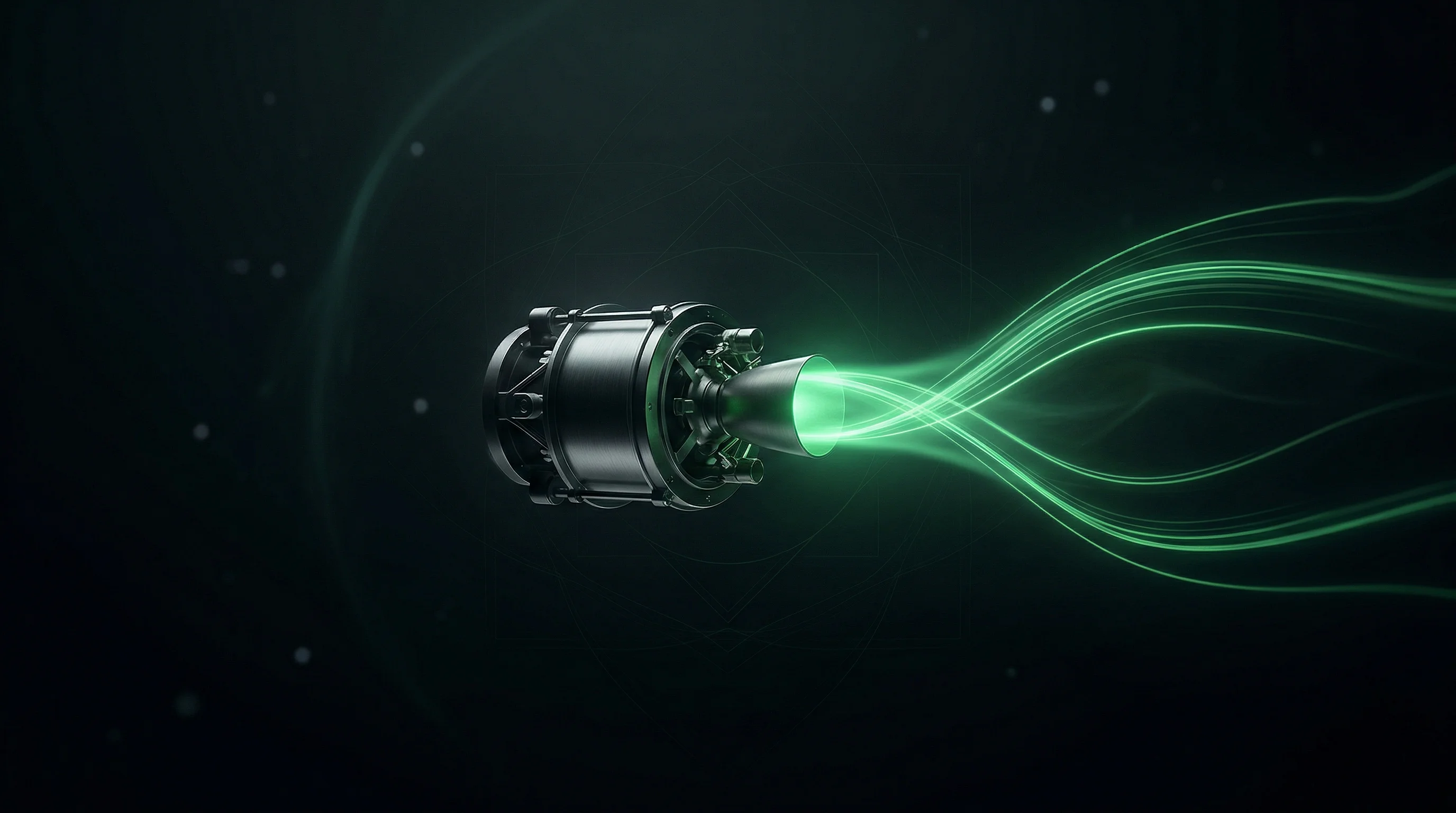
Arkadia hit its first major milestone last spring when its DARK propulsion system flew aboard a D-Orbit ION satellite carrier launched on SpaceX's Transporter-13 mission. By June, Aviation Week reported successful initial firings—the first hydrogen peroxide system demonstrated in European orbital operations, if you're keeping score.
That orbital validation opened the commercial floodgates, at least a crack. The company's first fully commercial contract supplies 250-newton ARIEL thrusters to MaiaSpace, the ArianeGroup-backed reusable launcher project targeting Europe's smallsat market. The ARIEL thruster emerged from an ESA Future Launchers Preparatory Programme project and reached Technology Readiness Level 6 late last year after extensive testing at Arkadia's facility at Castellón Airport—a privately managed propulsion test center that the company bills as Europe's first outside government oversight.
García hinted to reporters that several additional contracts are signed but not yet public, with announcements expected "in coming months." Standard startup opacity, perhaps, but also the rhythm of aerospace procurement: slow negotiations, long lead times, sudden announcements.
The Execution Question
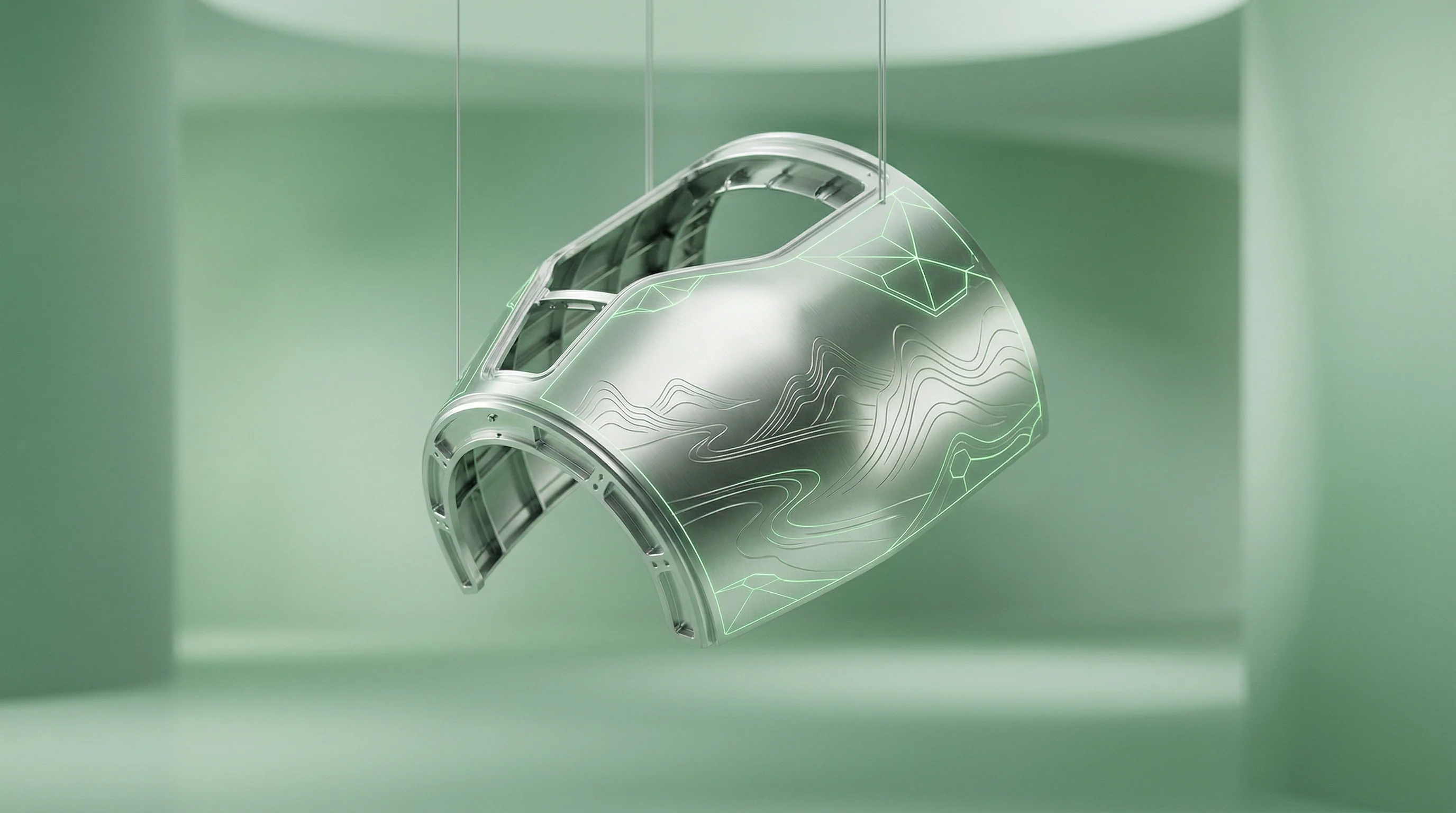
With 31 employees, Arkadia sits in that awkward middle zone where space hardware companies either break through or break down. Too big for scrappy improvisation, too small for industrial-scale manufacturing—precisely where production challenges multiply and cash burns fastest.
The €14.5 million will fund commercialization of both monopropellant and bipropellant product lines, expand testing capacity at Castellón, and scale R&D and manufacturing. Essentially, the transition from validated prototype to volume supplier presents the classic challenge facing aerospace startups: navigating production scale-up while managing burn rate and fending off competitors.
And there are competitors. ECAPS—now absorbed into Bradford Space—markets its ADN-based LMP-103S system as a hydrazine alternative. Dawn Aerospace pitches nitrous oxide bipropellant. The market for greener propulsion clearly exists; whether hydrogen peroxide can claim sustainable share or remains a niche curiosity depends on factors beyond chemistry: supply chain economics, customer inertia, regulatory momentum.
Tailwinds and Headwinds
The European smallsat market provides context, if not guarantees. Euroconsult projected in 2023 that the following decade would see 28,700 satellites built and launched—a manufacturing and launch market approaching $588 billion. But forecasts are forecasts. Converting projections into purchase orders in aerospace, where incumbents and legacy systems dominate procurement, is another matter entirely.
Regulatory pressure may help. REACH restrictions on hydrazine are tightening, and European operators face increasing scrutiny over handling procedures. Economic pressure matters too: if Arkadia's cost savings prove real at scale, satellite builders have reason to switch beyond environmental virtue signaling.
For now, the company's trajectory suggests momentum rather than inevitability. First orbital demo: check. First commercial contract: check. First Spanish space company through the EIC Accelerator: check. Whether Arkadia becomes a standard propulsion supplier or a footnote in the green space race depends on what happens over the next 18 months as it navigates the perilous journey from validation to volume.
The funding helps. But in aerospace, money buys runway—not altitude. That comes from execution.


