

In a dusty industrial corridor in Sikandrabad, Uttar Pradesh, BatX Energies is betting it can solve one of India's quietest infrastructure challenges: what to do with the batteries once the electric vehicle revolution actually arrives.
The Gurugram-based startup closed Rs 105 crore—roughly $11 million—in Series A funding in early July 2026, led by IvyCap Ventures, with backing from existing investors including Zephyr Peacock, the family offices of Mankind Pharma and Excel Industries, and JITO. It's not transformative capital by Silicon Valley standards, but in India's nascent battery recycling ecosystem, it represents something more elemental: a wager that the country can build domestic capacity for critical minerals recovery before it's buried in spent lithium-ion cells.
Perhaps more than the founders expected when they started in 2020, that challenge has become urgent.
Extracting Value from Waste
BatX, founded by CEO Utkarsh Singh and CTO Vikrant Singh, occupies a niche that's part chemistry lab, part industrial salvage operation. The company extracts lithium, cobalt, nickel, and graphite from dead batteries through what it markets as "Zero Waste–Zero Emission" processes—though how zero is zero remains a matter of proprietary methodology and regulatory interpretation.
The company's HUB-1 hydrometallurgical facility, which was announced at the end of 2024, refines black mass (that crumbly residue left after battery shredding) into battery-grade materials ready for reintroduction into the supply chain. It's unglamorous work. But as India races to electrify transport while reducing reliance on Chinese and other imported raw materials, someone has to do it.
BatX claims to hold four granted patents. In mid-2026, the company announced it had received an Indian patent for an LFP-recycling process that generates cathode active material directly—a technical leap that, if scalable, positions BatX further up the value chain than simple materials extraction. Whether the economics pencil out at commercial scale is another question entirely.
The Capital Trail
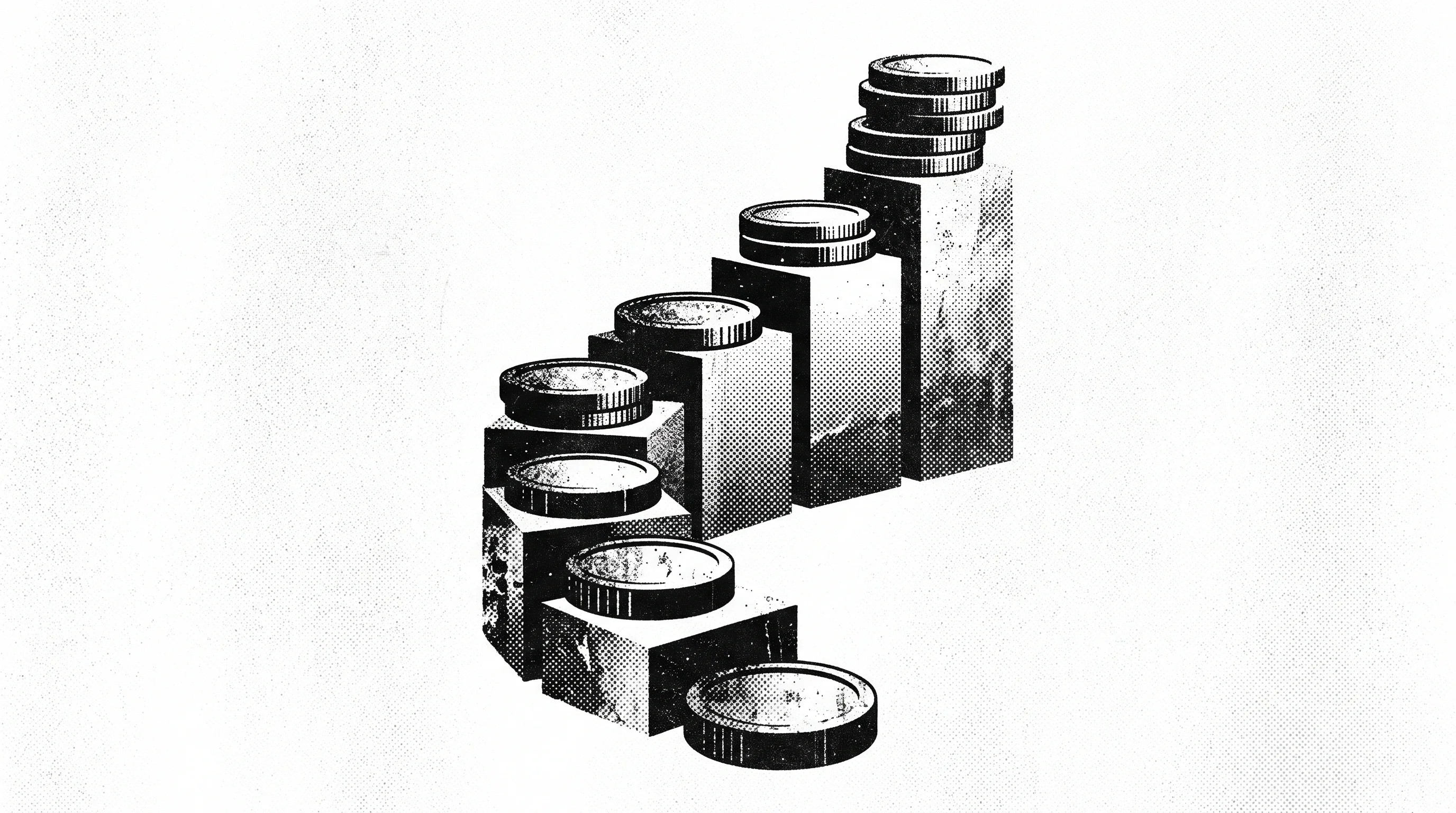
This isn't BatX's first rodeo with venture capital. The Series A follows a $5 million early-stage funding round in December 2023, led by Zephyr Peacock with participation from LetsVenture, JITO Angel Network, and the same family offices that returned for this round. Before that came $1.6 million in seed funding during June 2022, led by JITO Angel Network.
IvyCap Ventures, the lead investor this time around, closed its Fund III at Rs 2,100 crore in 2024 and manages roughly Rs 5,000 crore in assets. The firm, founded in 2011, has been methodically building a portfolio in India's energy transition infrastructure—less flashy than consumer tech, but arguably more critical if the country's EV ambitions are to avoid running aground on materials shortages.
The startup plans to deploy the fresh capital toward expanding recycling and refining capacity and deepening R&D efforts, particularly around domestic critical battery materials supply. BatX has not disclosed current processing capacity or specific expansion targets, which leaves open questions about scale and throughput.
The valuation? Undisclosed. As is tradition.
Racing to Build an Ecosystem
BatX is operating in what might charitably be called an emerging market. India's Battery Waste Management Rules, introduced in 2022, established an Extended Producer Responsibility framework for all battery chemistries—creating, in theory, the regulatory scaffolding for a recycling industry. In practice, infrastructure is trailing demand projections by a wide margin.
That gap has created both opportunity and operational headaches for early movers like BatX. The company has signed partnerships with players trying to build out the value chain. In July 2025, it inked an agreement with VinFast Auto India for high-voltage EV battery recycling and material recovery. Later that same month, BatX announced an MoU with Germany's Rocklink GmbH to develop what the companies described as India's first integrated rare-earth magnet recycling and refining ecosystem—a mouthful of industrial jargon that signals ambitions beyond lithium-ion cells alone.
Whether those partnerships translate into steady feedstock and revenue remains to be seen. Battery volumes in India are still modest, and collection logistics remain patchy.
What Comes Next
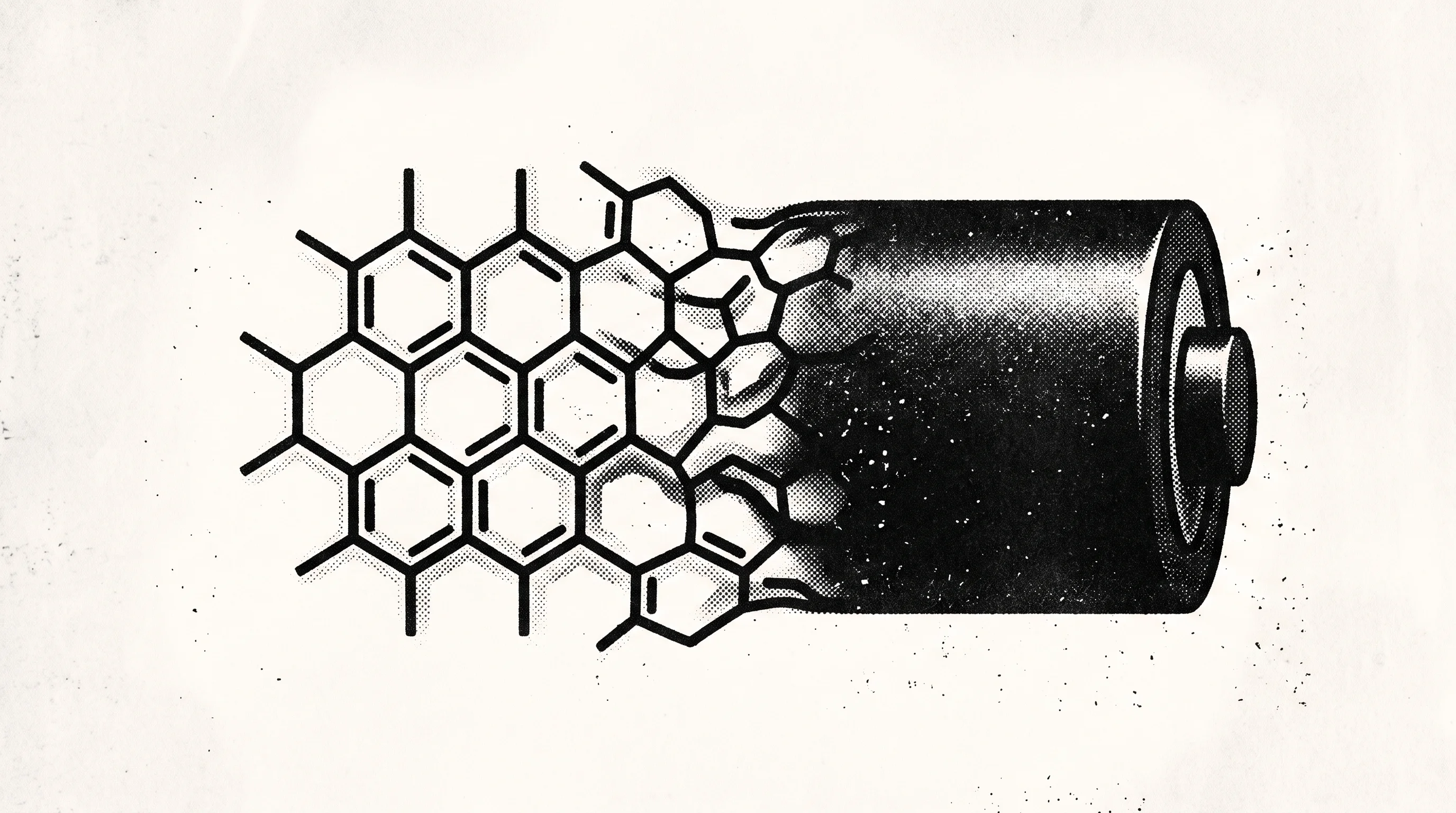
BatX is now pushing toward cathode active materials production—a technically demanding, higher-margin segment that requires precision chemistry and quality control. It's a logical progression if the company can execute, moving from commodity materials recovery into engineered products that command better pricing.
But execution is the operative word. Recycling is capital-intensive, margin-sensitive, and dependent on feedstock availability that, in India, is still more theoretical than actual. The country's EV fleet is growing, but it will be years before end-of-life battery volumes reach the scale needed to support multiple commercial recyclers.
For now, BatX is building capacity ahead of demand—a calculated risk in a market where timing is everything, and being too early can be indistinguishable from being wrong.
The company isn't alone in making that bet. But with Rs 105 crore in fresh capital and a hydrometallurgical facility humming in Uttar Pradesh, it has bought itself time to find out whether India's battery recycling industry materializes on schedule, or whether the infrastructure, like so many ambitious plans, will lag the rhetoric by years.


