Jeff Bezos is back. Sort of.
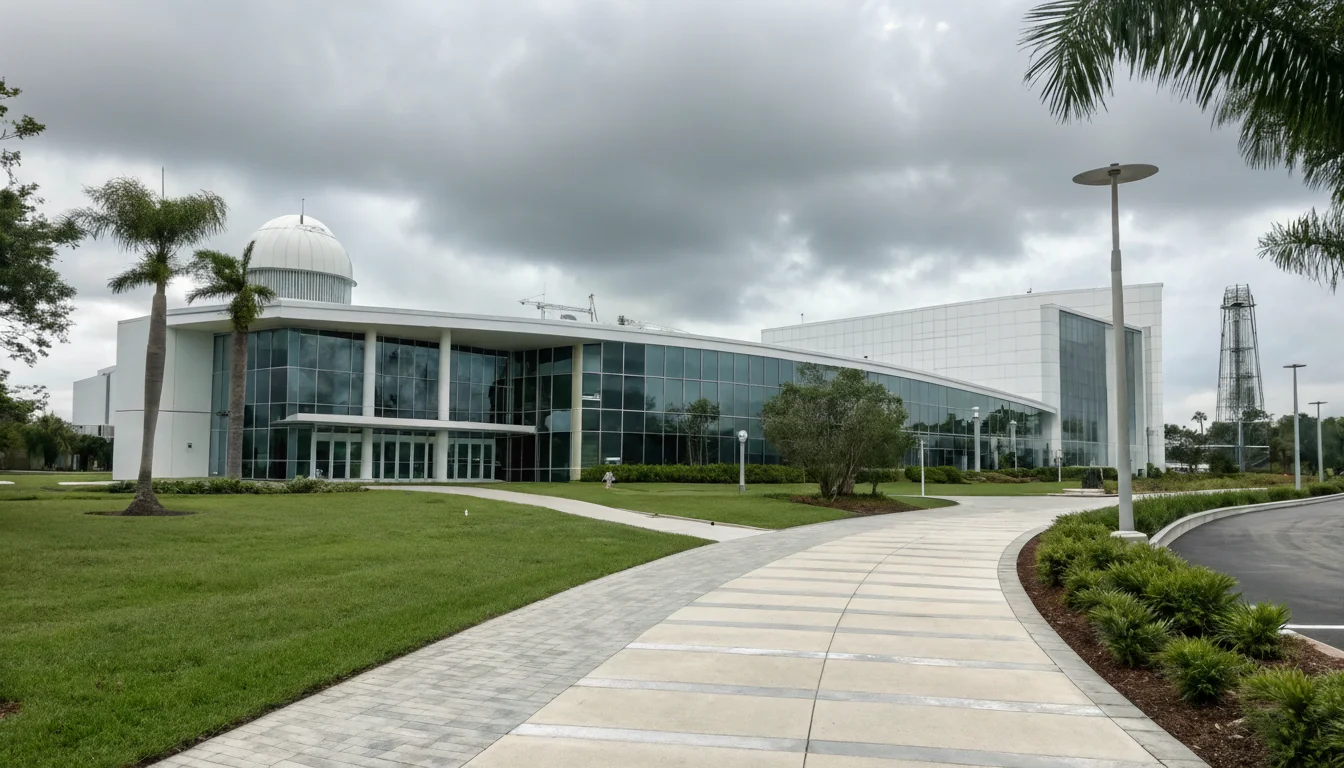
The Amazon founder has assumed a co-CEO role at Project Prometheus, a remarkably well-funded and almost pathologically secretive AI startup targeting manufacturing and aerospace—two industries not typically associated with the chatbot fever that has gripped Silicon Valley. The New York Times first reported the news on November 17, revealing what may be one of the year's most intriguing corporate comebacks.
It's Bezos's first operational leadership position since he stepped down as Amazon's CEO in July 2021, when he shifted to the somewhat ceremonial perch of Executive Chair. That he would choose to return for this particular venture, rather than any number of other opportunities, suggests something about where he believes the next transformational technology will emerge. Not in language models or image generators, but in what Project Prometheus calls "AI for the physical economy."
The startup has already amassed $6.2 billion in funding—a staggering sum for an early-stage company with no public website, no announced products, and, as far as anyone can tell, no customers. At least some of that capital came from Bezos himself, though the company has declined to disclose its complete investor list or explain how the funding rounds were structured. Reuters noted it couldn't independently verify portions of the Times report, and Bezos has remained characteristically silent on the matter.
An Unusual Partnership
Bezos isn't going it alone. He's sharing the CEO title with Vikram Bajaj, a name less familiar to the general public but well-regarded in certain circles of Silicon Valley's biotech and AI worlds. Bajaj co-founded Verily, the life sciences spinout from Google's parent company Alphabet, where he served as Chief Scientific Officer. He held the same title at GRAIL, the ambitious cancer-detection startup. More recently, he was a Managing Director at Foresite Capital, where he also launched Foresite Labs.
It's an unusual pairing—the world's most famous entrepreneur alongside a scientist-turned-investor—but perhaps that's the point. Building AI systems that can engineer physical products, rather than just analyze data or generate text, requires bridging software and the messiness of atoms. The co-CEO structure might reflect a genuine division of labor, though such arrangements have a mixed track record in corporate history.
Stealth Mode, Maximum Resources
What exactly is Project Prometheus building? That's harder to say. The company describes its mission in broad strokes: developing AI systems for engineering and manufacturing across computers, automobiles, and aerospace. It has pulled together a team of roughly 100 employees, many poached from the usual suspects—OpenAI, DeepMind, Meta—according to LinkedIn profiles tracked by various outlets.
The startup maintains offices in San Francisco, London, and Zurich, a geographic spread that suggests either ambitious global plans or a strategic effort to tap different talent pools. But details about its technology, product roadmap, or even basic go-to-market strategy remain frustratingly scarce. No flashy launch event. No TechCrunch Disrupt appearance. Just silence, and a lot of money.
This level of stealth is unusual even by startup standards, though perhaps less so when you consider the competitive dynamics. Manufacturing AI is becoming increasingly crowded, with players ranging from established industrial giants retrofitting legacy systems to nimble startups promising to reinvent factory floors entirely.
Following the Physical AI Thesis
Project Prometheus fits—maybe too neatly—into Bezos's recent investment pattern. The man appears to have developed a thesis around robotics and what venture capitalists now call "physical AI," systems that interact with the material world rather than just digital information.
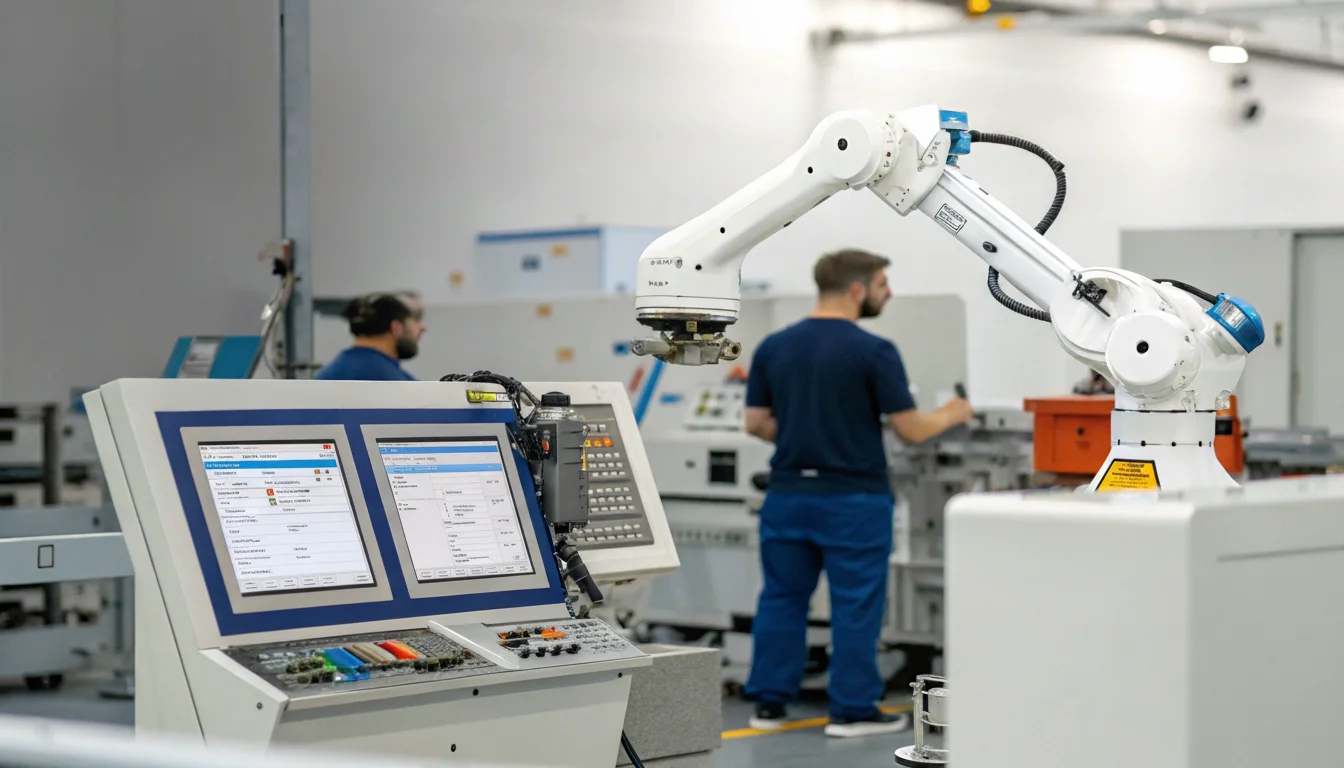
In November 2024, he joined Physical Intelligence's $400 million funding round, a deal that also attracted OpenAI, Thrive Capital, and Lux Capital and valued that company at roughly $2 billion. Earlier that same year, Bezos backed Figure AI, which is building humanoid robots for warehouse and manufacturing applications. Then in October 2025—just last month—he participated in the $300 million seed round for Periodic Labs, a startup focused on materials science and autonomous research.
The thread connecting these bets: all involve AI systems that must grapple with physics, chemistry, and the often-uncooperative nature of physical materials. It's a far cry from the language model wars dominating headlines, and perhaps that's what attracted Bezos. He's never been one to chase the obvious trend.
The Unanswered Questions
Of course, $6.2 billion buys a lot of runway, but it also raises expectations. Project Prometheus has yet to announce partnerships with manufacturers, reveal any revenue model, or even hint at when it might have something to show the world. The company's opacity means we can't yet assess whether its approach differs meaningfully from the dozens of other AI startups promising to revolutionize manufacturing.
The funding itself ranks among the largest early-stage raises in AI history, putting Project Prometheus in rarefied company. But capital alone doesn't guarantee success, particularly in hardware-adjacent businesses where the gap between demo and deployment can stretch for years.
For Bezos, the stakes are more than financial. This marks his return to the operational trenches—the daily grind of building products, managing teams, and making the thousand small decisions that determine whether a company actually ships something useful. He could have remained a hands-off investor, writing checks and attending board meetings. That he chose otherwise suggests he sees something the rest of us can't quite make out yet.
Whether Project Prometheus becomes the next transformational company or an expensive lesson in the challenges of applying AI to the physical world remains to be seen. For now, we're left with fragments: a massive war chest, a cryptic mission statement, and the return of one of tech's most successful founders to day-to-day leadership. The rest, presumably, will reveal itself—eventually.