

The numbers out of China have been stark. April and May saw rare-earth magnet shipments plummet more than 50% after Beijing imposed new licensing requirements. By October, another round of export controls landed. Automakers and their suppliers, already stretched thin, started looking for exits.
Enter Chara Technologies, a Bengaluru outfit that's been quietly building electric motors with no rare-earth magnets at all. On October 13, 2025, the startup closed a ₹52 crore ($6 million) Series A led by Arkam Ventures, with Exfinity Venture Partners, Kalaari Capital, and IIMA Ventures returning to the cap table. The thesis: geopolitical fractures in the supply chain have opened a window for alternatives—if the technology can scale fast enough.
China processes roughly 90% of the world's rare earths, the suite of elements that make the permanent magnets inside most EV motors hum. It's a chokepoint Beijing has steadily tightened through 2025, and one that's given Chara something resembling tailwinds.
The Build-Out
Chara plans to plow the fresh capital into a new manufacturing facility and testing center in Bengaluru, boosting annual capacity from around 20,000 units to 100,000. It's also developing lighter, higher-speed motor variants and targeting industrial applications beyond electric vehicles. The company projects 40,000 motor sales by fiscal year 2027 and expects a 6x jump in revenue between FY25 and FY26—ambitious figures, though investors seem inclined to believe them.
Geography matters here. Chara has already planted flags in Belgium and Italy; the new funding aims to deepen its European presence and crack open North America, where regulatory and supply-chain anxieties around China run particularly high.
What's Under the Hood
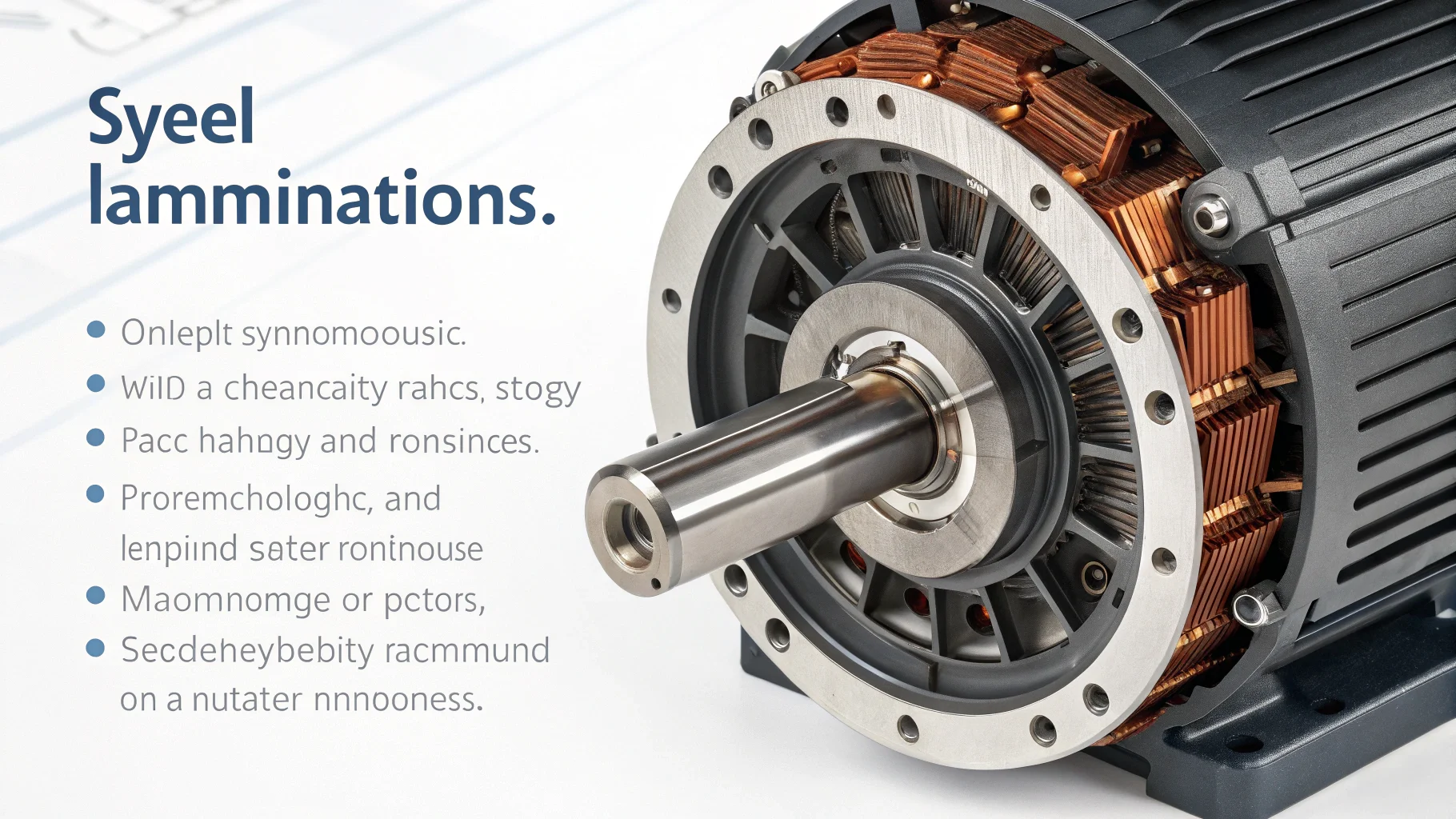
The technical bet is straightforward, if not simple. Chara makes what's called a Synchronous Reluctance Motor, or SynRM—an architecture that swaps out the permanent magnets found in most EV motors for layered steel laminations in the rotor. No neodymium, no dysprosium. No Beijing approval required.
The company claims performance on par with standard permanent magnet synchronous motors (PMSM) at 15 to 20% lower cost. The catch? Weight. SynRM motors run about 10 to 15% heavier, a trade-off that matters less in two-wheelers and light commercial vehicles than it might in, say, a sedan cruising at highway speed.
Chara pairs its motors with proprietary controllers and drive control firmware engineered to ISO 26262 safety standards—a credential that matters when courting automakers skittish about untested suppliers. The startup holds nine filed patents (one granted) and has secured product approvals from ARAI and ICAT, India's vehicle certification authorities. According to company materials, it's the first rare-earth-free motor-and-controller system to clear those hurdles domestically.
Founded in 2019, Chara now counts roughly 100 customers spanning two-wheelers, three-wheelers, light commercial vehicles, and agricultural equipment. The roster includes Greaves Cotton, BullWork, Sonalika, and VST, plus a handful of unnamed European OEMs the company declines to identify publicly. In April 2025, Greaves announced it would manufacture Chara's motors at its Aurangabad facility—a strategic partnership that offers both validation and production scale.
The Rare-Earth Squeeze
India has been scrambling to develop motor alternatives as rare-earth access tightens. Reuters reported in September that the country is testing magnet-free and reduced-magnet motors more aggressively, with Chara among the domestic players seeing demand tick upward. Other efforts are underway: Sterling Gtake partnered with UK-based Advanced Electric Machines; Sona Comstar is pursuing motors that sidestep heavy rare earths.
There's an environmental angle, too, though it gets murkier on closer inspection. Extracting neodymium and related materials generates toxic waste—slag ponds, chemical runoff, the full industrial tableau. Chara's pitch leans hard on both cost savings and sustainability, though quantifying lifecycle emissions across mining, manufacturing, and end-of-life disposal remains a complicated calculus. The company hasn't released a full lifecycle analysis.
Who's Building It

Bhaktha Keshavachar, Chara's founder and CEO, studied at Arizona State and spent years at Intel before co-founding mobile payments company Ezetap, which raised around $50 million before Razorpay acquired it. He's a second-time entrepreneur, in other words, and has some scar tissue from scaling hardware-adjacent businesses.
Ravi Prasad, the chief motor designer, brings four decades of motor engineering experience, including a stretch as head of motor design at Kirloskar. Mahalingam Koushik, the CTO and an IIT-Madras and Rensselaer Polytechnic alum, oversees IP development—a critical role given that patents are one of Chara's few defensible moats in a crowded field.
The startup raised roughly $850,000 in a 2021 seed round led by Kalaari Capital, then closed a $4.75 million pre-Series A in January 2023 led by Exfinity, with participation from Big Capital (the venture arm of Vietnam's Bitexco) and battery materials company Log9.
What's Still Unproven
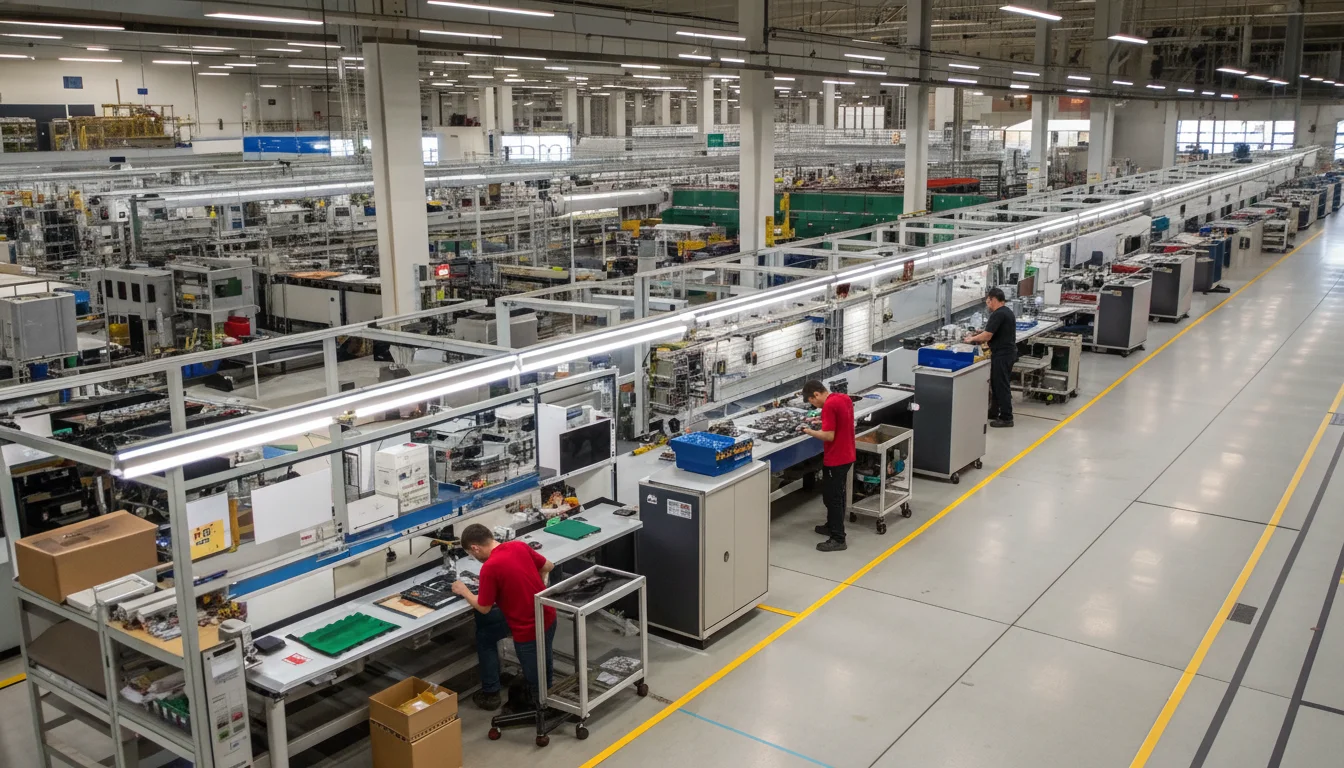
Arkam Ventures managing director Rahul Chandra said in a statement that the new capital will help Chara meet the quality and production demands coming from larger OEMs—a diplomatic way of saying the company needs to prove it can deliver at scale without stumbling.
The bigger question is whether SynRM architecture can graduate beyond niche applications. Two-wheelers, three-wheelers, light commercial vehicles, agricultural equipment—these are segments where a 10 to 15% weight penalty is tolerable, even negligible. Passenger vehicles are a different story. So are heavy-duty trucks. The physics get less forgiving as you move up the weight class.
For now, Chara is sticking to markets where supply chain resilience trumps maximum power density. Whether that constitutes a permanent niche or a launchpad into broader EV categories will depend on how much geopolitical pressure continues to mount—and whether the company can shave weight and boost efficiency in future motor generations.
The bet, essentially, is that China's grip on rare earths will tighten further, costs will keep rising, and automakers will have no choice but to find alternatives. It's a wager that feels less speculative than it might have a few years ago.


