

The storefront in White City opens just three afternoons a week—Tuesdays through Thursdays, by appointment only—which seems an odd retail strategy until you understand what's happening inside. This isn't exactly a tattoo parlor, though that's the closest comparison. And it's not quite a medical clinic, despite the PhD credentials of the people running it.
What CipherX Technologies is attempting might be simpler to describe: convincing people that a permanent tattoo can arrive via a small adhesive patch, no buzzing needle required.
The company, a Royal College of Art spinout incorporated in September 2021, introduced its Microdot Tattoo system to the public this past July during a Shoreditch launch event. The proposition borders on the mundane until you sit with it for a moment—millions want tattoos, plenty can't stand needles. CipherX reports applying over 500 of these microneedle patches to willing customers as of July, each paying £50 for designs no larger than 15 millimeters in diameter.
Apply patch. Wait roughly 15 minutes. Peel away. What remains: permanent black ink deposited into the dermis, no anesthetic necessary.
When PhDs Meet Needle Phobia
Dr. Ferdinand Kohle, the company's CEO, has a Cornell doctorate in materials science focused on clinical nanoparticle technology. He also has, by his own account, a profound aversion to needles and blood. His co-founder and chief technology officer, Dr. Karl-Anton Harms, brings clinical experience in plastic surgery and burns, plus an Imperial College PhD centered on microneedle delivery systems and tissue engineering.
A founder scared of needles building a tattoo company—there's a certain logic to it, perhaps more than Kohle initially expected.
The technology itself leans on biodegradable microneedles fabricated from polyvinyl alcohol, trehalose, cellulose gum, and similar biocompatible materials. Each needle carries carbon black pigment. On contact with skin, they dissolve, depositing ink into the right dermal layer for permanence. "They can penetrate the upper layer of the skin, start to dissolve immediately and then the ink is released," Kohle told Fast Company in an interview around the launch. Early customers reportedly compared the sensation to brushing hair—not painless, exactly, but nowhere near traditional tattooing's intensity.
Each patch arrives gamma-irradiated for sterility and gets applied using CipherX's proprietary applicator tool, which the company claims won a Red Dot 2026 Best of the Best award. The entire setup is single-use, disposed of after one application.
A Tightly Controlled Rollout

For now, customers can't simply order a patch and apply it at home. CipherX insists on handling every application themselves—either at their White City flagship or at periodic pop-up events around London. It's a distribution model that looks far more like a medical procedure than a typical consumer product launch, and it raises questions about scalability.
Designs remain limited: roughly a dozen options, all black ink, all fitting within that thumbnail-sized diameter. Stars, hearts, geometric lines, sparkles. Nothing elaborate. Additional colors are under development, the company says, though no timeline has been shared publicly. Aftercare is minimal—petroleum jelly, avoid soaking the area for two days, stay out of direct sun for 24 to 48 hours. The tattoo darkens during that initial period.
The company incorporated in September 2021 and has built out a pilot manufacturing facility inside the Scale Space Building in White City, complete with a cleanroom environment that meets ISO Class 7 standards for biopolymer microneedle production. Companies House records show three separate capital allotments this year, though neither funding amounts nor investor names have been disclosed. CB Insights lists CipherX as having closed a seed venture round, but details remain private. The company has also secured Innovate UK grants, according to launch materials, though specific grant information isn't readily available in public databases.
Patent Protection and Regulatory Gray Zones
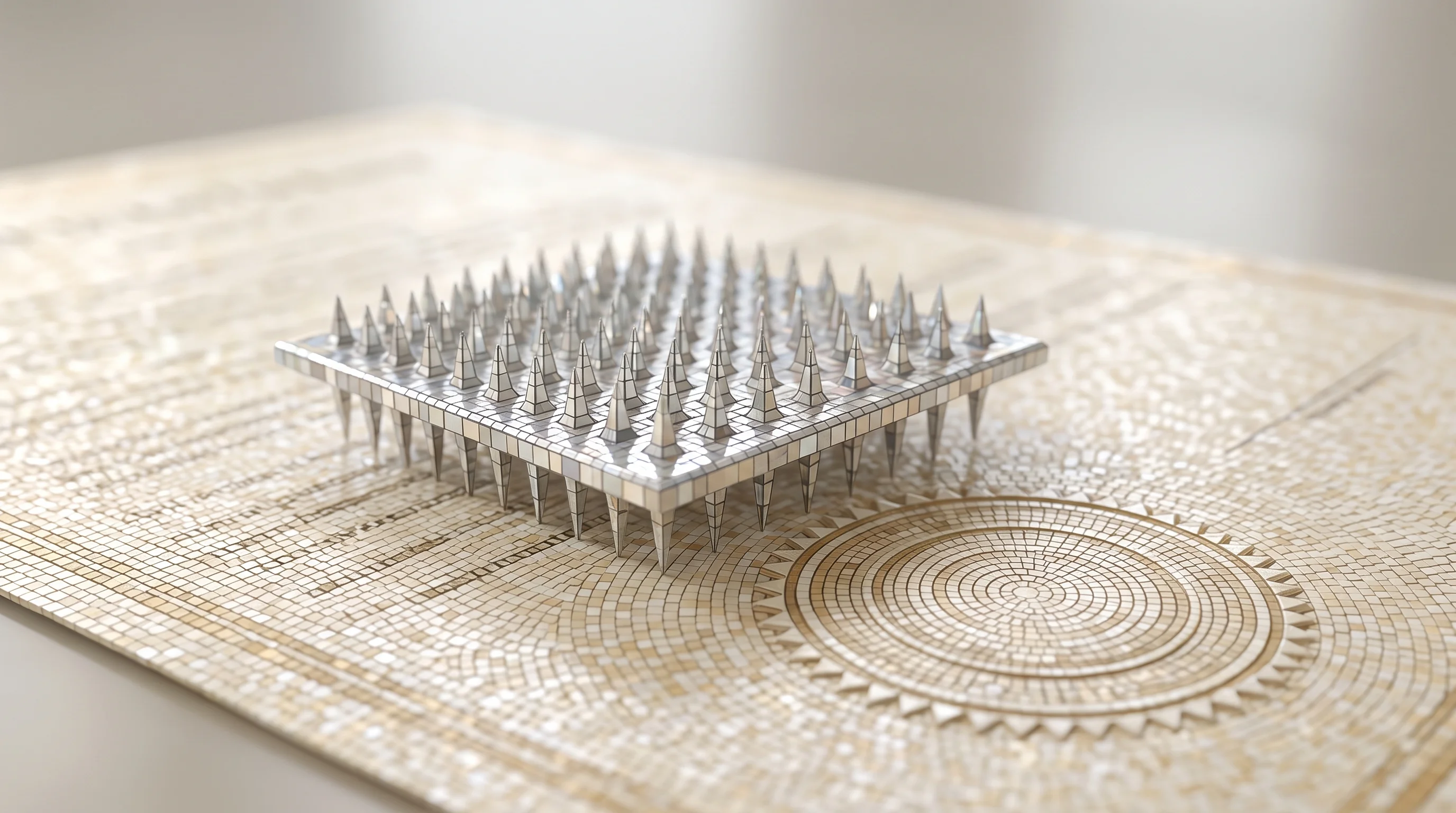
CipherX holds a granted UK patent covering its microneedle array production method, published on October 4, 2023, and originally filed by the Royal College of Art before transferring to the company. Related applications are pending in the United States, Europe, South Korea, and Australia—a fairly standard international filing strategy for a hardware-heavy biotech play.
Regulation presents an interesting wrinkle. Tattooing in the UK falls under local council jurisdiction rather than national health authorities, leaving enforcement fragmented. CipherX runs applications exclusively at company-controlled venues with trained staff, mandatory waivers, and an 18-and-over age gate. The patches are prohibited on certain body parts: head, face, neck, hands, wrists, genitalia. The company's privacy policy reveals extensive traceability protocols—each application generates a data trail including QR codes, design selection, patch and applicator serial numbers, body site, date, and the staff member who performed the procedure. All logged for quality control and, one assumes, liability protection if safety issues emerge.
It's the kind of operational caution you'd expect from founders with clinical backgrounds, and it suggests they're acutely aware they're walking a line between cosmetic product and medical device.
The Market Question
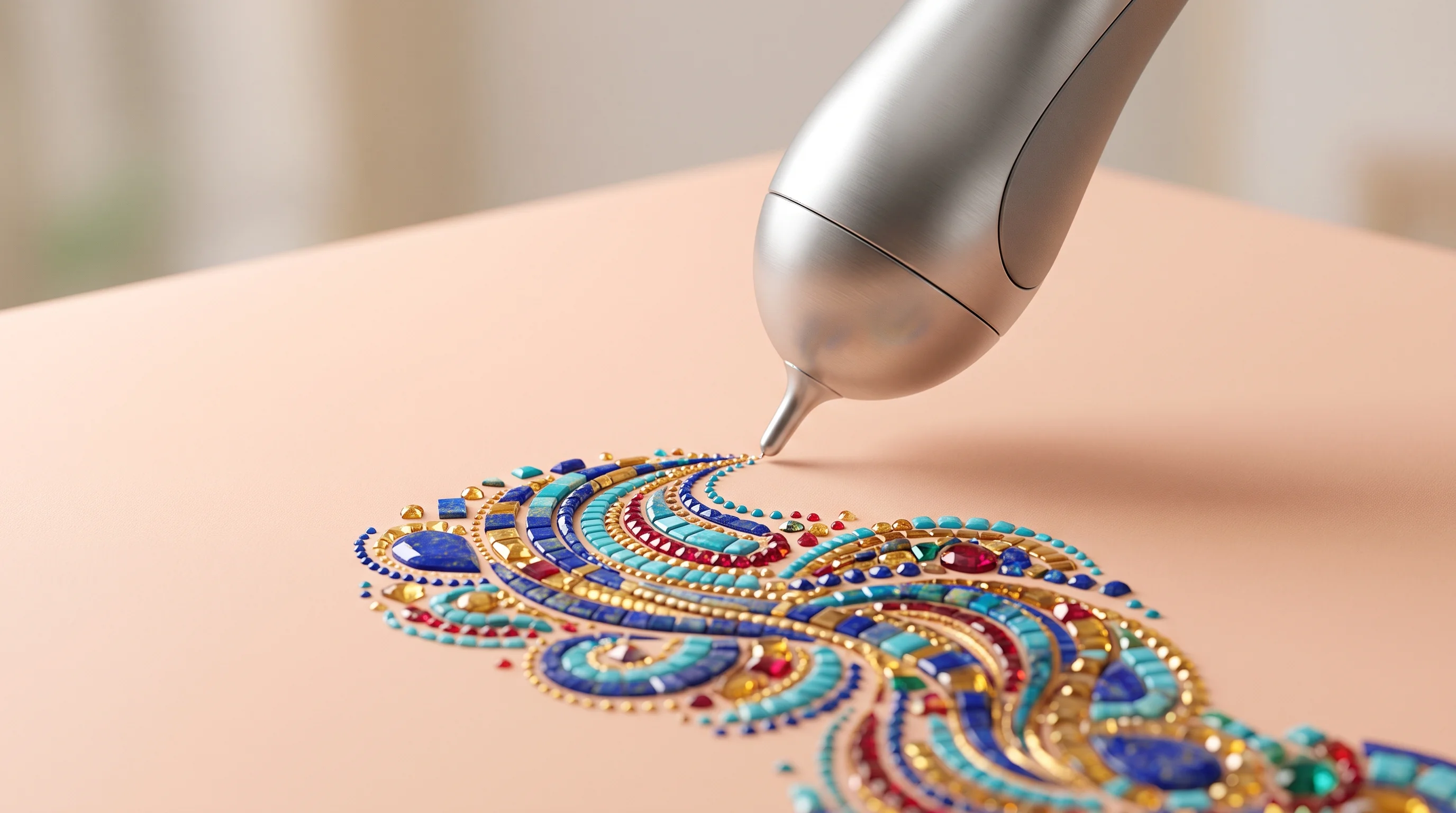
Whether a meaningful business exists in needle-free tattoos remains unclear. The target demographic is specific: people who've wanted permanent ink but couldn't overcome anxiety around traditional application. That's not an insignificant population—needle phobia is well-documented, and the tattoo industry has grown steadily for years, with estimates suggesting nearly a third of adults in the UK have at least one.
But CipherX isn't just competing with traditional tattoo parlors. Temporary tattoos, henna, cosmetic makeup—all offer commitment-free alternatives. The value proposition here hinges on permanence without pain, a combination that may or may not resonate widely enough to justify the infrastructure the company has built: cleanrooms, international patent filings, PhD founders, controlled retail distribution.
The three-day-a-week storefront feels almost like a clinical trial disguised as commerce. Every customer becomes a data point, every application a test case. It's methodical, careful, and—frankly—slow. Whether CipherX can maintain that control as it scales, or whether scaling even makes sense under this model, will determine if microneedle tattoos become a footnote in biotech experimentation or something larger.
For now, the company seems content to keep things small, local, and fastidiously managed. The real test comes if and when they attempt to move beyond scheduled London appointments and a dozen minimalist designs. Until then, it's a £50 patch, 15 minutes, and a permanent mark—assuming you can get an appointment.


