

The breach was only four months ago. Seventy thousand government IDs, stolen through a compromised vendor Discord had trusted with age-verification appeals. The kind of security failure that would make anyone nervous about handing over facial scans or driver's licenses to a social platform.
Which makes Discord's February 9 announcement—requiring its 200 million users to either prove their age or accept sweeping restrictions—land with a particular irony. Starting next month, adults who want the full Discord experience must submit to facial age estimation or upload government identification. Otherwise, the platform defaults everyone to "teen-appropriate" guardrails: blurred images, locked servers, neutered direct messages.
The company insists it's learned its lessons. That this time, the verification partners are trustworthy. That most of the ID scanning happens on-device, ephemeral, gone in seconds.
Maybe. But the timing invites questions Discord can't easily dismiss.
The Algorithm Will See You Now
Discord's phased global rollout begins in early March, building on tests run throughout 2025 in the UK and Australia. The mechanics work like this: Every account defaults to teen mode until Discord confirms you're 18 or older. Sensitive content gets auto-blurred. Age-restricted servers disappear behind warning screens. DMs from strangers route to a separate requests folder. Stage channel speaking privileges? Gone.
For adults unwilling to accept these limitations, Discord offers three paths. The first is invisible. The platform has deployed what it calls an age prediction model—analyzing behavioral patterns like account tenure and device activity—that attempts to sort adults from minors without explicit verification. Message content, Discord says, stays off limits.
Savannah Badalich, Discord's head of product policy, clarified in a February 10 statement to The Verge that "the vast majority" of users should sail through this background check unnoticed. The algorithm does the work. No selfies required.
But for those the system can't confidently classify? Or anyone flagged as potentially underage trying to access adult-only features? That's when Discord demands proof.
Scan Your Face or Show Your ID
Option two involves facial age estimation: a brief video selfie that processes entirely on your device. Discord's partner k-ID uses technology from Privately to generate an age estimate without, the company promises, ever transmitting the actual scan. The video never leaves your phone.
Or there's option three. Upload your government ID. Discord's verification partners—the company has named k-ID, with screenshots showing Veratad in some regions and Persona in UK experiments—extract your birthdate, then supposedly delete the image. "Quickly," Discord says. "In most cases immediately."
Some users may face multiple verification rounds if the system needs additional confidence. What triggers these cascading checks? Discord hasn't said.
A Company Asking for Trust It Recently Lost
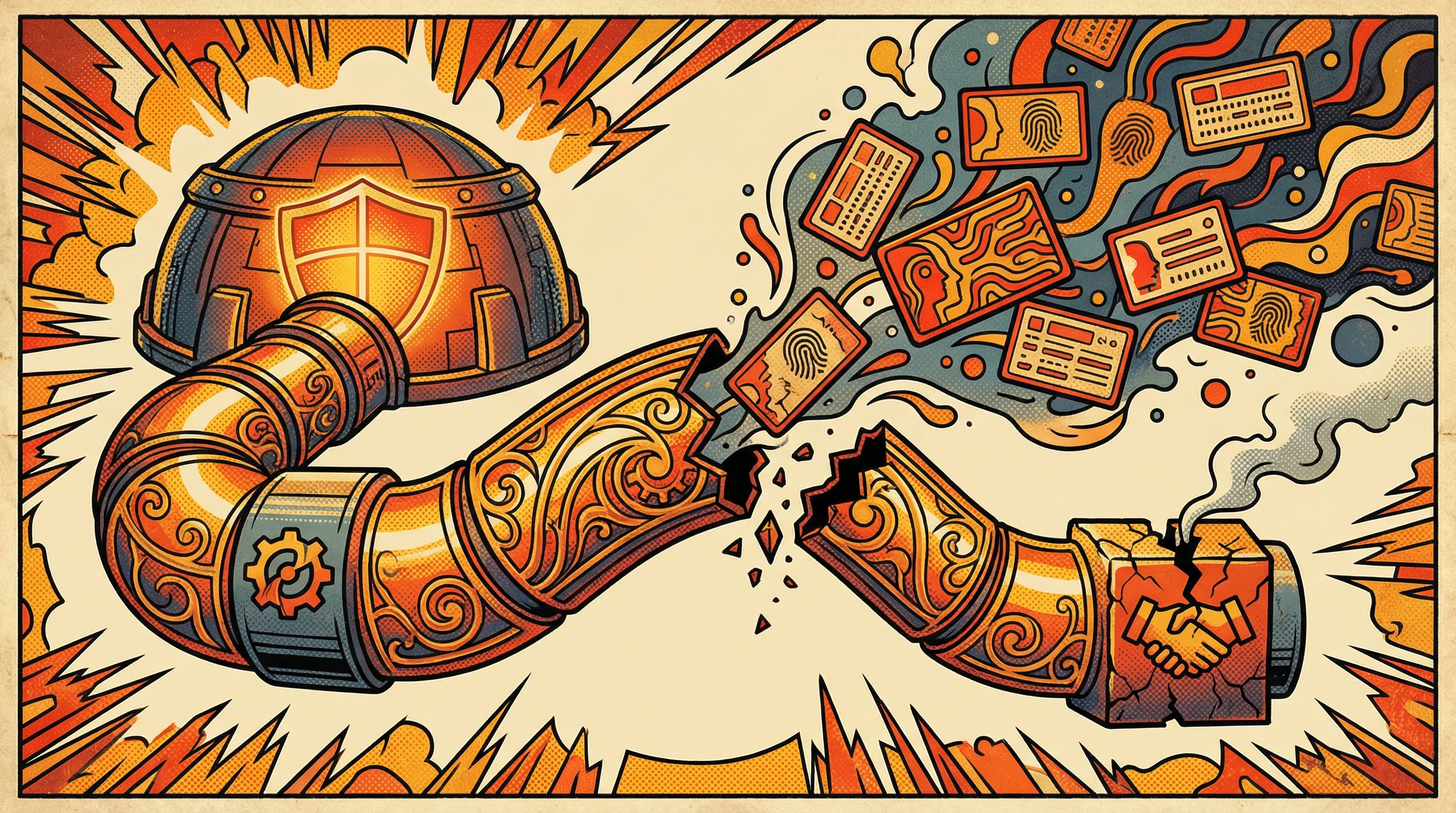
The October 2025 breach haunts these assurances. Approximately 70,000 users saw their sensitive data—government ID photos included—exposed through a compromised third-party customer service provider handling age appeals. Discord severed ties with that vendor almost immediately.
k-ID, now a primary verification partner, publicly stated it wasn't involved in the breach and doesn't store IDs at all. A reassuring claim, if you're inclined to take it at face value after watching different vendors fumble the same responsibility months earlier.
The announcement ignited immediate backlash. Hacker News users drove the story to 2,013 upvotes with 1,974 comments as of February 11, generating fierce debate over vendor risks and data handling practices. TechRadar reported users describing themselves as "furious," with some actively hunting for alternative platforms.
The Electronic Frontier Foundation—which has long warned against age-verification mandates—pointed to Discord's recent breach as a textbook example of why uploading IDs or biometrics to third parties creates systemic privacy and security risks.
Discord is attempting to thread a difficult needle. The company says verification status remains private to individual users. It warns that age assurance prompts only appear inside the official app, meant to prevent phishing attempts. More verification options are coming, eventually. And there's a new Teen Council—10 to 12 U.S.-based adolescents aged 13 to 17—that will advise on safety features, applications open through May 1.
Whether these measures rebuild trust or simply provide regulatory cover remains an open question.
Caught in a Regulatory Undertow
Discord didn't wake up one morning and decide to verify everyone's age for fun. The UK's Online Safety Act forced the issue in 2025, requiring age verification for British users accessing certain content. Australia followed with its own teen-by-default requirements starting December 9, 2025.
As U.S. state-level age verification laws continue proliferating, Discord appears to be getting ahead of a compliance nightmare—implementing a unified global approach rather than managing a patchwork of regional requirements. Messy, yes. But perhaps less messy than the alternative.
The company has plenty of company in this uncomfortable space, though that doesn't make the medicine go down easier. Roblox began requiring facial age checks globally between December 2025 and January 2026 to access chat features, processed by Persona with promises of rapid deletion. YouTube rolled out AI age-estimation in the U.S. in mid-2025, flagging potential teens and requiring ID, credit card, or selfie verification for adult content access. Instagram partnered with Yoti for facial age estimation starting in 2022. TikTok uses what it calls "signals-based age detection" for age-appropriate experiences.
What makes Discord's situation particularly fraught—the October breach still fresh, the platform's reputation as a privacy-conscious alternative to corporate social media now tarnished—is that the company is rolling this out to 200 million monthly actives while trust is at a low point.
And users are already probing for cracks. During UK testing, some exploited Death Stranding's photo mode to bypass age checks. Discord patched the loophole within a week, but the cat-and-mouse game has clearly begun.
The Practical Reality
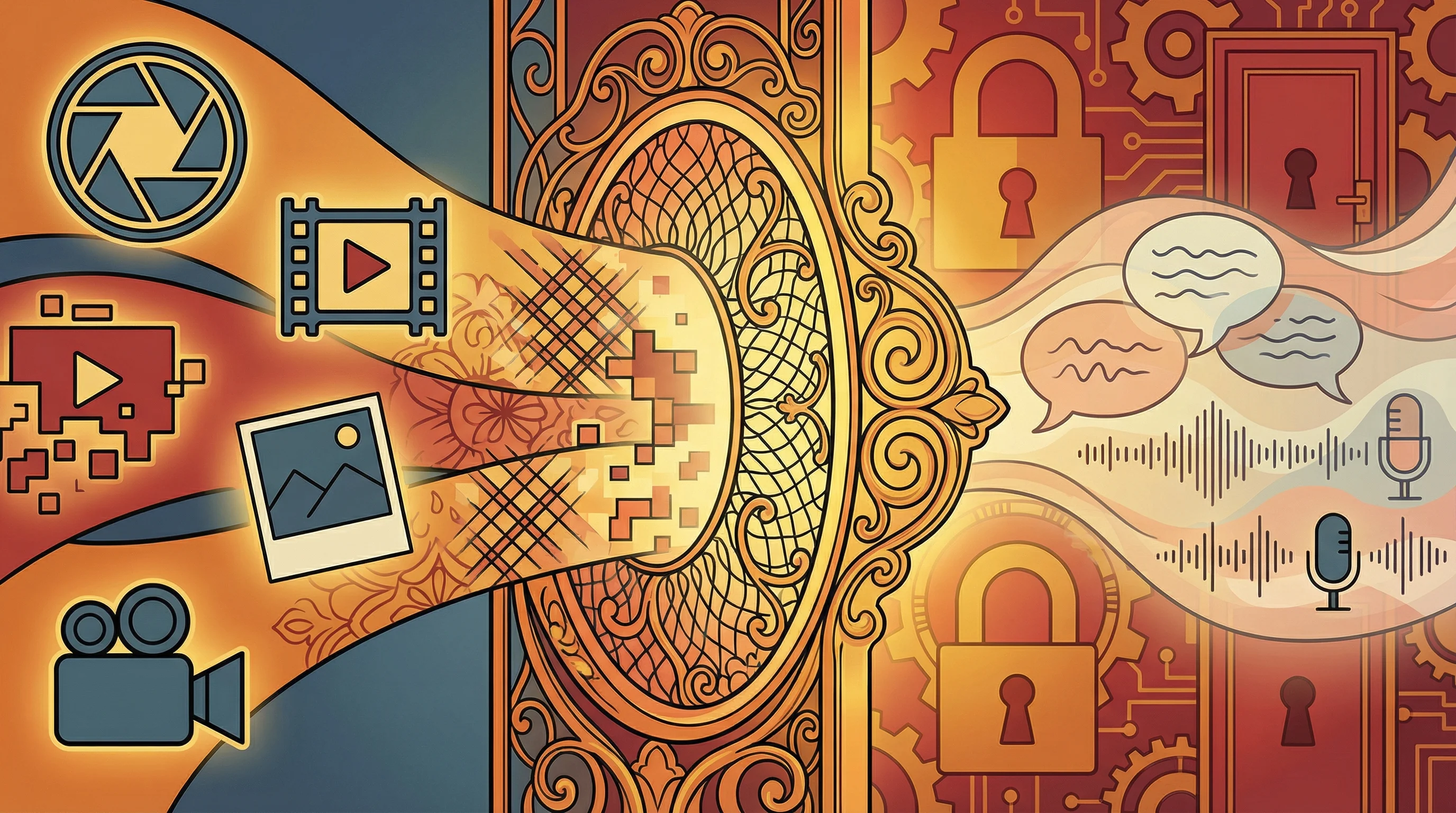
For teenagers under 18, the experience changes substantially. Content filters will scan images and videos for mature sexual and graphic media, though Discord emphasizes these filters ignore text, voice calls, and video calls. Age-restricted channels and servers become inaccessible. Certain app commands get blocked. Stage channel participation faces restrictions.
Adults who want to adjust these protective defaults—unblurring sensitive content, disabling Message Requests—must pass age assurance first.
Users verified as under the minimum age for their country face account bans, with appeals requiring ID verification. After successful verification, users receive system messages and a DM from Discord's official account, with their age group visible in User Settings under My Account.
The mechanics sound straightforward. The privacy implications less so.
What Discord Isn't Saying

The company hasn't fully disclosed its exact vendor roster beyond k-ID for the global rollout. Screenshots have shown Veratad in some regions, and UK experiments may use Persona with up to seven days of temporary storage—a detail that contradicts the "immediate deletion" messaging elsewhere.
Discord hasn't revealed its prediction model's accuracy rates. False positive and false negative thresholds? Undisclosed. How often explicit verification checks actually trigger globally? Unknown.
Data retention practices around verification outcomes and audit trails across multiple vendors and geographies remain opaque. Does Discord keep a record of who passed verification and when? For how long? Under what circumstances might that data be shared?
These aren't academic questions. They're the foundation of whether Discord's assurances hold up under scrutiny.
A Bet on Invisible Compliance
Discord's wager is straightforward: Most users will glide through the background checks unnoticed, never confronting a verification prompt. Parents gain peace of mind. Regulators gain compliance. The platform avoids becoming the next cautionary tale in legislative hearings about protecting minors online.
The counterbet from privacy advocates and a vocal segment of Discord's user base runs differently. This is surveillance infrastructure dressed up as child safety, they argue. Built atop vendors who've already proven fallible. Creating honeypots of biometric data and government IDs that will inevitably leak, get subpoenaed, or end up in the hands of actors Discord never intended.
Both things can be true. Discord may genuinely want to protect minors while also reluctantly building the architecture of age verification because regulators are demanding it. The October breach may have been a legitimate wake-up call that prompted better vendor vetting. And it may still not be enough.
The phased rollout begins next month, whether users are ready or not. By then, Discord will have its answer—in retention numbers, regulatory wins, and whether the verification infrastructure holds up better than it did four months ago.
The platform is betting most people won't leave. That the friction of switching to Matrix or Revolt or somewhere else outweighs the discomfort of a facial scan or an ID upload. That's probably a safe bet.
But safe bets have a way of looking less safe when the next breach happens.


