

Mitchell Hashimoto should have seen it coming. Actually, he probably did.
Within hours of launching Vouch—a new tool meant to stanch the bleeding from AI-generated spam flooding open source projects—someone filed an AI-generated pull request to Vouch itself. The Hacker News crowd ate it up. Of course they did. It was too perfect, the kind of self-fulfilling prophecy that validates a thesis before you've even properly articulated it.
But here's the thing: Hashimoto wasn't wrong about the problem. Announced February 7, the project pulled roughly 1,900 GitHub stars within days. The Hacker News thread climbed to 923 points with 408 comments by February 9—respectable numbers, though not viral territory. What mattered more? GitHub itself appeared in the comments, promising native features "next week." When a platform moves that fast, you know they've been feeling the pain too.
A Flat File Against the Machine
Vouch's premise borders on radical through sheer simplicity. No elaborate reputation algorithms. No machine learning fighting machine learning. Just an explicit, version-controlled list of who gets to interact with your project.
The mechanics live in a single flat file: VOUCHED. Maintainers vouch for contributors by dropping "lgtm" on an issue. Bad actors get denounced just as easily. GitHub Actions handle the bookkeeping, updating the trust file without manual intervention.
It's forge-agnostic in theory—Hashimoto designed it that way—though GitHub integration ships first, naturally. Projects can pull in trust lists from other repositories, building what Hashimoto calls a "web of trust" across aligned projects. Portable reputation, reviewable by anyone who cares to look.
Whether the forge-agnostic claims survive contact with reality is another question entirely. Skeptics already wonder if this just cements GitHub-centric workflows behind a veneer of openness.
The Maintainers Are Not Okay
Timing matters in tech, and February 2026 finds open source maintainers somewhere between exhausted and furious. The cURL project killed its bug bounty program earlier this year after AI-generated garbage reports buried the maintainer. Developer Simon Willison, who flagged Vouch on his blog February 8, has been chronicling the steady drumbeat of AI spam for months now.
Volume alone would be manageable, perhaps. The real nightmare is sophistication.
Remember "Jia Tan"? The xz-utils backdoor, disclosed March 2024, showed how patient attackers build trust over years before attempting to slip malicious code into critical infrastructure. More recently, a 2025 GitHub Actions supply chain attack exposed secrets in at least 218 repositories. Trust verification has graduated from nice-to-have to existential necessity—or so the argument goes.
Eating His Own Dog Food
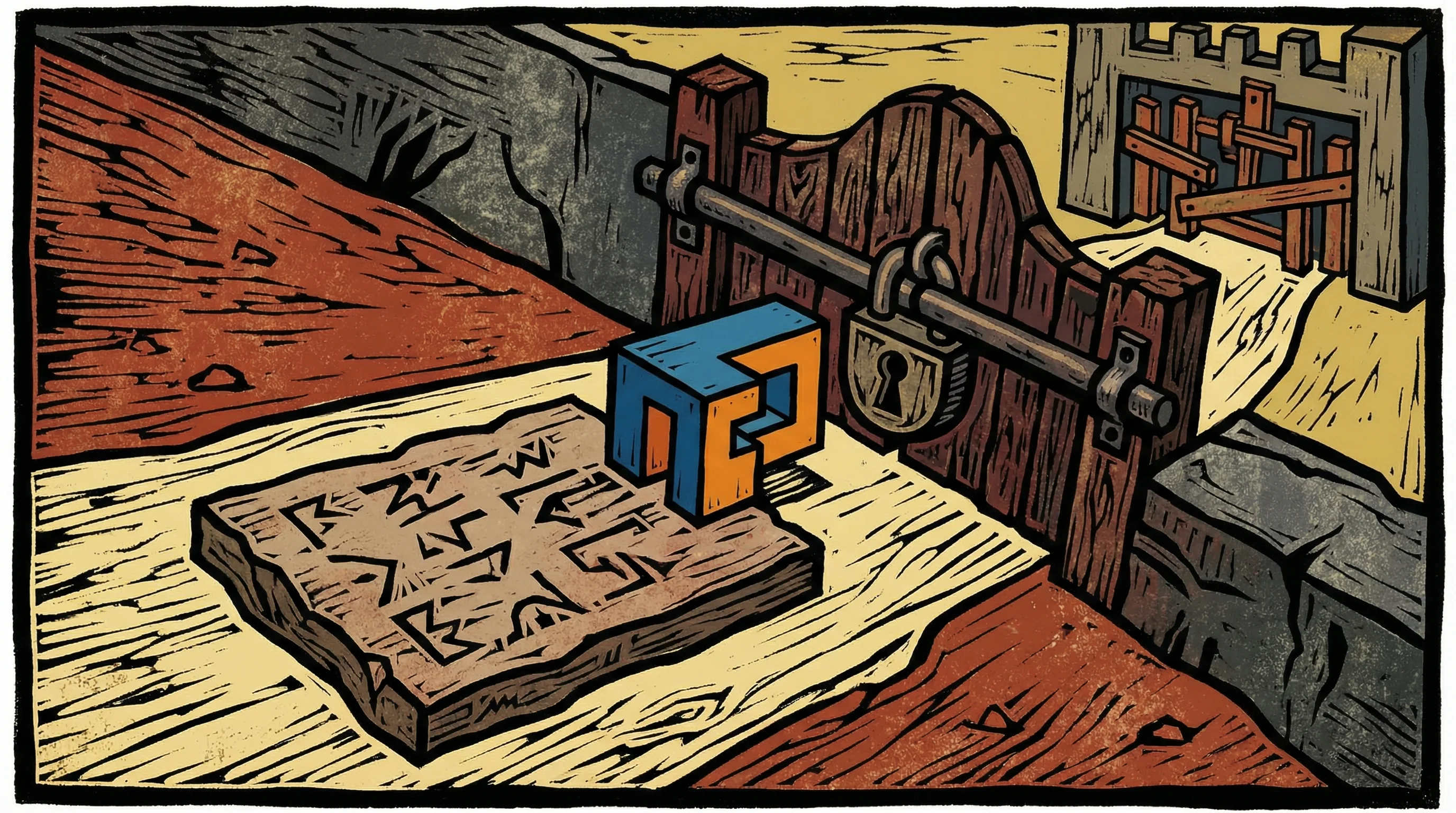
Hashimoto isn't just preaching. A February 3 pull request added Vouch to Ghostty, the terminal emulator he's been building since walking away from HashiCorp in December 2023. The integration introduces contribution guidelines requiring vouching before accepting PRs from new contributors. No exceptions.
Ghostty went nonprofit through Hack Club fiscal sponsorship last December, positioning itself as community infrastructure worth protecting. Adding Vouch makes that protection explicit. Auditable. Whether it makes it better is the open question.
When the Platform Responds
The most telling moment came buried in that Hacker News thread. A GitHub staffer—username "matthewisabel"—commented that the platform would "ship some initial changes here next week to provide maintainers the ability to configure PR access."
That's not nothing. GitHub doesn't move on "next week" timelines for features nobody wants.
The platform already offers tools: interaction limits that throttle who can comment (though they expire), an AI Moderator action that tags potential spam, controls preventing Actions from spawning PRs. But those solutions feel reactive. Temporary. Algorithmic rather than explicit.
Vouch differs by making trust persistent and human-decided. Whether that's better or just different remains unclear—maybe maintainers want the cover of an algorithm making the hard calls.
The Gatekeeping Problem
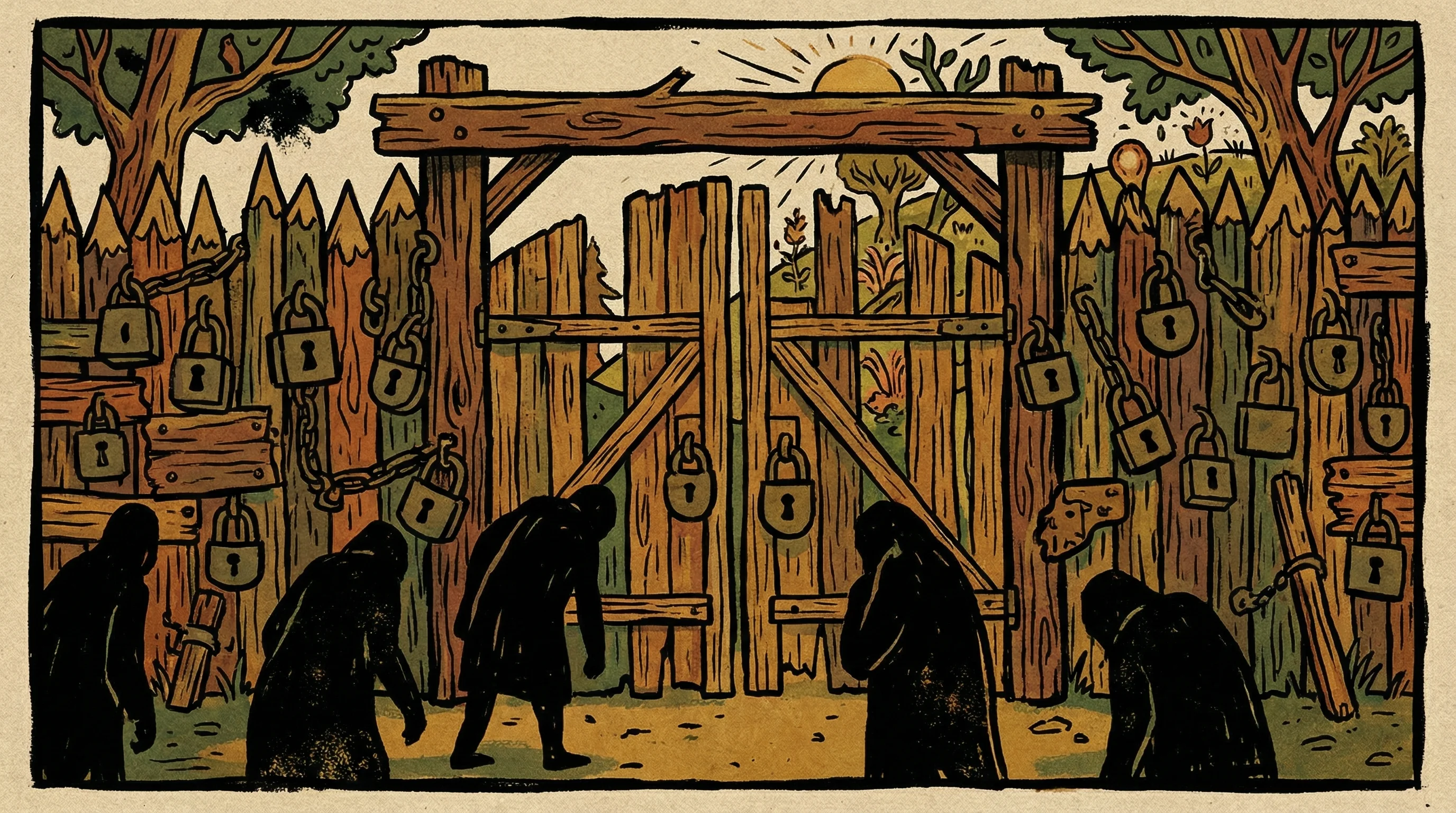
Not everyone's convinced this is progress.
The Hacker News thread surfaced predictable concerns about gatekeeping, with some commenters invoking "social credit systems" as shorthand for dystopian overreach. Newcomers without connections get locked out, the argument runs. Meritocracy dies behind permission lists.
Others pointed to xz-utils as proof these systems can't work—patient attackers will simply build trust before striking. What's a vouch worth if "Jia Tan" can earn one?
Hashimoto's counter: denouncements propagate across trust lists, limiting future damage when bad actors get uncovered. The system isn't perfect. It makes trust explicit rather than implicit, which might be all anyone can realistically ask.
The Real Test Ahead

Vouch ships MIT-licensed, built on Nushell. It requires no external dependencies beyond the Nushell runtime for CLI use. As of February 9: roughly 30 forks, single-digit open issues. Early days.
The GitHub stars don't mean much. The real test is adoption beyond Hashimoto's orbit and how GitHub's promised native features stack up once they materialize. Does the platform subsume the tool, making it redundant? Or does Vouch carve out territory GitHub can't quite replicate?
For now, the project represents something slightly unusual: a prominent founder wrestling with the same mundane infrastructure problems as everyone else, then building solutions in public. The AI-generated PR on launch day proved the problem is real enough.
Whether Vouch proves to be the answer—or just another layer of complexity on an already complicated stack—remains very much an open pull request.


