

The friction point is familiar to anyone who's tried to spend cryptocurrency at a grocery store: converting digital coins to actual money you can swipe. Kulipa, a Paris-based fintech, thinks it has a workaround—cards that spend stablecoin balances directly, no conversion needed.
Founded in 2023, the company just closed a $6.2 million seed round to prove the model works beyond Europe. Co-led by Flourish Ventures and 1kx, with backing from White Star Capital and Fabric Ventures, the funding will bankroll expansion into the United States, Africa, and Latin America. Kulipa announced the deal April 1, 2026, though the round actually closed in December 2025.
Since launching its platform in February 2025, Kulipa has issued more than 120,000 cards. Not a trivial number for an infrastructure play barely a year old. But whether that momentum translates across three continents—each with its own regulatory thickets and banking partnerships—is the question this seed round needs to answer.
The Pitch: No Off-Ramps, Just Spend
Kulipa's infrastructure lets fintechs, wallets, and digital platforms issue white-label debit and prepaid cards that pull directly from stablecoin holdings. The company handles the unglamorous essentials: card operations, KYC and AML compliance, fraud detection, settlement. It's the connective tissue between crypto balances and the 150 million merchants that accept Visa and Mastercard.
"Stablecoins have proven their value as a settlement layer, but using them in everyday financial products is still early," CEO Axel Cateland told Finextra in April. Perhaps more accurately: still clunky. Most users converting crypto to cash encounter multiple steps, fees, and delays. Kulipa's bet is that eliminating those friction points—what the company calls "no top-ups, no off-ramps"—creates enough value to build a business on.
The company is listed in Mastercard's Engage Partner Directory among crypto-enabled card providers, a stamp of legitimacy in an industry where regulatory blessing matters as much as technical execution.
Customers Signed, But Scale Uncertain
Kulipa counts 20 clients as of this spring, including some recognizable names in crypto infrastructure. Flutterwave, the African payments giant, uses the platform. So does nSave, a savings-focused fintech, along with Solana wallet Solflare and Ready, the app formerly known as Argent. Ready features Kulipa prominently in a case study on its website, highlighting the Mastercard integration.
The company reports 70% month-over-month growth in transaction volume. What that means in absolute dollars, though, Kulipa won't say—a common omission among startups that prefer trajectory over transparency.
This latest seed brings total funding to $9.2 million, following a $3 million pre-seed round in July 2024, also backed by Fabric Ventures and White Star Capital. The December SAFE didn't disclose a valuation, so gauging investor conviction beyond the check size is difficult.
Geography: Where the Real Work Begins
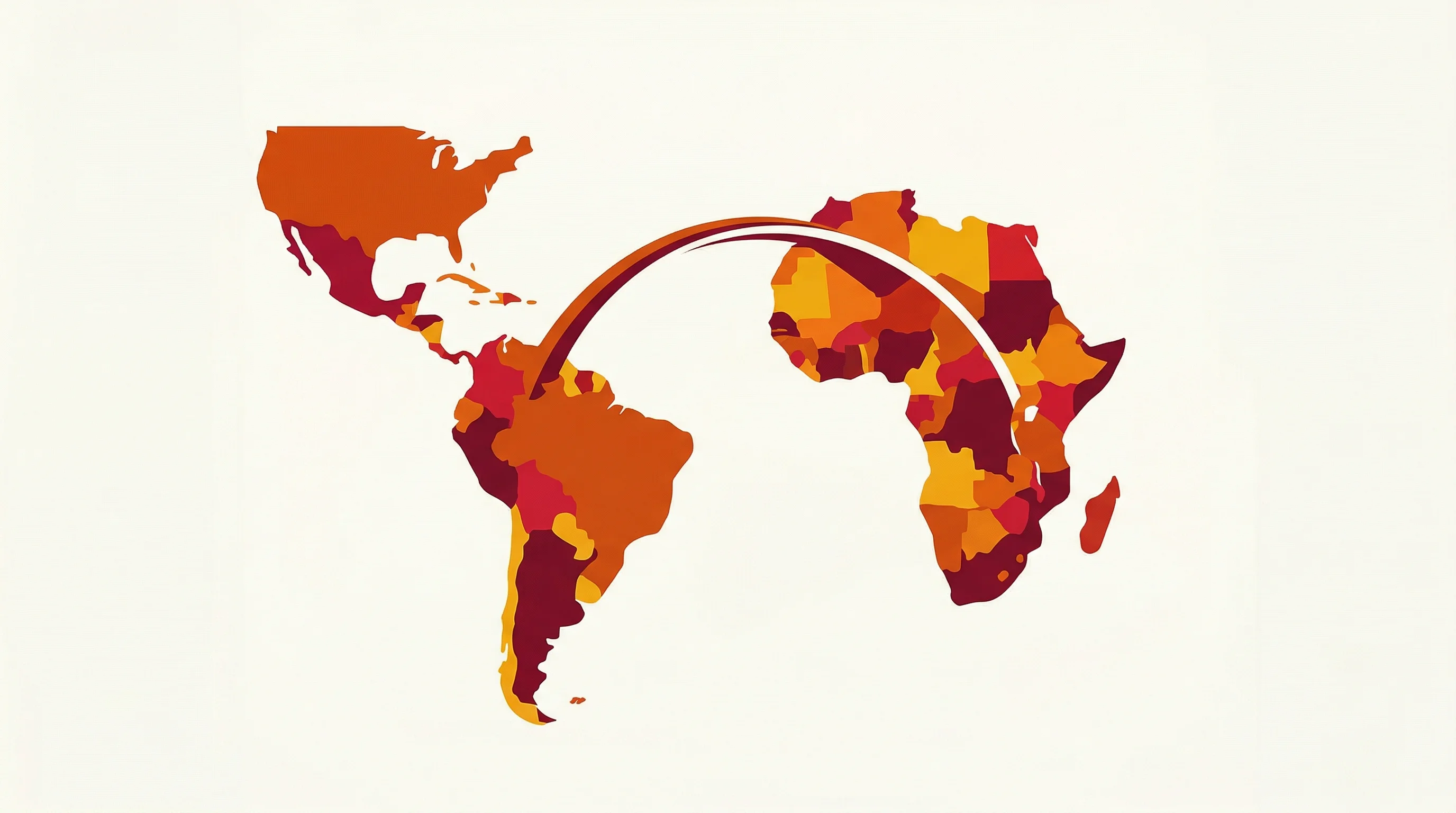
Kulipa currently operates what it calls "local-first issuing" in the EU, Argentina, and Nigeria. The new capital will fund deeper penetration into Latin America using the company's own licenses, and broader African coverage through partnerships—a dual strategy that suggests varying levels of regulatory confidence across markets.
Then there's the U.S., the notoriously difficult market for crypto-adjacent financial products. Kulipa is pursuing its own BIN sponsorship rather than relying on third-party arrangements, according to reporting from The Block. The company won't name its prospective sponsor, citing confidentiality. That direct control matters: owning your BIN sponsorship gives you latitude over card programs that intermediaries rarely afford.
But securing that sponsorship is no small feat, especially for a foreign company barely three years old.
The Team Behind It

Founders Axel Cateland and Michael Shynar bring relevant pedigrees. Cateland previously led global Apple Pay and Google Pay deployments at Mastercard—useful experience when you're trying to convince card networks and banks to trust your infrastructure. Shynar held technical roles at Google and WhatsApp, according to investor materials.
The company employs around 20 people, with plans to grow to roughly 30. The hiring focus is predictable: go-to-market and customer success, the functions you need when infrastructure sells itself less readily than founders hope.
Kulipa operates as Kulipa SAS, registered in Paris with Cateland listed as CEO signatory.
What Comes Next
The fundraising narrative is tidy: stablecoins need spending rails, wallets want simpler infrastructure, Kulipa builds the bridge. Whether demand materializes at the scale venture investors expect is less certain.
For digital wallet providers and fintech platforms, the value proposition is clear enough. Becoming a Visa or Mastercard principal member is expensive and operationally complex. Kulipa removes those barriers while letting users spend crypto balances at mainstream merchants.
But three-continent expansion on a $6.2 million seed is ambitious. The company needs partnerships to hold, regulators to cooperate, and enough customers to justify the infrastructure buildout before the next fundraising cycle. In fintech, timing matters almost as much as technology. Kulipa is betting the stablecoin moment has arrived.


