

MAX, the Lagos-based electric-mobility company ferrying commercial drivers across West Africa, has quietly crossed a milestone that many thought would take years longer to reach. The startup turned profitable in Nigeria this past January—just as it secured the final piece of a $29 million Series B3 extension with an undisclosed investment from Nithio, a climate-focused financier.
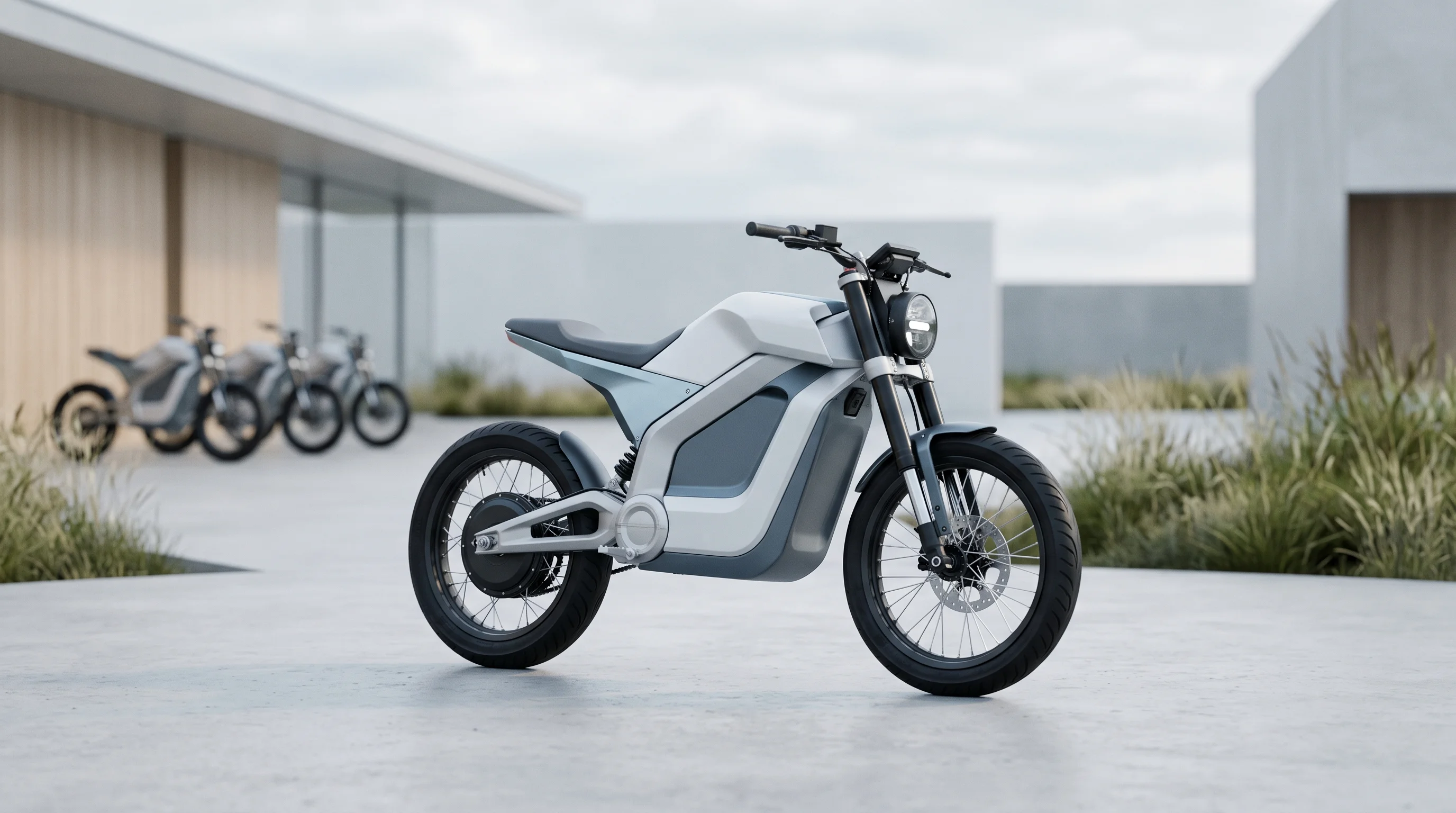
The Nithio commitment, disclosed Saturday in a company press release, caps a fundraising stretch that began last January with $24 million in combined equity and debt from Equitane DMCC, Novastar Ventures, Triple Jump, Endeavor Catalyst and the Energy Entrepreneurs Growth Fund. MAX plans to funnel the capital into deploying more electric two-wheelers from manufacturing partners Spiro and NOVR, while expanding its solar-powered battery-swapping infrastructure across the region.
It's an ambitious scaling plan for a sector that has long struggled with unit economics. But MAX's founders—Adetayo Bamiduro and Chinedu Azodoh, both MIT Sloan alumni—insist the math now works. "Profitability in Nigeria proves that electric mobility in Africa is not a future concept," Bamiduro said in the January announcement.
The company's model hinges on a subscription service it markets to commercial drivers as "MAX Champions." There's no upfront payment. Instead, drivers pay a daily fee that bundles an electric motorcycle, battery swaps, insurance, maintenance, training, IoT fleet management and digital payment tools. When a battery runs low, drivers pull into one of 143 swap locations across 20 cities, where 288 battery cabinets handle the exchange. The company has logged more than 380,000 total swaps since launch, averaging roughly 77,000 per month, according to Nithio's figures.
MAX's solar infrastructure—1 megawatt-peak of photovoltaic capacity installed at swap hubs—delivers energy at half the cost of Nigeria's Band A grid tariff, the company claims. That cost advantage translates downstream: drivers using the EV-and-swapping model cut energy and maintenance expenses by more than 40 percent compared with traditional petrol motorcycles at current pump prices, MAX says.
The fleet itself has grown substantially. Nearly 7,000 Spiro electric motorcycles now circulate through MAX's network, part of a 10,000-unit Phase 1 rollout the company announced in May 2024. More recently, MAX onboarded NOVR batteries with a range exceeding 150 kilometers, tailored for operations in smaller cities where charging infrastructure remains sparse.
Since its 2015 founding, MAX has facilitated over 1 billion trips. The company now operates in Nigeria, Ghana and Cameroon, employing more than 1,300 people directly and supporting an estimated 60,000 indirect jobs through its driver network. Women hold 40 percent of management roles, and the company counts 480 women among its driver base—a notable figure in a male-dominated sector.
The path to profitability has been neither linear nor cheap. MAX raised a $31 million Series B in December 2021, co-led by Lightrock and Global Ventures, with participation from Novastar and Proparco. The company then deployed more than $56 million in fleet financing and recovered $44 million in repayments, according to reporting by BusinessDay Nigeria and data from Dealroom. British International Investment has been reported by some outlets as committing $5 million in a second close of the B3 round, though this remains unconfirmed on BII's official investor portfolio page.
MAX's trajectory mirrors a broader shift in African electric mobility, where investors are betting big despite infrastructure headwinds. The sector attracted $1.28 billion across 129 deals between 2019 and mid-2026, with $313 million raised in just the first half of this year, according to TC Insights. Debt financing has become the dominant structure, reflecting the asset-heavy nature of the business.
Spiro, MAX's battery partner, raised a $50 million debt facility from Afreximbank, Nithio and the Africa Go Green Fund in February, then followed with a $215 million equity round in June. Vehicle-financing startup Moove secured $20 million in debt from BII in mid-2022 and closed a $250 million Series C at a $2.1 billion valuation this past August. Ampersand, which operates electric motorcycles in Rwanda and Kenya, has layered multiple debt and equity rounds over the past two years, with BII providing catalytic junior debt.
"We see a strong alignment between MAX's commercial model and the climate and financial inclusion outcomes it can deliver," said Raghav Sachdeva, Nithio's chief investment officer.
MAX has set targets that will test whether its profitability in Nigeria can scale across borders. The company aims to support 250,000 drivers and surpass $150 million in annual recurring revenue by next year. Whether those numbers prove achievable will depend on factors the company can't fully control: fuel price volatility, grid reliability, and how quickly African cities adapt their regulatory frameworks to accommodate two-wheeled EVs threading through traffic.
For now, though, MAX has demonstrated something valuable in a sector accustomed to pilot projects and patient capital. The unit economics, at least in one market, appear to work.


