

Five billion prescriptions. That's how many get filled annually in American pharmacies, each one typically handed over in an amber plastic vial that, more often than not, ends up in a landfill. A Pittsburgh startup called Parcel Health thinks it has an answer—and a growing number of major hospital systems seem willing to give it a try.
The company has closed a seed funding round and signed deals with several health networks to pilot the Tully Tube, its paper-bodied prescription bottle with a child-resistant cap. Among the backers: Catalyst by Wellstar, the corporate venture arm of Wellstar Health System, which announced its stake in May 2025. The round, dated to October 2024 on Crunchbase, also drew support from Innovation Works, URA Ventures, and the 412 Venture Fund. A $125,000 grand prize from the BNY UpPrize Social Innovation Challenge followed last October.
Parcel Health hasn't publicly disclosed the exact amount it raised. But the funding arrived alongside a wave of hospital adoption announcements that suggest the concept is gaining traction—or at least curiosity—among procurement officers tasked with balancing sustainability goals against bottom-line realities.
From Kennestone to Dartmouth
Wellstar's investment came with a commitment to pilot the bottles at its Kennestone retail pharmacy, targeting at least 30,000 containers starting in August 2025. Allegheny Health Network kicked off its own trial in February of that year. UVA Health followed in April. By March 2026, Dartmouth Health had begun using the bottles. Trade outlet Packaging Digest reported last June that Penn Medicine had also adopted the product, though the health system itself hasn't issued a formal announcement.
It's a rapid rollout for a product that only launched in August 2024. Parcel Health says it has prevented more than 250,000 plastic bottles from entering the waste stream as of March 2026—a respectable start, if still a ways off from the 1 million vials the company originally hoped to displace by mid-2025. Scaling in healthcare, it turns out, moves at its own pace.
Built to Meet the Standards
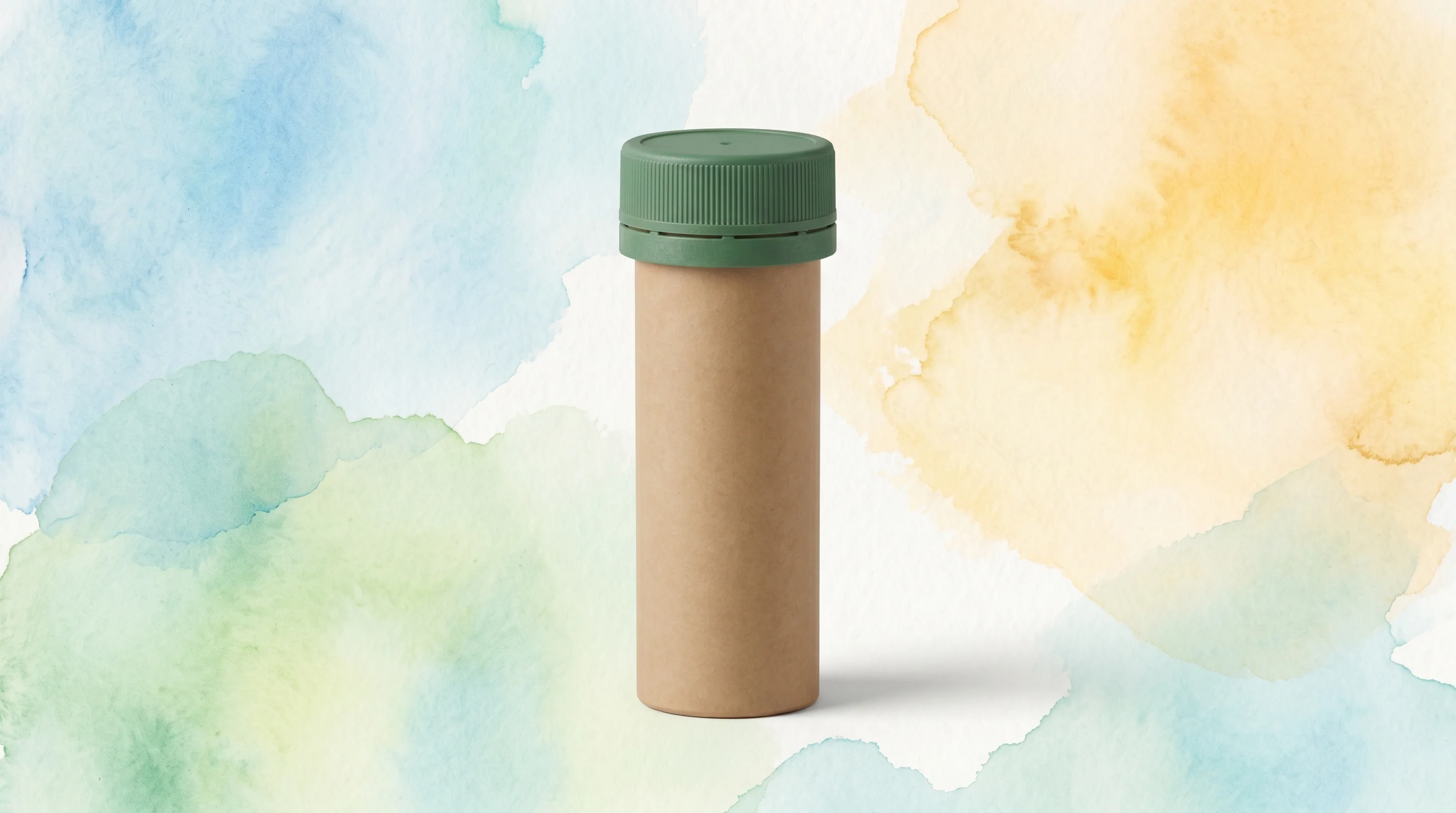
The Tully Tube itself is straightforward: a paper body paired with a child-resistant cap made from post-consumer recycled plastic. The company says the design is compliant with U.S. Pharmacopeia standards for humidity and light resistance and has earned third-party child-resistant certification. The paper portion is curbside recyclable and compostable, though users do need to separate the cap before tossing.
Behind the product are co-founders Melinda Su-En Lee, a pharmacist, and Mallory Barrett, an industrial designer who first began exploring reusable prescription packaging as a student at North Carolina State. Barrett won a Cradle to Cradle design challenge in 2017 for the concept; the two launched Parcel Health in 2020.
The bottles come in four sizes—ranging from 16-20 dram up to 75 dram—and are designed to work with existing pharmacy automation systems, a critical detail for any supplier hoping to break into a market dominated by incumbent vendors. CEO Lee told Packaging Digest in June 2025 that some health system partners are paying "the same price or cheaper" compared to traditional plastic vials, a claim that, if it holds, could prove pivotal in driving broader adoption.
The Recycling Gap
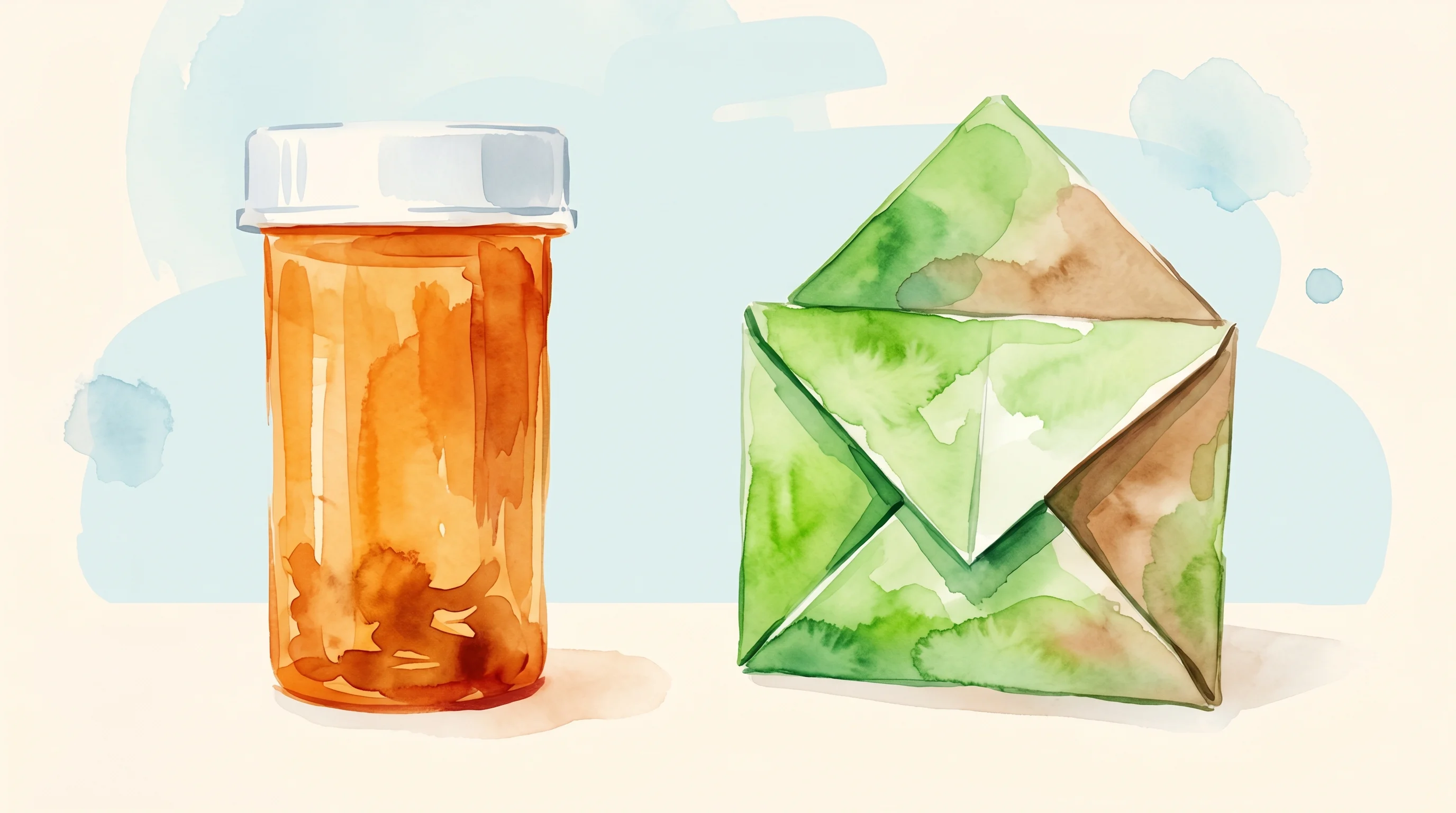
Perhaps the most damning statistic in the company's pitch deck: only 3 to 5 percent of plastic pill bottles get recycled, according to industry data cited by Packaging Digest. Parcel Health estimates its product cuts plastic use by more than half and trims carbon emissions by at least 30 percent compared to standard amber vials.
It's a pitch that has earned the startup a spot on Fast Company's 2025 World Changing Ideas list and an Export Achievement Certificate from the U.S. Department of Commerce.
What Comes Next
With seed funding in hand and a handful of health systems now using or testing the Tully Tube, Parcel Health faces the classic challenge of any hardware startup: scaling production without sacrificing quality or margins. The early pilots suggest there's appetite for alternatives, particularly among institutions feeling pressure—from regulators, from patients, from their own sustainability teams—to rethink single-use plastics.
Whether paper bottles can move beyond the early-adopter phase and into mainstream pharmacy operations is another question entirely. It will hinge not just on the strength of Parcel Health's supply chain, but on the shifting economics of healthcare procurement and the degree to which sustainability mandates translate into actual purchasing decisions.
For now, at least, the company has a foothold. And in a market measured in billions of units annually, even a small slice could add up quickly.


