

The pitch sounds almost medieval: burn iron powder to heat factories, then turn the rust back into fuel. But RIFT, a Netherlands-based startup spun out of Eindhoven University of Technology, just convinced some of Europe's largest institutional investors that the idea is anything but archaic.
On March 3, the company closed €113.8 million in combined financing—an €83.1 million Series B led by Dutch pension investor PGGM, plus a €30.7 million grant from the EU Innovation Fund. The capital will bankroll RIFT's first commercial production facility, slated to start supplying iron fuel to industrial customers in 2029. If the timeline holds, the company expects the plant to deliver roughly 340 gigawatt-hours of carbon-free heat annually. Over 15 years, that translates to more than one million tonnes of avoided CO2 emissions.
It's an ambitious target for a technology most people have never heard of—and one the industrial sector has barely begun to adopt.
The Money
PGGM's involvement signals a certain institutional comfort with what might otherwise seem an eccentric bet. The pension fund led the round with backing from Invest-NL (supported by InvestEU), regional development players Oost NL and BOM, impact investor Rubio Impact Ventures, and Rotterdam's Energietransitiefonds. Invest-NL structured its €19.6 million commitment as a hybrid—part equity, part construction loan—a detail that hints at the financing complexities of bridging hardware from pilot to production scale.
The EU grant came through a competitive gauntlet. RIFT's project was one of just 61 selected from 359 applications in this Innovation Fund call. On March 25, the company formalized the award with a grant agreement for what it's calling "Alpha One," a facility planned for Evonik's Antwerp site in Belgium. The plant is designed to produce 120,000 tonnes of iron fuel per year. RIFT projects it will enable up to 244 gigawatt-hours of annual industrial heat and sidestep roughly 681,895 tonnes of CO2 over its first decade.
Those are precise numbers for a facility that won't break ground for some time yet—perhaps more confidence than the market has seen justified in early-stage climate tech.
How Iron Burns

The underlying physics are straightforward, if unconventional. RIFT's system combusts iron powder to generate high-temperature heat without releasing carbon directly. Flames reach around 2,000°C, according to Heatmap News—hot enough for the most demanding industrial processes. The byproduct is iron oxide. Rust.
Here's where the loop closes: RIFT reduces that oxidized powder back into metallic iron using low-carbon hydrogen. The result is a closed cycle that sidesteps two of decarbonization's thorniest constraints—insufficient grid capacity for full electrification and the glaring absence of hydrogen infrastructure in most industrial corridors.
The company, founded in 2020, now employs approximately 75 people. Its target customers are industries stuck between a rock and regulatory pressure: food processing, chemicals, building materials. Sectors that need high-temperature, baseload heat and have few viable pathways away from fossil fuels.
First Customer, First Test
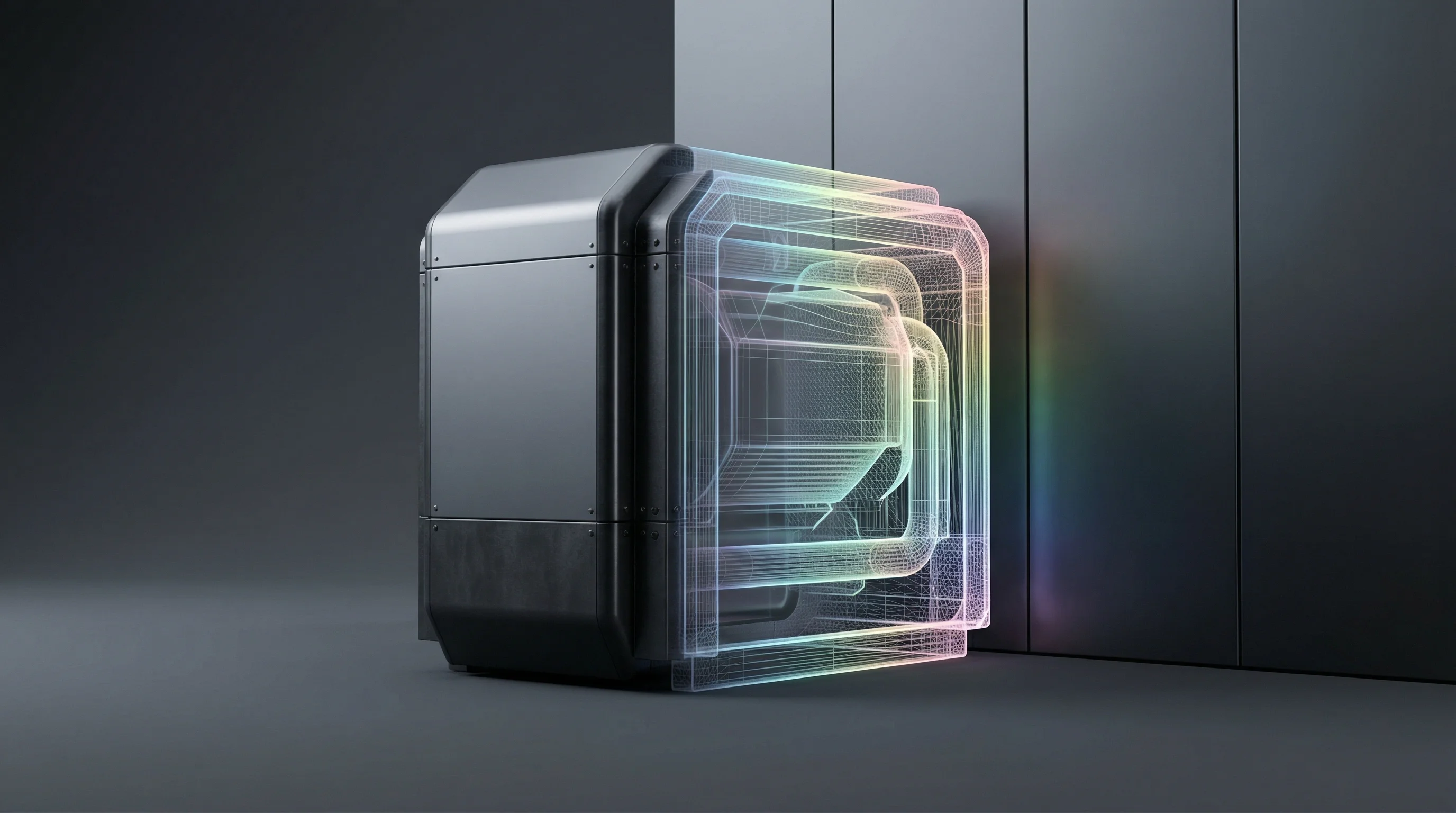
RIFT announced its inaugural commercial contract on June 14, 2025, with Kingspan Unidek, a building materials manufacturer in Gemert. The deal covers both hardware—an iron fuel boiler—and long-term fuel supply. Kingspan projects up to an 80% reduction in natural gas consumption when the system becomes operational, tentatively in 2028.
That's still a year ahead of the Alpha One facility's scheduled production start, a timing mismatch the company hasn't fully explained publicly. It's likely betting on existing pilot-scale fuel output or third-party sources to honor the Kingspan timeline.
Before this latest raise, RIFT pulled in €11 million in a Series A last October—also led by PGGM—to fund 2-gigawatt-hour durability trials at pilot sites. Earlier still, a €2 million seed round in 2022 from Rubio, BOM, and ETFR supported demonstration projects with district heating operator Ennatuurlijk in Helmond and regeneration testing at Connectr Lab in Arnhem.
PGGM characterized the new capital as bridging the "demonstration-to-realization gap," the awkward middle phase where engineering, procurement, and final investment decisions unfold. If RIFT hits its 2029 target, it will have traveled from university research to commercial-scale deployment in under a decade.
That's compressed, even by the accelerated standards of European climate infrastructure.
Whether iron powder can scale beyond niche industrial applications remains an open question. But the size of this financing round—and the roster of backers—suggests at least some belief that the answer might be yes.


