

YiLab pivots from selling jackets to supplying fabrics—wagering that brands will embrace materials born in an academic lab
Stanford professor Yi Cui has spent years coaxing nanoporous polyethylene and metallic films to regulate human body temperature. Now comes the harder part: convincing Patagonia, Arc'teryx, and their ilk to actually use the stuff.
YiLab Temperature Control Technologies—the commercial arm of Cui's research—closed an oversubscribed pre-A funding round on September 4, pushing total capital raised past $10 million. The company declined to disclose the round's size or name investors, a decision that suggests either strategic sensitivity or a figure modest enough to avoid fanfare. Either way, the money arrives at a pivotal moment.
After dabbling in direct-to-consumer sales (remember the "MegaWarm" jacket from 2021?), YiLab is pivoting hard toward B2B. It wants to be the Intel Inside of outdoor apparel—supplying the guts while brands handle design, marketing, and retail headaches.
The Science, Briefly
The underlying technology isn't vaporware. Cui's Stanford lab published breakthrough work in Science and Science Advances between 2016 and 2017, demonstrating textiles that could transmit mid-infrared body heat for passive cooling or, conversely, trap warmth using nano-metallic reflective layers. The materials operate across a startling temperature range: -65°C to +45°C, according to company claims.
Two products emerged: WarmLife, a reflective insulation using metallic nanostructures, and CoolLife, an infrared-transparent polyethylene fabric. Together, they form a climate-control system that, in theory, adapts to both arctic expeditions and desert hikes.
The question has never been can it work in a lab? Academic journals answered that. The question is whether it survives the brutal economics and design constraints of mass-market apparel.
Manufacturing Gets Real

YiLab is now betting on scale. The new capital will fund an R&D lab and factory somewhere in Asia—exact location undisclosed—for rapid prototyping and production expansion. More concretely, the company announced a manufacturing partnership in late October with Kingwhale, a Taipei-based performance textile supplier that already serves outdoor and lifestyle brands.
CEO Sophia Ou, who took the helm in 2022 after a stint by former North Face innovation lead Scott Mellin, characterized the Kingwhale deal as essential. "We're positioning ourselves to supply major outdoor brands rather than compete with them at retail," she said, a tactful way of acknowledging that DTC is a grind.
The pivot makes sense. Building a consumer brand requires capital, patience, and luck—three things startups often run short on. Becoming a component supplier means shorter sales cycles and contracts with established players who already know how to move product.
Validation, With Caveats
Industry nods have trickled in. In December 2024, YiLab's WarmLife Merino Wool Insulated Fill won ISPO TEXTRENDS' Best Product award for Fall/Winter 2026-2027. Seven of the company's materials earned recognition, a decent haul at an event where hundreds of textiles compete for attention. Last October, YiLab hired CGPR as its U.S. agency of record to court domestic brand partnerships—a sign it's serious about corporate sales but also an admission that technical credentials alone won't seal deals.
The company previously raised a $6 million Series Seed 3 round in April 2022, led by Asia Green Fund, bringing total funding to $13.8 million at that time. The current "$10 million-plus" figure suggests either modest additional capital between rounds or some accounting adjustments under the YiLab corporate structure. (The company didn't clarify.)
A Crowded, Skeptical Market
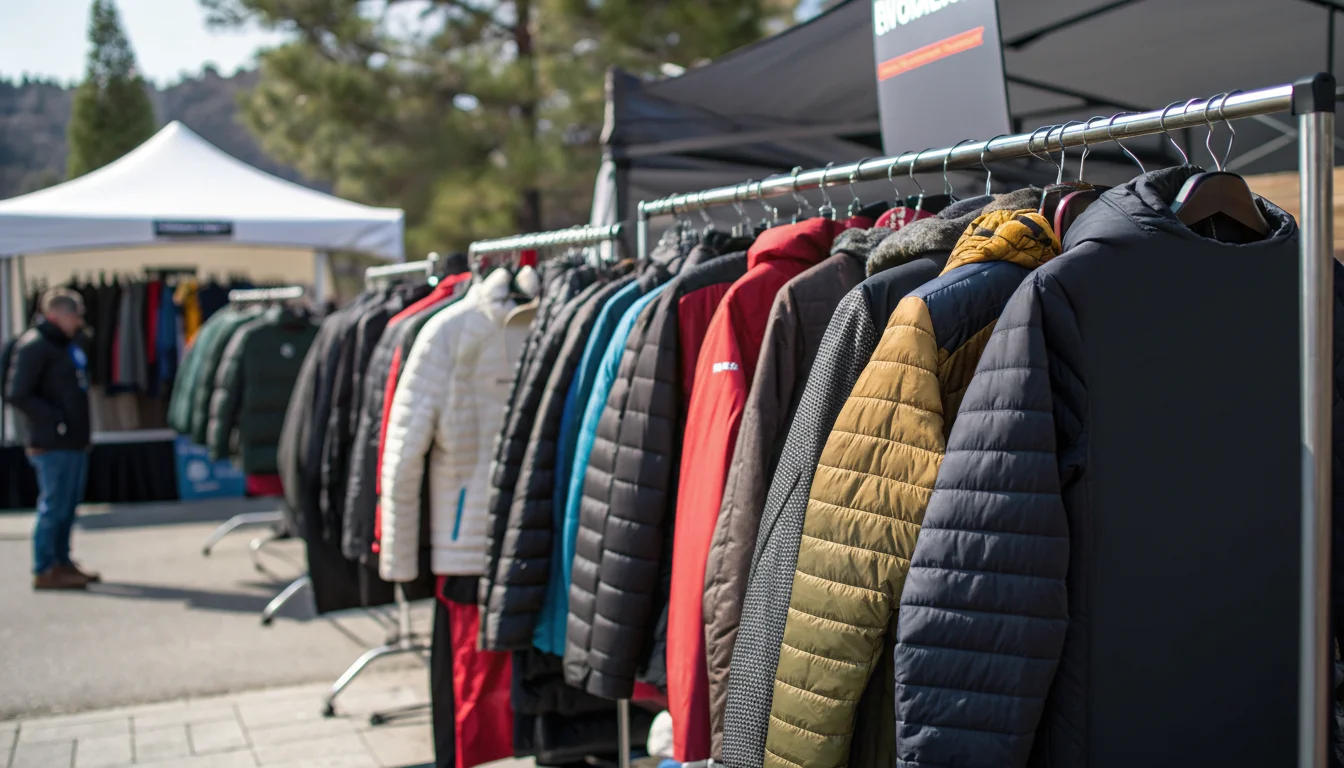
Here's the thing: outdoor brands already have thermal management solutions. Columbia Sportswear's Omni-Heat reflective lining is everywhere. Outlast Technologies sells phase-change materials that absorb and release heat. PrimaLoft, Thinsulate, and synthetic down variants dominate insulation.
Breaking into that ecosystem requires more than lab pedigree. Brands need proof the material won't fail after 50 washes, that it integrates cleanly into existing manufacturing workflows, and that consumers—who mostly care about price, weight, and whether the jacket looks good—will actually notice the difference.
YiLab's Stanford lineage helps. Cui co-founded the venture alongside Ou; early development involved venture studio EEnotech and CEO Meng Sui, who launched the LifeLabs consumer brand in April 2021. That pedigree opens doors. But outdoor apparel is a conservative industry where performance claims get stress-tested on mountainsides and ski slopes before buyers commit.
What Comes Next

YiLab is aiming for the 2026-2027 retail season, when products using its fabrics could hit shelves under established brand names. The company operates teams across North America, Europe, and China, threading together R&D, production, and sales across time zones.
Whether this lab-to-market model succeeds will hinge on unglamorous factors: production costs at scale, brand adoption rates, and whether WarmLife and CoolLife prove durable enough to survive real-world abuse. Stanford credentials and ISPO awards open conversations. Margins and reliability close deals.
For now, YiLab has runway and manufacturing partnerships. The hard part—convincing brands to bet on a relative unknown—is just beginning.


