

The pitch sounds almost too convenient: precision fermentation at one-third the cost of Western competitors, a modular factory floor already humming with 10,000 liters of capacity, and a founder willing to declare India "the fermentation capital of the world."
That founder is Akshay Mittal, and his Bengaluru-based startup StrainX Bioworks just closed a $13 million Series A funding round—not a staggering sum by Silicon Valley standards, but enough to signal that investors believe in the country's potential to manufacture the proteins, fats, and specialty ingredients that synthetic biology has long promised but rarely delivered profitably.
Prime Venture Partners and Leo Capital co-led the round, announced this spring, with backing from Good Startup's Good Protein Fund (marking the fund's first India investment), Sparrow Capital, Sun Icon Ventures, Dholakia Ventures, and WindT Angels from IIT Delhi. For StrainX, which emerged from stealth mode after two years of quietly building out fermentation capabilities, the capital arrives at a moment when the company claims to be on the verge of its first commercial launch.
Two Years in the Shadows
Mittal and his co-founder, Dr. Alok Malaviya—both IIT Delhi alumni—started StrainX in 2023 with a deliberate choice to stay out of the spotlight. While competitors rushed to announce partnerships or flaunt lab results, the pair focused on assembling a serious technical team: 35 scientists now work at the company, 15 of them holding PhDs, spread across strain engineering, fermentation scale-up, and product development. Total headcount has crossed 100.
The startup operates a split footprint: an R&D lab in Bengaluru and a 10,000-liter commercial fermentation facility in Bhopal. It's an unusual geography for a biotech company, perhaps, but Mittal insists the setup reflects India's manufacturing advantages—lower real estate costs, access to technical talent, and the promise of government support through non-dilutive funding programs.
StrainX has secured self-GRAS (Generally Recognized As Safe) status in the United States for one ingredient, the identity of which remains undisclosed. The company has also submitted a dossier to the FDA. Mittal told trade publication AgFunderNews that the first commercial molecule should reach market "in the next few months," with a second product trailing 12 to 18 months behind.
Right now, the startup is running trials with somewhere between 20 and 25 companies—a range that suggests fluid partnerships—across India and the US. Target applications include chocolate, icing, nutritional products, and alternative proteins, a sprawling set of categories that hints at versatility but also raises questions about focus.
Scaling Up, Indian Style
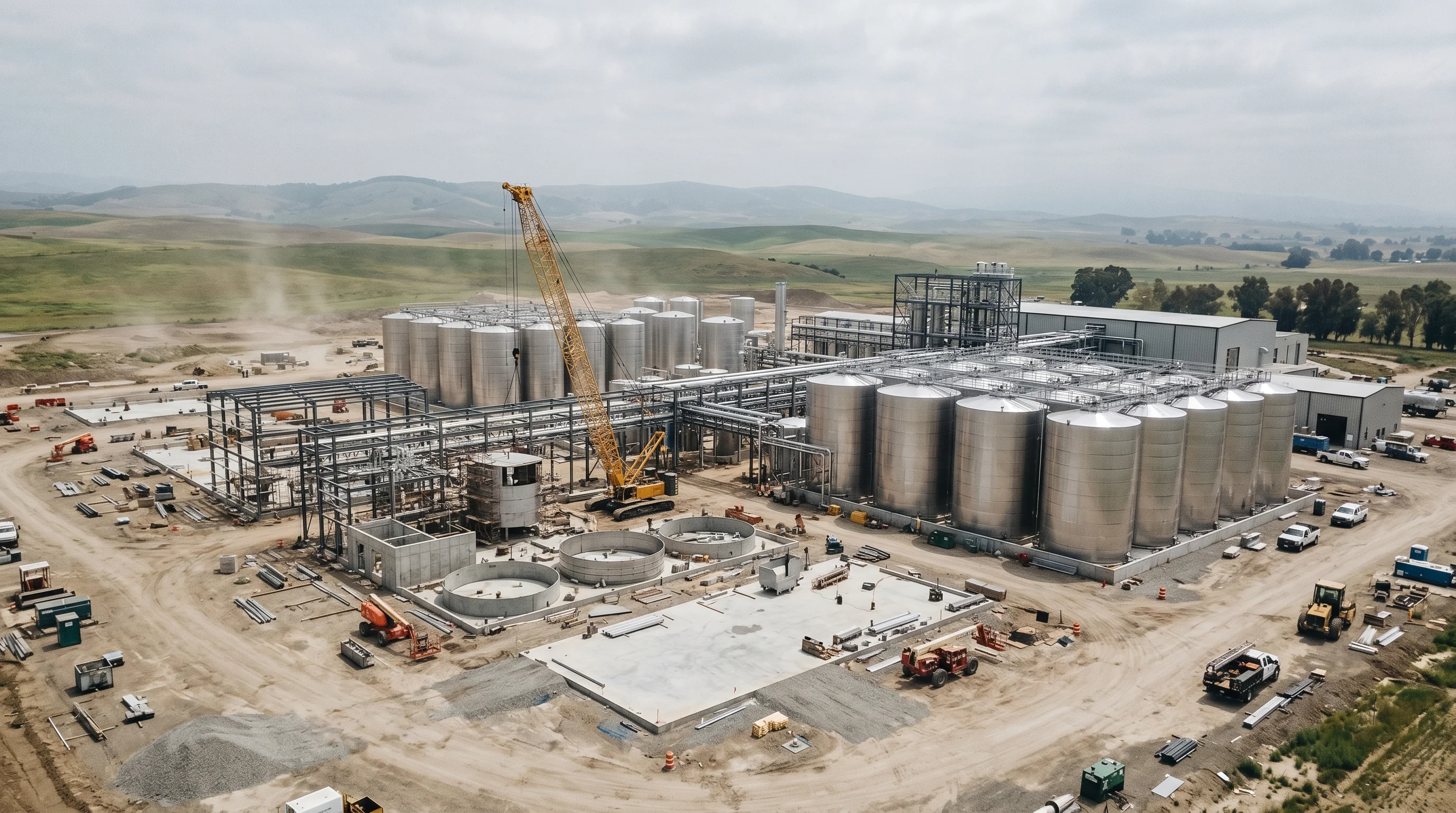
The fresh capital will go toward expanding the Bhopal facility tenfold, from 10,000 liters to 100,000 liters, with completion expected by mid-to-late 2027. The build-out is designed to proceed in modular stages—40,000 liters, then 80,000—and will eventually incorporate downstream processing equipment: centrifugation, multiple filtration systems, ion exchange, spray drying. All the apparatus required to turn fermentation broth into a stable, food-grade ingredient.
"India is going to be the fermentation capital of the world," Mittal said, a bold claim in an industry where Denmark, the Netherlands, and pockets of the United States have long dominated. His logic centers on cost: manufacturing setup and operating expenses in India run one-third to one-quarter of European or American equivalents, he argues, and the government is eager to fund projects that promise to localize food technology supply chains.
Whether that thesis holds—whether Indian infrastructure, regulatory frameworks, and logistics networks can support a true fermentation manufacturing hub—remains to be seen. But investors appear willing to take the bet.
Brij Bhushan, Managing Partner at Prime Venture Partners, praised StrainX for combining "serious science and sharp business execution," though he declined to share valuation details. Leo Capital's portfolio indicates the firm has backed StrainX since 2024 at the seed stage, suggesting a prior funding relationship before this larger institutional round.
StrainX plans to double its headcount by fiscal year-end and expand the Bengaluru R&D footprint. Mittal has said the company is in discussions with 20 to 30 global food and beverage companies and large distribution players—another wide range that could indicate early-stage conversations or genuine momentum.
For now, the startup remains in that precarious zone where stealth mode has ended but commercial validation has not yet arrived. The next few months—if the first ingredient does in fact reach market—will clarify whether India's fermentation ambitions are grounded in real manufacturing advantages or optimistic projections.


